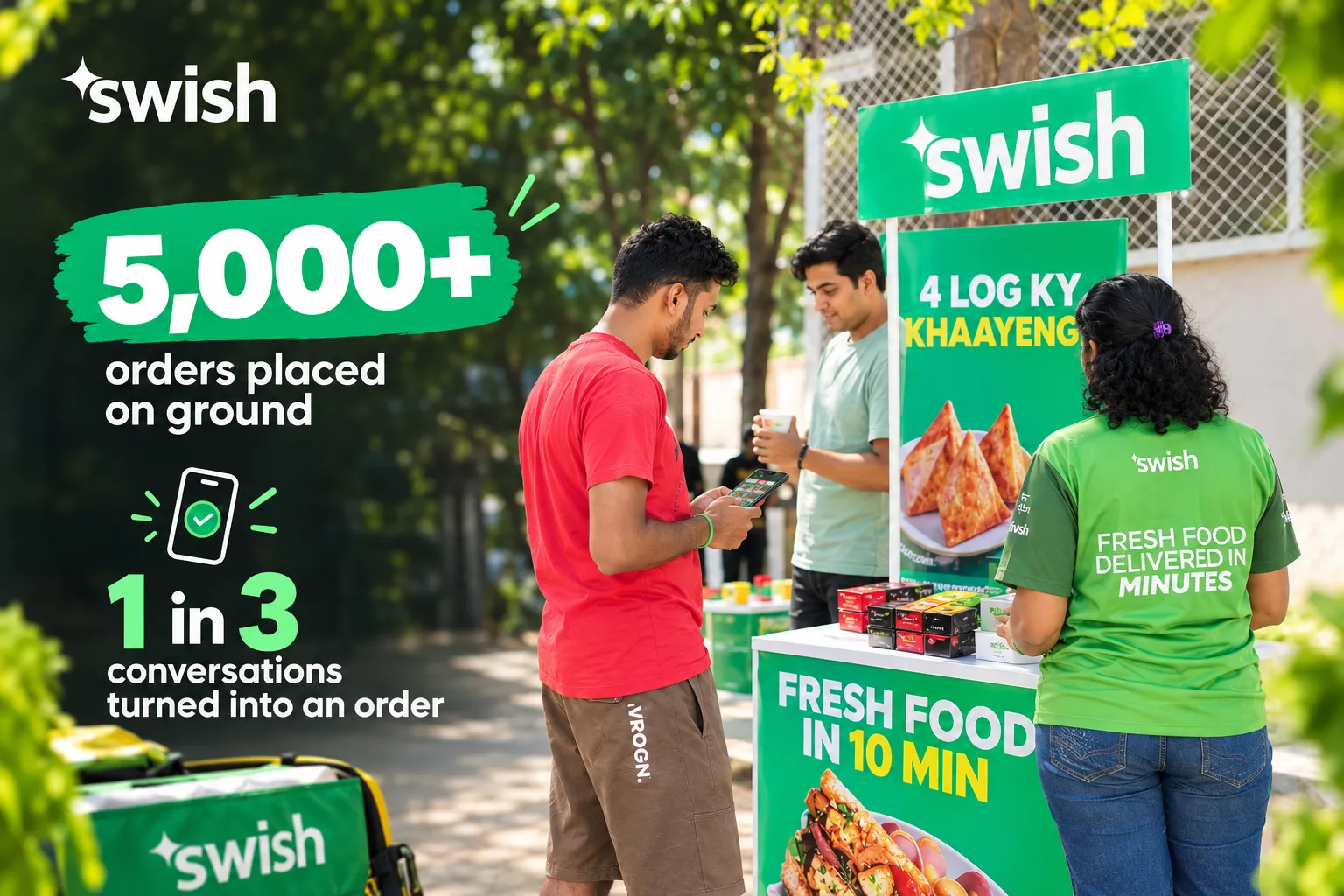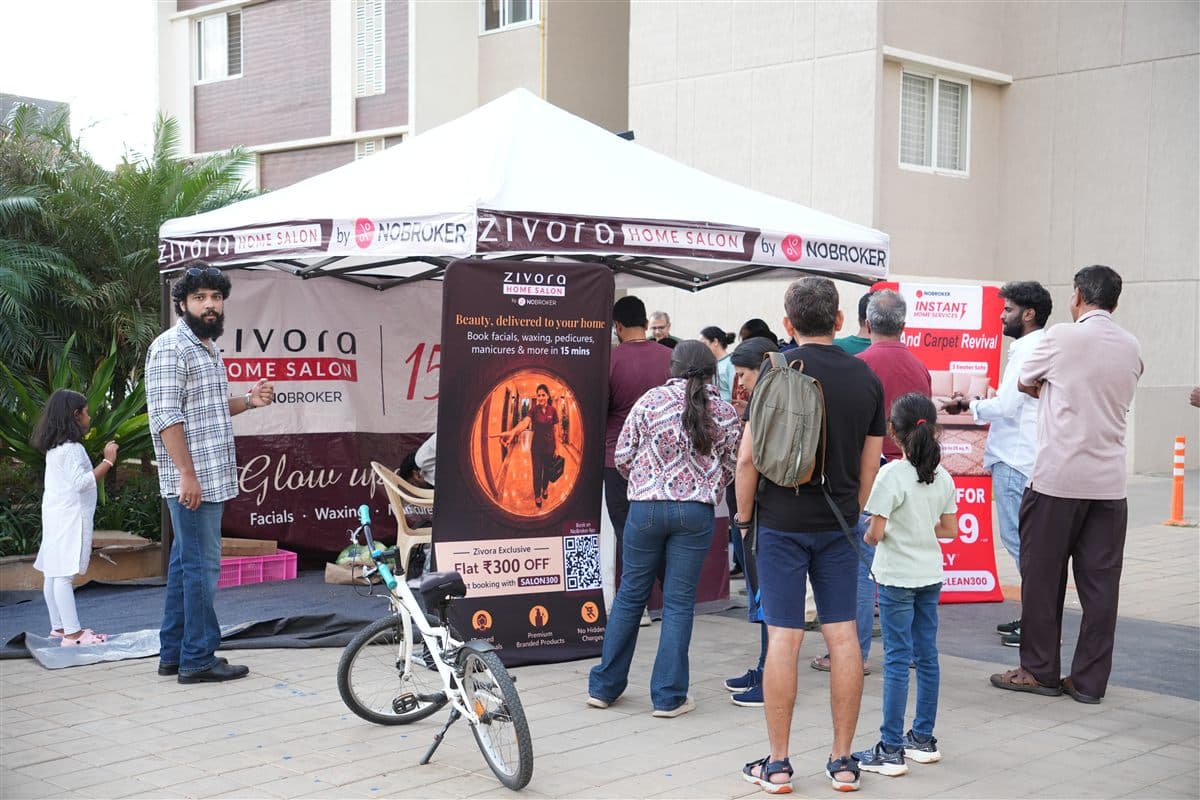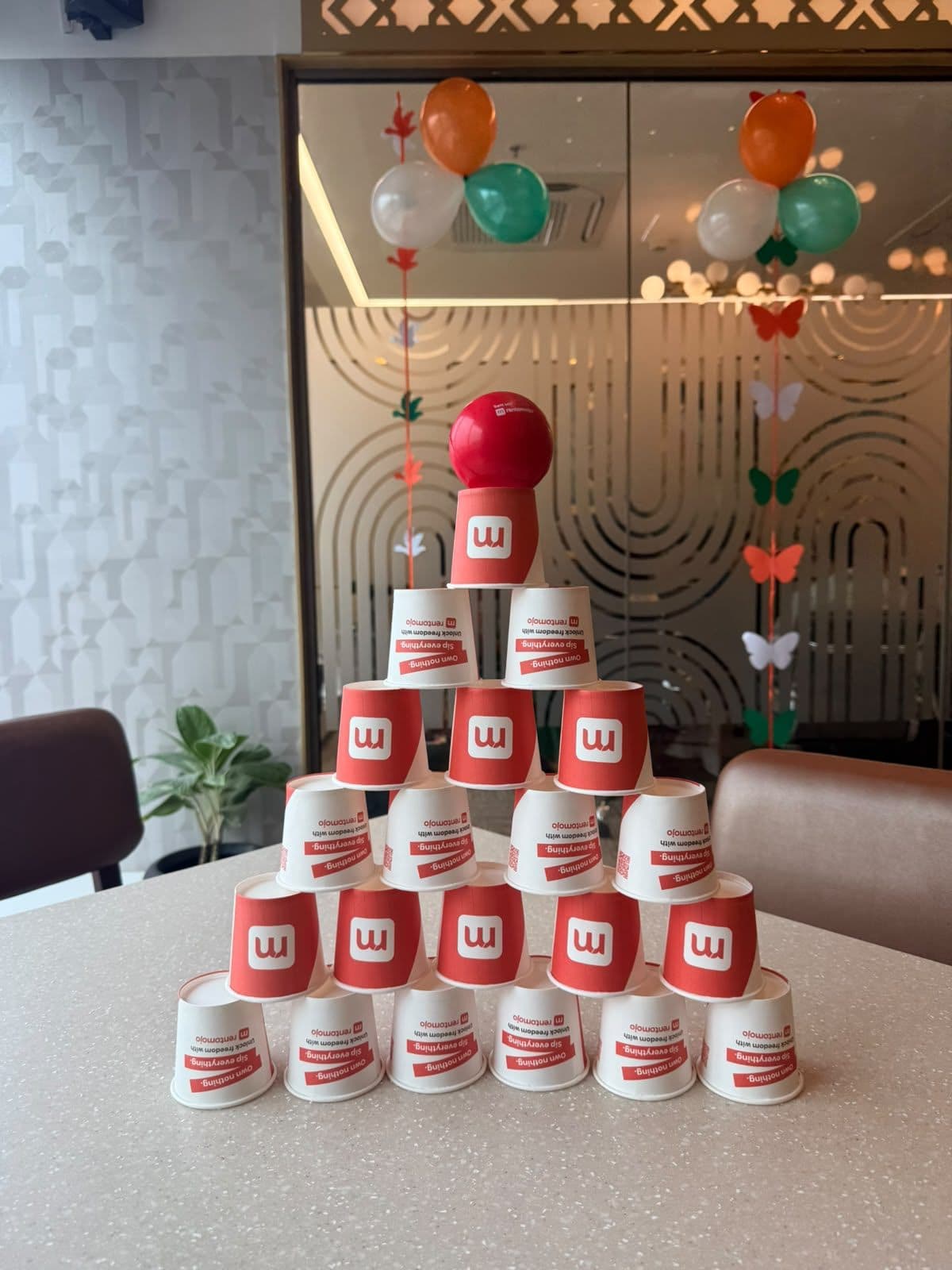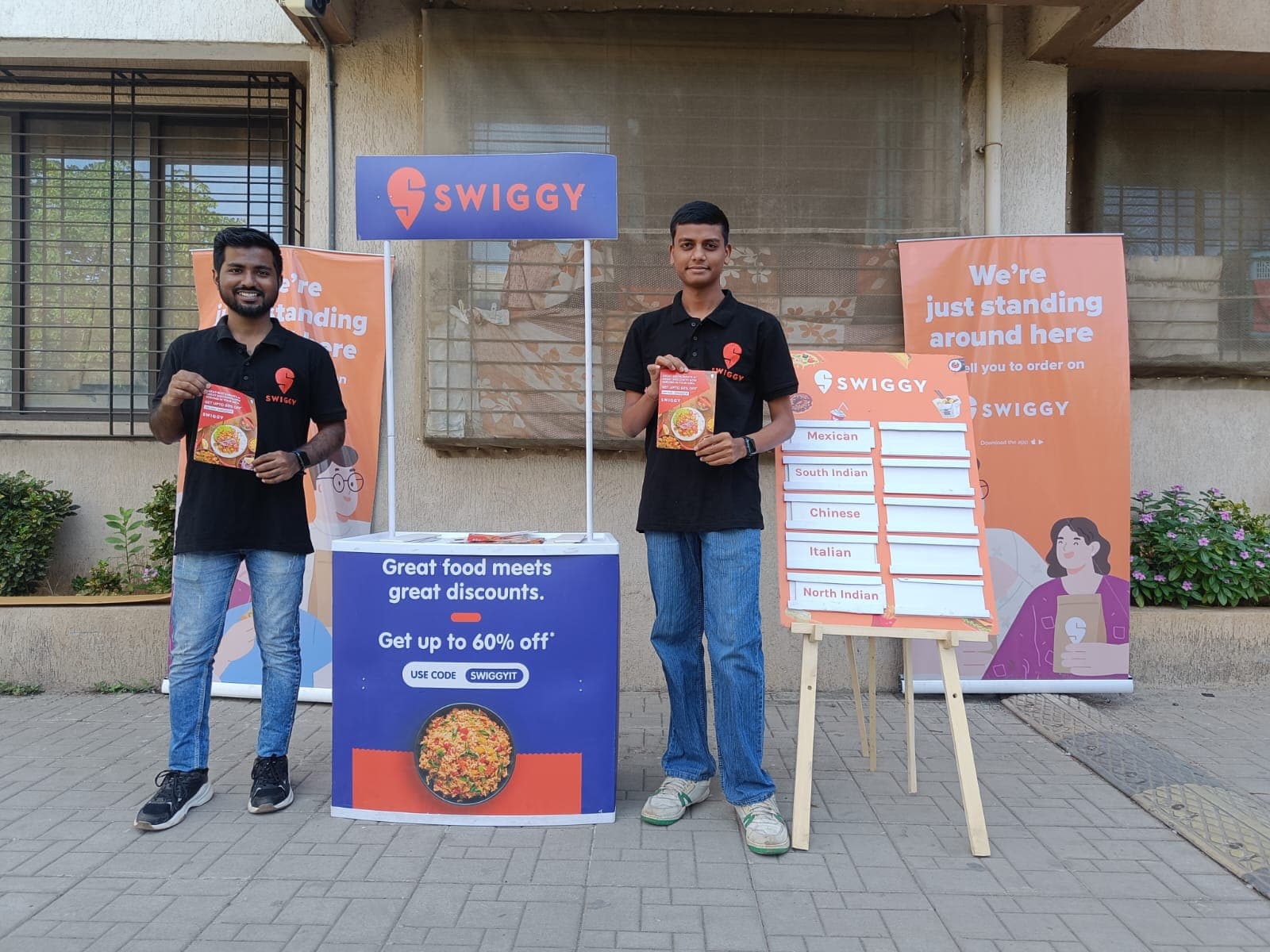
In Tier 1 cities, quick commerce isn't just about being fast. It's about being first in the mind (and the stomach). CupShup, a leading experiential marketing agency, helped Swiggy Instamart crack the hyperlocal playbook through strategic brand activation and performance marketing, engaging 1.8 lakh+ users, generating 50,000+ craving stories, and achieving a 33% lift in brand warmth with a 24% increase in repeat orders.
Executive Summary
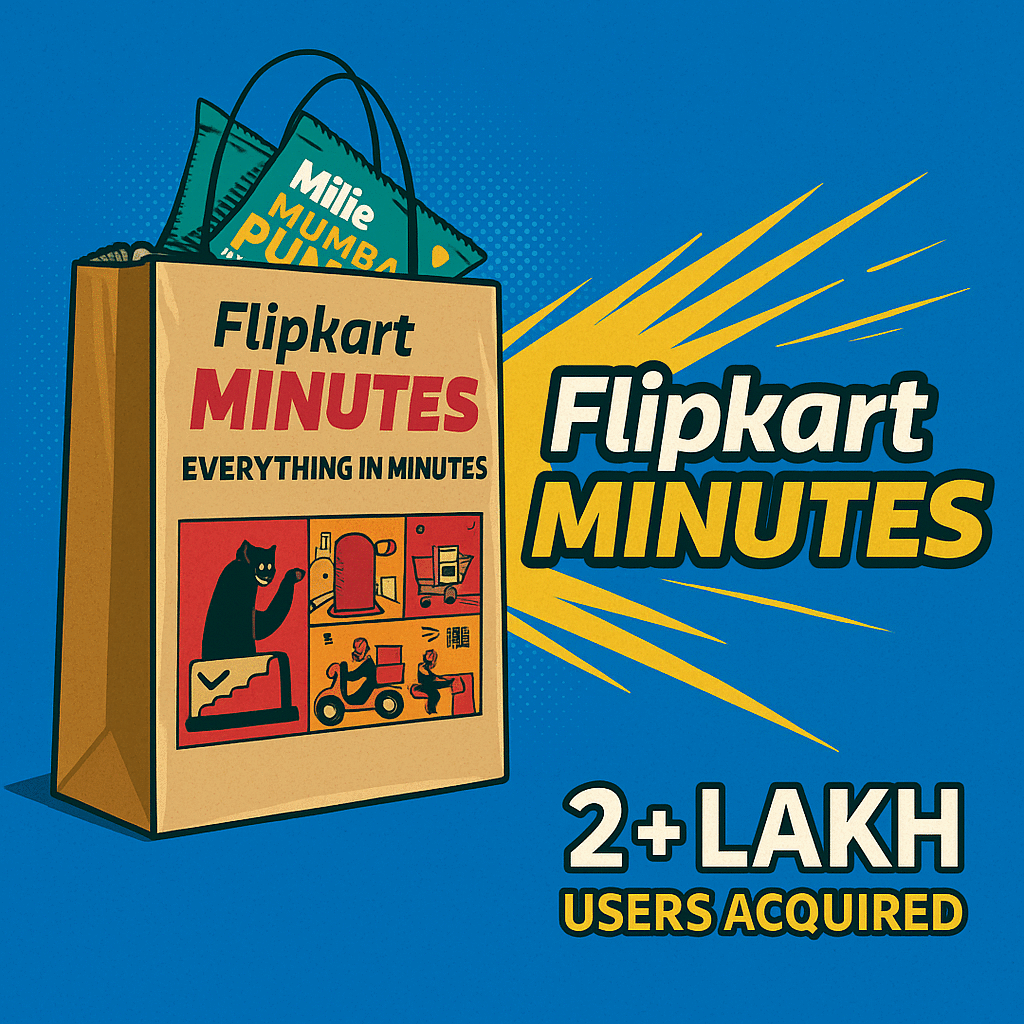
This case study demonstrates how integrated hyperlocal brand activation and a data-led performance marketing overlay can industrialise first-order acquisition and second-order habit formation in India's quick-commerce category. Our BTL playbook for Swiggy Quick Commerce mapped dark-store polygons to high-frequency eating windows, used QR-linked sampling to compress install-to-order lag, and amplified every on-ground moment through UGC and CRM - the same operating model we later extended for peers like Flipkart Minutes.
Campaign Overview
Client: Swiggy Quick Commerce (Instamart) Campaign: Hyperlocal Brand Activation & Experiential Marketing Duration: Multi-month campaign across Tier 1 cities Key Results: 1.8 lakh+ users engaged, 50,000+ craving stories, 40,000+ samples delivered, 21,000+ UGC posts, 33% brand warmth lift, 24% repeat order increase
Category Context: India's Quick-Commerce Moment (2022–26)
Quick commerce - the 10-to-20-minute delivery format - moved from novelty to norm in urban India between 2022 and 2026. Swiggy's Instamart, Zepto and Blinkit compressed the "need it now" basket (groceries, snacks, impulse SKUs, late-night essentials, personal care, chilled beverages) into sub-20-minute service-level promises, supported by a rapidly densifying dark-store footprint in every Tier-1 metro and in emerging Tier-2 hubs.
Three structural forces shaped the category during our engagement:
- Dark-store density as moat. Polygons of 1.5–3 km around each dark store defined who a brand could serve. Unit economics turned on order velocity inside that polygon, not city-wide awareness.
- Unit-economics pressure. Average order values, take-rates and delivery subsidies came under scrutiny as investors pushed the trifecta toward path-to-profitability. That made first-to-repeat conversion the most valuable KPI in the funnel.
- Swiggy's parent-brand equity. Swiggy already owned the food-delivery mental model. Instamart had to borrow trust from the parent brand while teaching users a new behaviour - groceries and impulse SKUs in minutes, not meals in half an hour.
This is where on-ground hyperlocal activation became a category-defining lever, not a supporting one.
The Challenge: More Than Just Deliveries
Even with parent-brand recognition, Swiggy Instamart faced three hyperlocal problems that no amount of digital spend could solve alone:
- Habit formation. Users had to re-learn Swiggy as a grocery and impulse destination, not just a food-delivery app - a harder shift than first installs.
- Category education. The set of "orderable in 10 minutes" SKUs kept expanding. People needed to be shown that diapers, deodorant, chilled Coke and weekend snacks all lived inside the same basket.
- First-order velocity. Inside each dark-store polygon, the first order had to happen fast enough to convert a curious install into a weekly user before the competitor's promo landed.
So the mission was clear: engage people where they live and work, make them feel something, and turn hunger pangs into brand love through strategic experiential marketing and performance-led amplification - the same habit-forming, cohort-first approach we later applied for Flipkart Minutes.
CupShup's Strategic Approach: From Screens to Streets
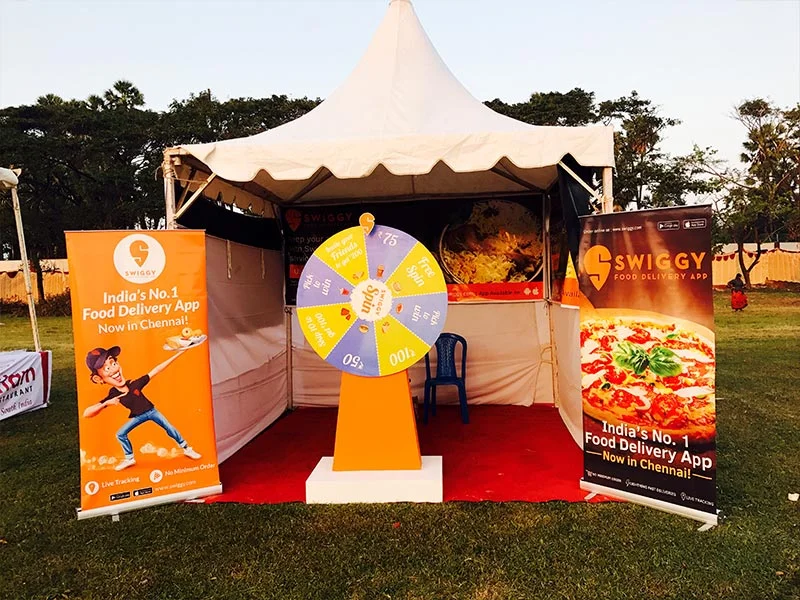
Our approach was layered. Don't just hand out food - build an engagement funnel that takes people from "I'll try it" to "I'll order again". The framework had five parts, each tuned to the economics of a 1.5–3 km dark-store polygon rather than city-wide reach.
1. Own the Right Moments
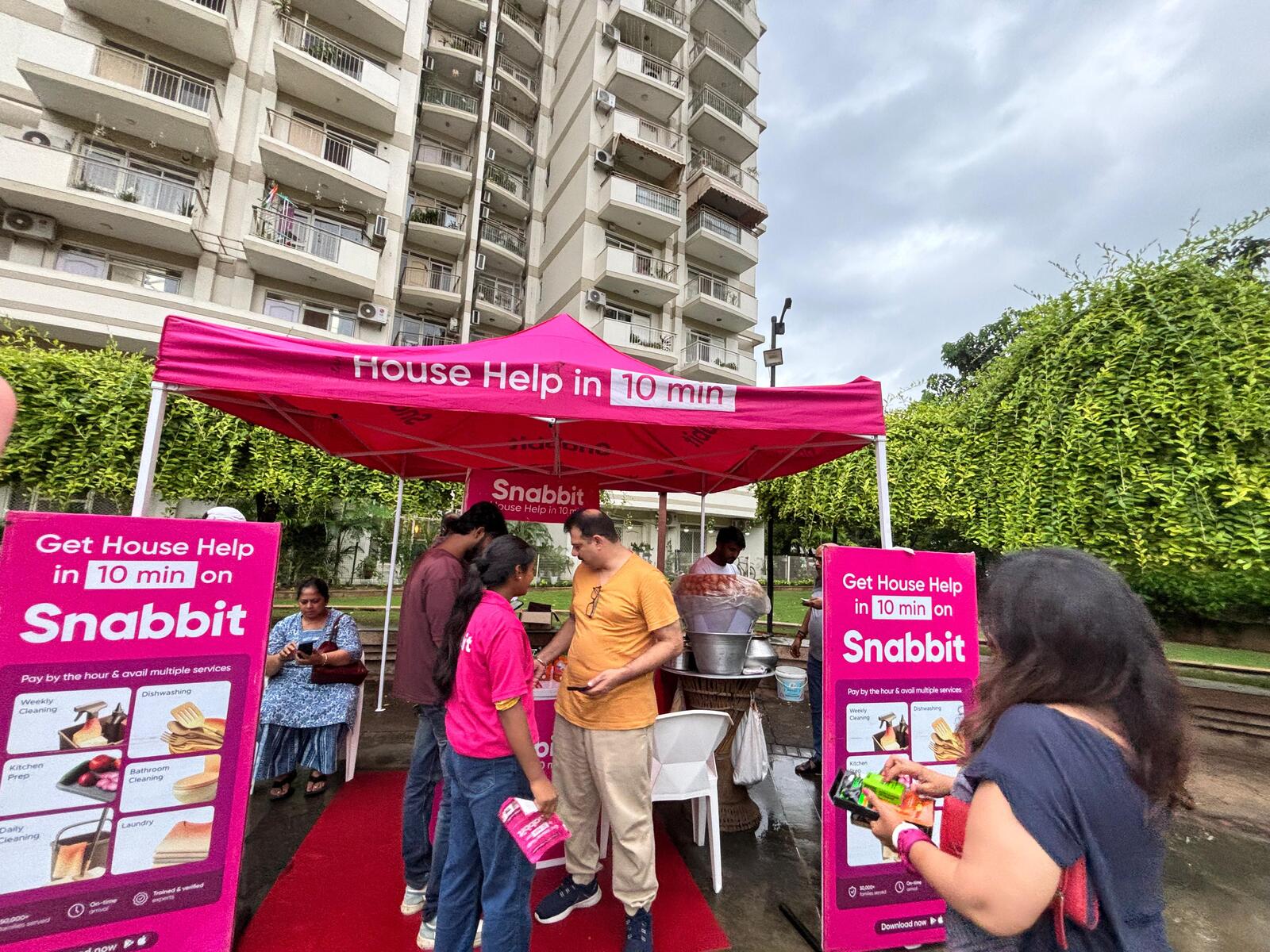
We activated tech parks and RWAs at times hunger hits hardest: post-lunch slumps, 6 pm snack cravings, late-night work sessions.
Pro tip: Time activations with eating cycles. A free snack at 12 pm is a trial. The same snack at 3 pm? Forgotten calories.
2. Sampling That Converts
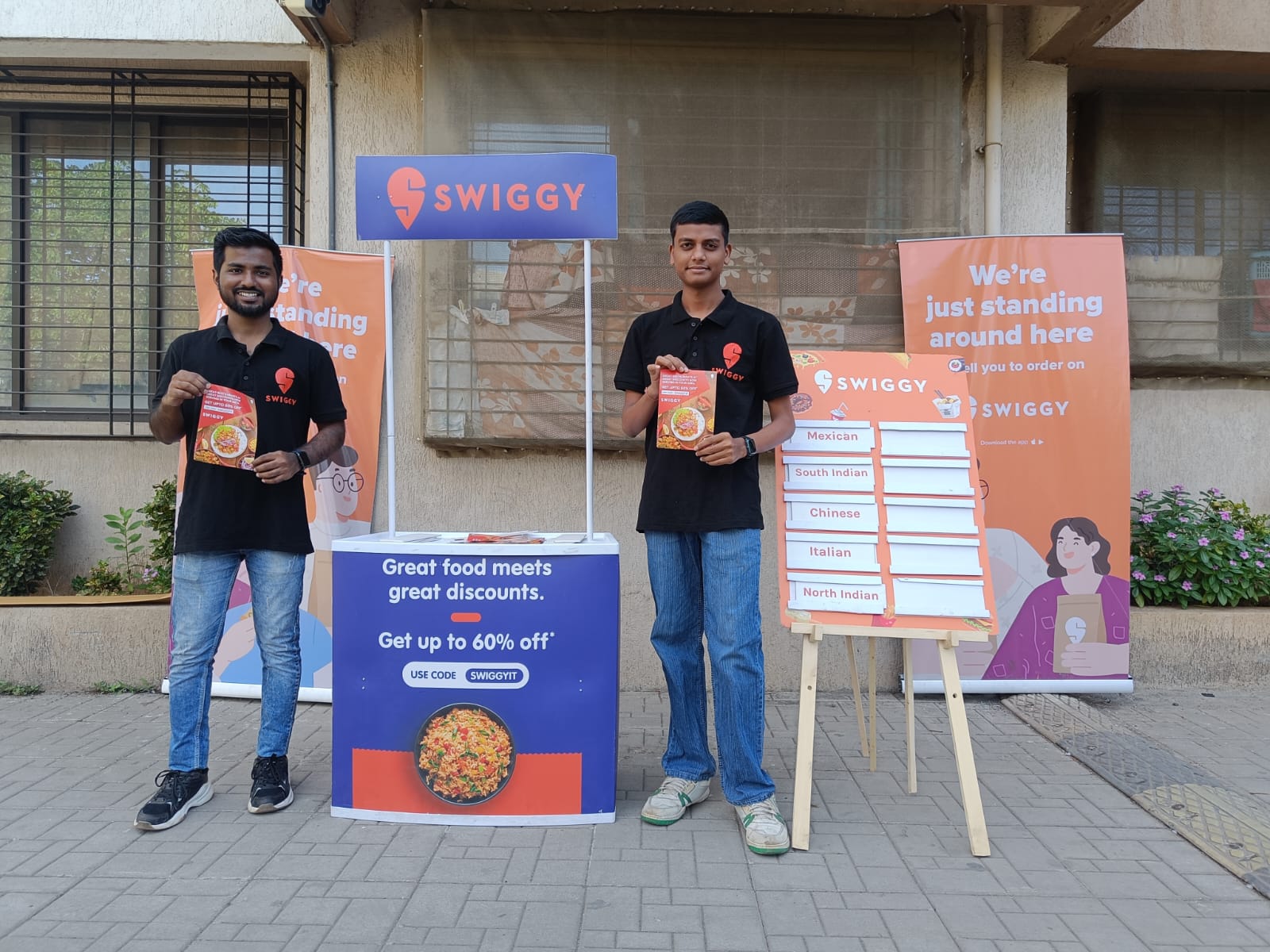
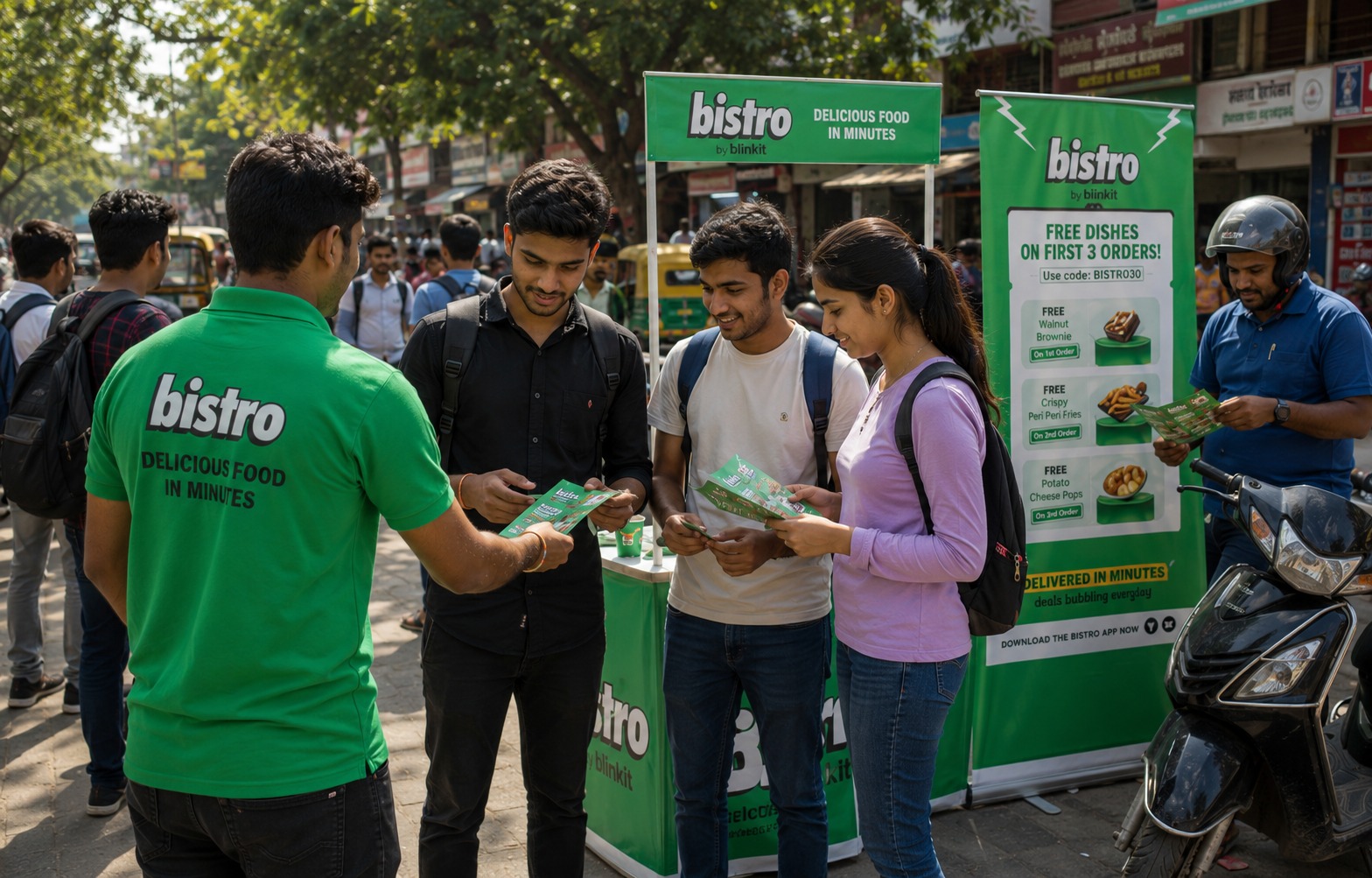
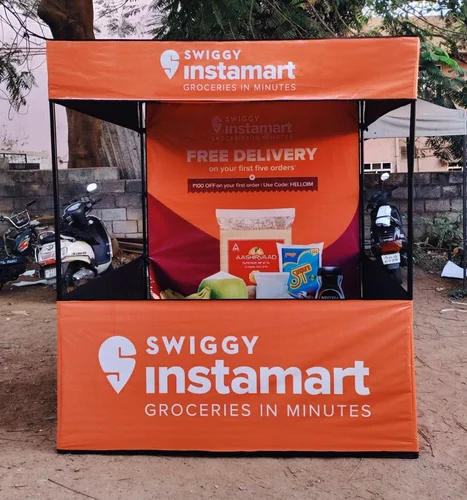
40,000+ samples weren't freebies. Each one carried a QR code that nudged users to order instantly - an instrumented handshake between brand activation and performance marketing so every on-ground touch became a trackable install or first-order event.
Pro tip: Sampling without a digital call-to-action is like giving fries without ketchup. The hook makes people stay.
3. Branding That Sticks (Literally)
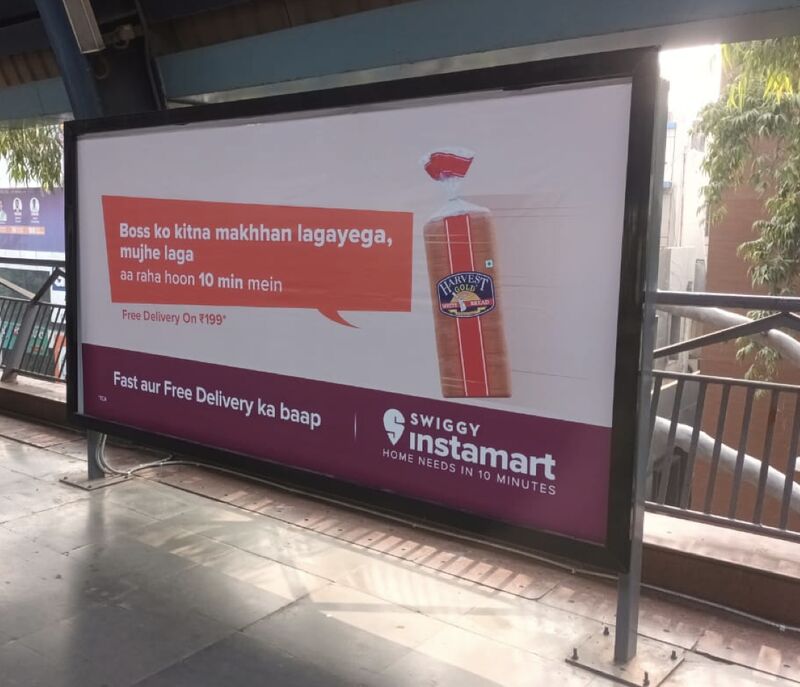
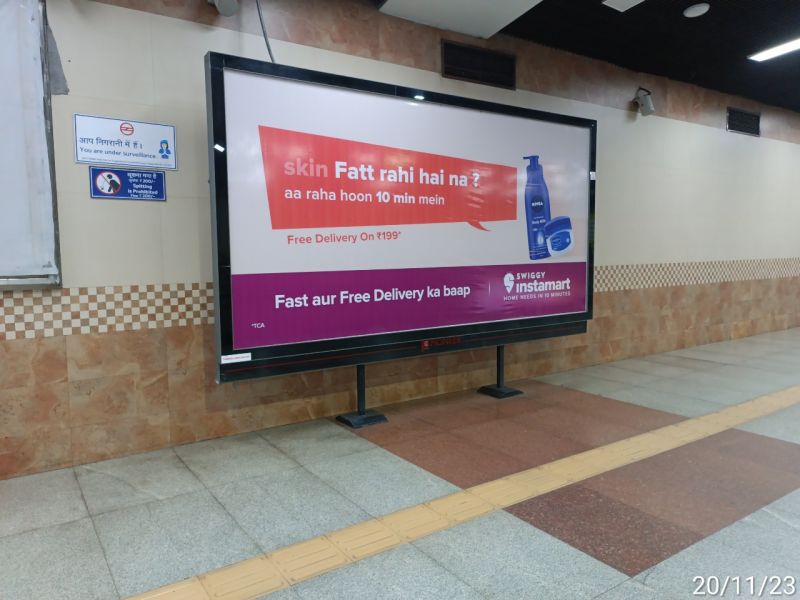
From lift posters to gate branding, we made Swiggy visible at decision-making spots - the ORVM layer (outdoor-retail-visual-merchandising) that most q-commerce players underspend on.
Insider hack: Instead of spreading branding thin across a city, flood fewer zones. People remember what they see five times a day, not once a week.
4. Gamification = Dwell Time
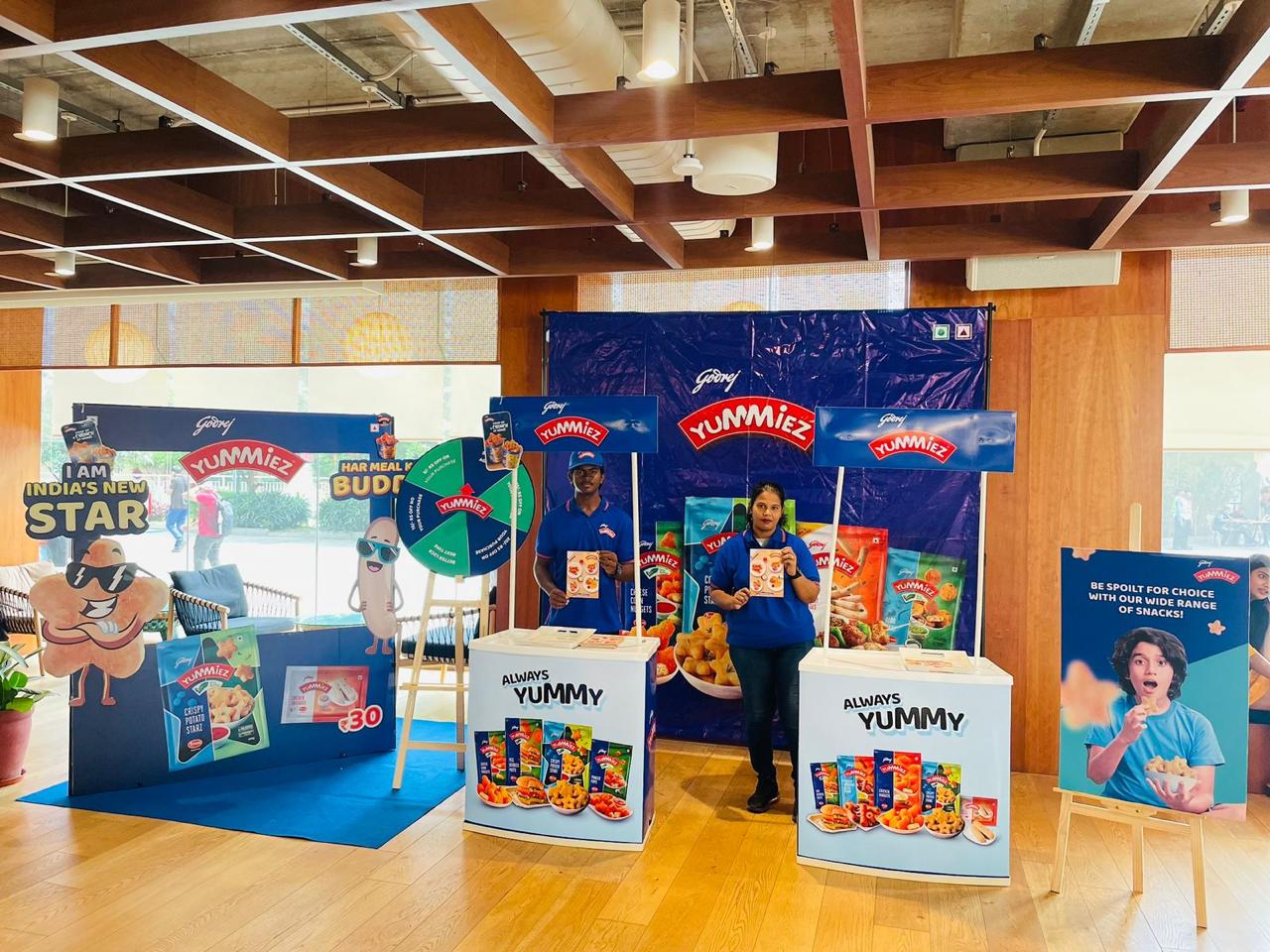
Our Spin the Wheel activity didn't just look fun - it gave promoters more face-time with users. More time meant more installs and conversions.
Pro tip: Always reward on the spot. Instant wins work. Future promises don't.
5. Graffiti Walls That Get Posted, Not Scrolled
We designed graffiti walls for Instagram first, eyeballs second. Quirky hashtags, neon accents, witty slogans - that's how we got 21,000+ #SwiggyFeels posts.
Execution Detail: Dark-Store Polygons, Not Cities
A city-wide plan would have burned budget on catchments Swiggy couldn't serve in 10 minutes. So the operating unit was the dark-store polygon, not the city. The execution playbook:
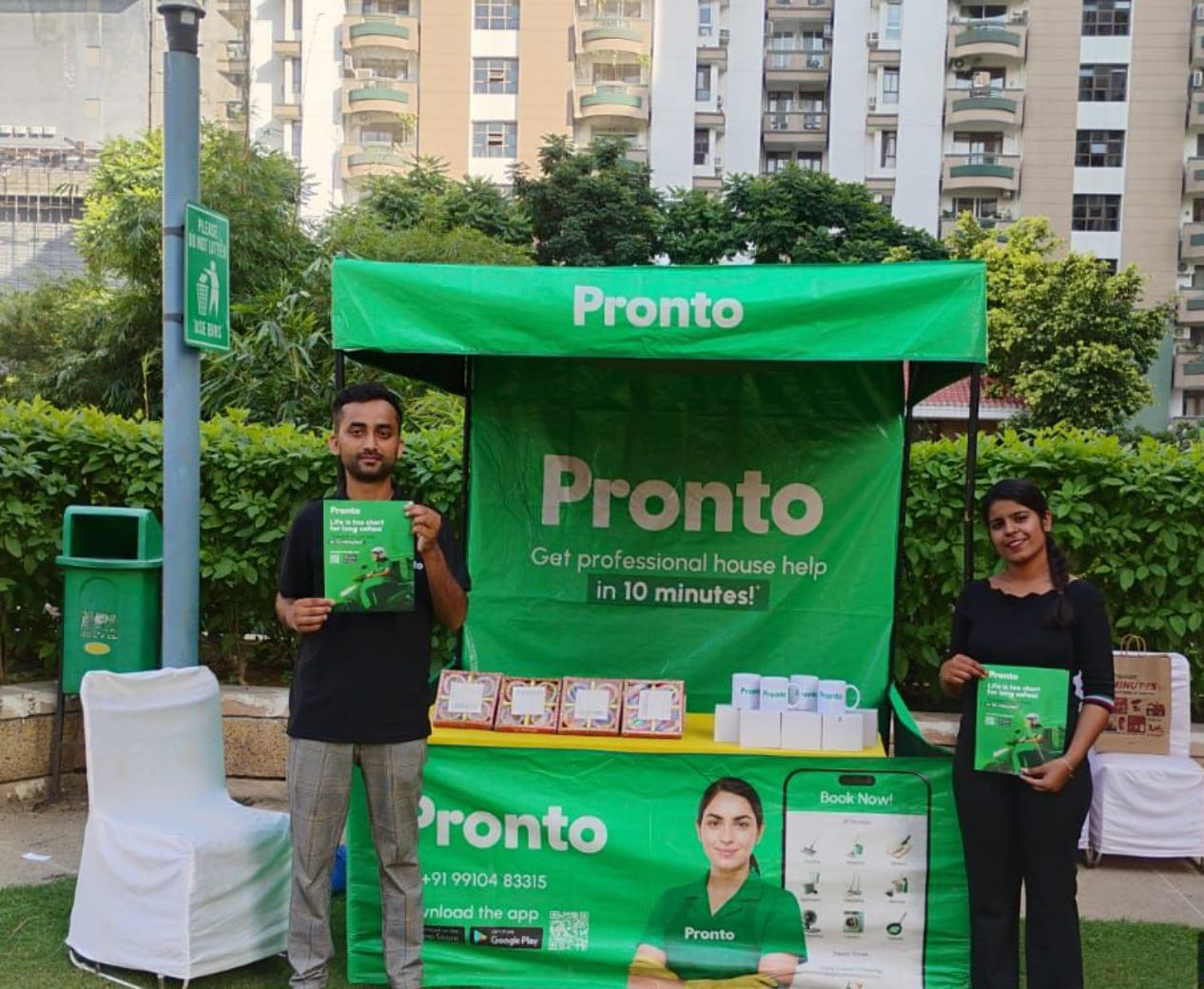
Polygon mapping. We overlaid dark-store catchments on society-gate, tech-park and retail-adjacent footfall density. Each polygon received a tailored activation mix - society-gate sampling where dwell time favoured family SKUs; tech-park takeovers where 6 pm cravings mapped to impulse baskets; retail-adjacent intercept where the shopper was already in a "buying now" state.
Promoter cohort design. Promoters were trained not just for app-install but for first-order closure - walking a user through search, cart and checkout on their own device, with a live QR that attributed every install back to the polygon. Certified promoter scripts varied by SKU category: groceries for homemakers, snacks and chilled beverages for tech-park cohorts, personal-care and impulse for weekend mall adjacencies.
Geo-fenced digital mirror. Every physical polygon had a performance marketing overlay - geo-fenced Meta and Google campaigns firing the same creative language during activation windows, so the on-ground moment and the ad people saw that evening reinforced each other.
First-order threshold economics. We priced the first-order incentive by polygon elasticity, not flat national offers - higher subsidy in low-velocity catchments, thinner subsidy where parent-brand equity already carried the first order.
Weekday vs weekend cohort planning. Weekday activations leaned into essentials and impulse (snacks, beverages, quick ingredients). Weekend activations leaned into planned households and party moments (bulk groceries, personal care, late-night baskets). That split was visible in both the activation calendar and the SEO content marketing layer feeding the wider Swiggy brand surround.
Competitive-whitespace targeting. We deliberately over-indexed on areas where Blinkit and Zepto were underserving - emerging societies at the edge of dark-store coverage, newer tech parks without entrenched loyalty, and mixed-use zones where incumbents were still proving service levels.
This operating model connects naturally with CupShup's city-specific brand-activation capacity in Bangalore, Mumbai, Delhi, Hyderabad and Pune, where local polygons, promoter pools and compliance rails are already stood up.
From On-Ground to Online: The Amplification Engine
Activations are expensive if they die on-ground. We stretched every rupee by turning moments into movements through offline-online amplification:
- UGC amplification: Every post extended our reach far beyond the activation zone.
- CRM content series: "You Craved, We Delivered" recap campaigns made users feel like they were part of a craving community.
- Sentiment analytics: Beyond installs, we tracked how people felt about Swiggy - the fuel for loyalty and a leading indicator of repeat-order growth.
The Results: Numbers You Can Bite Into
| Metric | Result |
|---|---|
| Total Users Engaged | 1.8 lakh+ across offline, digital, and UGC |
| Craving Stories Captured | 50,000+ authentic consumer moments |
| Samples Delivered | 40,000+ with QR code integration |
| UGC Submissions | 21,000+ under #SwiggyFeels hashtag |
| Brand Warmth Lift | 33% increase in positive sentiment |
| Repeat Orders Growth | 24% increase in customer retention |
Cohort-Level Colour
Headline numbers only tell half the story. A few patterns stood out across the cohort data:
- First-to-repeat window. The majority of first-order users who later became weekly repeats placed their second order within 7 days of the sampling event - confirming that the habit loop is formed in week one, not month one.
- Category mix shift. Early orders skewed heavily to impulse SKUs (snacks, beverages, personal care). By week three, the basket broadened into planned essentials, validating that Instamart was teaching users a new behaviour, not just renting a trial.
- Weekday-essentials vs weekend-impulse. Weekday polygons delivered a higher share of household essentials; weekend polygons over-indexed on impulse and party baskets. The calendar needed to flex accordingly.
- Tier-1 vs emerging city-tier response. Emerging-tier activations converted more cheaply on first install but needed a second touch to reach the repeat-order threshold - a cohort pattern now informing how we brief comparable programmes such as upGrad's tech-park activation and HDFC Life's BFSI workplace pods.
According to Think with Google's mobile app marketing insights, experiential campaigns that integrate emotional engagement with functional benefits drive materially higher customer lifetime value - validating the integrated approach. KPMG's customer experience research similarly emphasises omnichannel brand activation as the backbone of modern customer connection.
Strategic Takeaways for Quick-Commerce Brands
Five lessons every q-commerce, hyperlocal or habit-formation brand can steal from this playbook:
- Plan in polygons, not cities. Dark-store catchments are the unit of economics. Budget, creative and promoter cohorts should follow the polygon, not the postcode.
- Instrument every on-ground touch. A QR-linked sample is a trackable event. An untracked flyer is a rounding error. Tie every physical moment to a digital handshake.
- Engineer the first-to-repeat window. Habit formation happens in week one. Activation calendars, CRM nudges and performance marketing retargeting should all collapse around that seven-day window.
- Teach the basket, don't just push the SKU. Quick commerce wins when users learn the range of what 10-minute delivery can do. On-ground messaging should rotate categories, not repeat the same hero SKU.
- Amplify beyond the polygon through UGC. A graffiti wall that photographs well earns a user-paid impression every time it gets posted. Design for the camera, not the eyeball.
Frequently Asked Questions: Quick Commerce & Hyperlocal Activation
What is quick commerce marketing? Quick commerce marketing is the set of brand, performance and on-ground tactics that drive installs, first orders and repeat behaviour on 10-to-20-minute delivery apps such as Swiggy Instamart, Blinkit and Zepto. Because service is bounded by dark-store polygons, effective q-commerce marketing is hyperlocal by design and deeply instrumented across both brand activation and performance marketing.
How to drive quick-commerce app installs? The most efficient install engine combines QR-linked on-ground sampling inside dark-store polygons with geo-fenced digital retargeting within the same 48-hour window. Promoters should be scripted for first-order closure, not just install, and every install event should carry a polygon tag so the CRM can trigger the right first-order nudge.
Quick commerce vs e-commerce marketing - what's different? Traditional e-commerce marketing optimises for consideration cycles measured in days. Quick commerce optimises for the first-to-repeat window measured in a single week. The KPIs shift from AOV and cart abandonment to first-order latency, polygon-level order velocity and weekly repeat rate.
What does hyperlocal activation cost in India? Costs vary by city tier, venue (society-gate vs tech park vs retail-adjacent), day-part and creative production. A well-planned polygon-first programme usually costs meaningfully less per first order than broad-reach digital in the same catchment - because the polygon filter removes the impression waste. CupShup builds bespoke polygon budgets through our brand activation agency practice.
How long does q-commerce habit formation take? Our cohort data shows the majority of first-order users who become weekly repeats do so within the first 7 days. If the second order hasn't happened by day 10, the probability of habit formation drops materially. Activation calendars should be designed around that seven-day window.
What are the best activation channels for quick commerce? The highest-yield mix is society-gate sampling for family SKUs, tech-park takeovers for impulse and beverage SKUs, retail-adjacent intercept for weekend baskets, and geo-fenced Meta plus Google campaigns mirroring the polygon calendar. Graffiti walls and UGC hooks extend reach without extra media spend.
How is Swiggy Instamart different from Swiggy Food? Swiggy Food delivers prepared meals; Swiggy Instamart delivers groceries and impulse SKUs in 10–20 minutes from dark stores. The marketing mental model is different - meals are a planned consideration, Instamart baskets are either impulse or essentials, which is why habit-formation campaigns look so different from food-delivery acquisition.
Can smaller D2C brands benefit from q-commerce activation? Yes - especially challenger FMCG and D2C brands launching into dark-store assortments. A polygon-first activation can prove velocity inside a handful of catchments before scaling, which is exactly how we have structured adjacent programmes across our case studies portfolio.
Why Swiggy Chose CupShup: Your Trusted Experiential Marketing Agency
Because we don't just put logos on walls. We engineer conversations that last longer than the snack itself. As a leading experiential marketing agency, CupShup bridges offline sparks with online waves, creating campaigns that move people, not just numbers.
From chai cups to graffiti walls, from spin-the-wheel games to UGC storms, our brand activation expertise blends guerrilla marketing, experiential marketing and offline-online amplification through performance marketing and an SEO content marketing layer that keeps the brand discoverable long after the activation ends.
Ready to Make Your Brand Impossible to Ignore?
At CupShup, we specialise in turning hyperlocal sparks into national buzz through strategic experiential marketing and brand activation campaigns. If you're tired of campaigns that look good on paper but don't move the needle, it's time to talk to a proven quick-commerce and hyperlocal partner.
Let's create Marketing That Moves - your customers, your category, and your bottom line.
Related Case Studies & Services
- Flipkart Minutes Quick Commerce - the peer q-commerce playbook for trust-building and community-led activation.
- HDFC Life BFSI Activation - how the same polygon-to-lead operating model scales into BFSI.
- upGrad Brand Activation - tech-park cohort design translated into edtech lead generation.
- McDonald's Drive-Thru Bike Rally - QSR activation at scale with a performance overlay.
- Explore more brand activation case studies to see our BTL and hyperlocal expertise in action.
- Learn about our integrated marketing solutions that drive results across q-commerce, BFSI, QSR, edtech and FMCG.
Contact us: contact@cupshup.co.in | +91 7982027840 Explore our services: Brand Activation Agency | Performance Marketing | SEO Content Marketing
Related Case Studies
Want Results Like These?
Tell us about your brand and we'll create a custom campaign strategy - no commitment required.