Kumari's is a contemporary fine jewellery brand by DP Jewellers, built for the modern younger consumer. DP Jewellers had deep market trust. The challenge was translating that legacy into fresh awareness for Kumari's among urban, digitally active Mumbaikars who shop through quick commerce apps. CupShup, a leading brand activation agency in India, designed and executed an 8-day quick commerce coupon distribution campaign across targeted Mumbai locations, putting Kumari's directly into the daily lifestyle moments of the next generation of jewellery buyers.
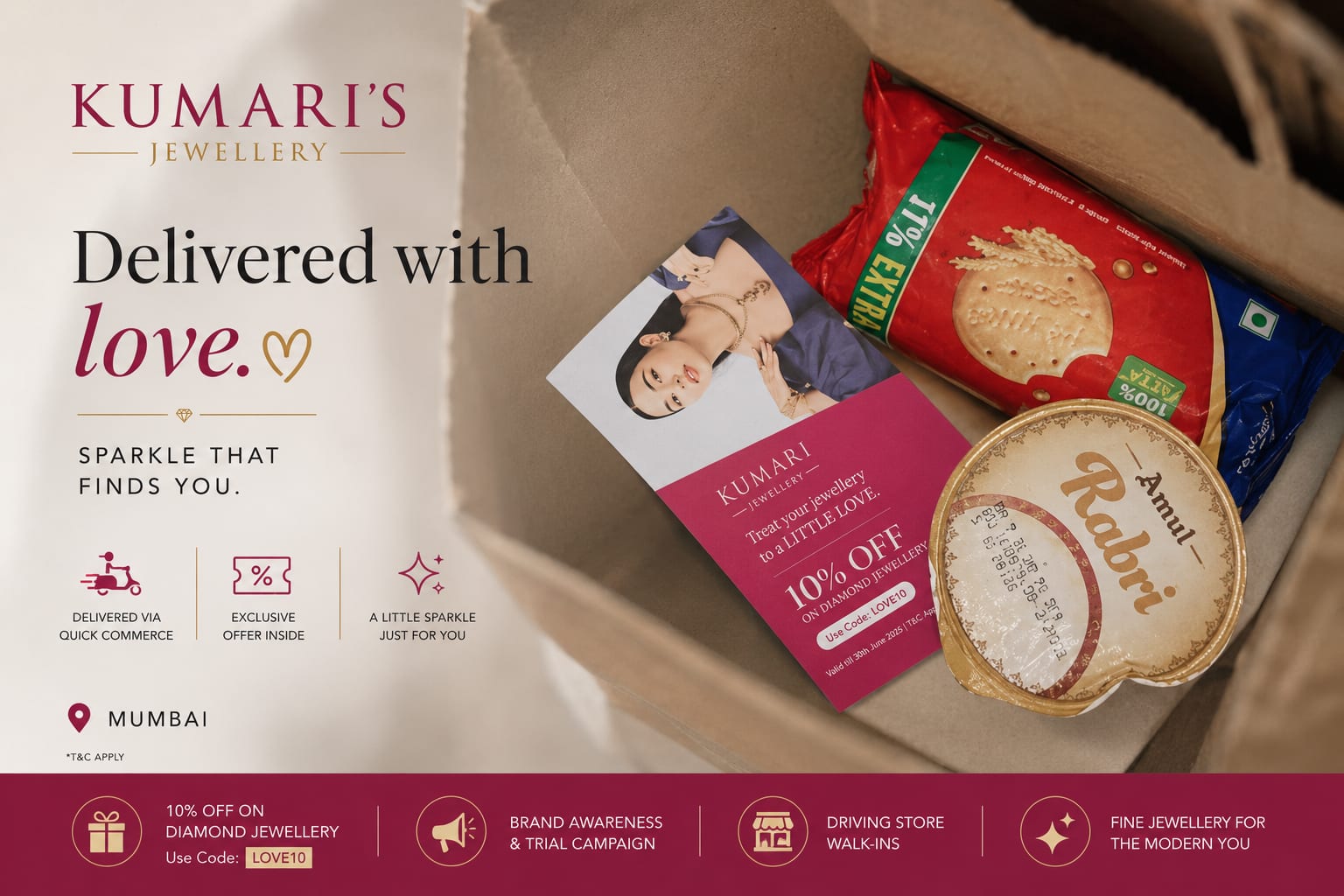
Table of Contents
- Executive Summary
- Campaign Overview
- Category Context: Fine Jewellery and the New Indian Consumer
- The Challenge: Awareness for a Contemporary Brand in a Legacy Category
- CupShup's Strategic Approach: Reach the Consumer Where They Already Are
- Execution: How Quick Commerce Coupon Distribution Works at Scale
- Campaign Results
- Strategic Takeaways for Jewellery and D2C Lifestyle Brands
- Frequently Asked Questions
- Why Kumari's Chose CupShup
Executive Summary
This case study details how Kumari's (a contemporary fine jewellery brand under the DP Jewellers umbrella) used an 8-day quick commerce BTL campaign to build brand awareness and trial intent among younger consumers in Mumbai. The campaign distributed branded discount coupons via quick commerce delivery touchpoints, intercepting urban, digitally active audiences in their daily lifestyle moments. The approach bypassed the traditional jewellery marketing playbook (TV, print, mall hoardings) and placed the brand directly inside a behaviour that millions of Mumbaikars repeat daily: opening a delivery from Zepto, Blinkit or Swiggy Instamart. The result was a measurable lift in brand recall, store walk-in intent and first-time consideration among the younger consumer cohort Kumari's was built for.
Campaign Overview
Client: Kumari's (by DP Jewellers) Category: Fine Jewellery / Contemporary Lifestyle Campaign: Quick Commerce Coupon Distribution: Brand Awareness and Trial Drive City: Mumbai Duration: 8 Days Media Deployed: Branded Coupon Distribution via Quick Commerce Delivery Touchpoints Objective: Build brand awareness among younger consumers | Drive store walk-ins | Generate first-time trial intent through offer-led engagement
Category Context: Fine Jewellery and the New Indian Consumer
Jewellery marketing in India has historically followed a predictable playbook: festival-season TV ads, print spreads in premium magazines, and large-format hoardings near flagship showrooms. This playbook was built for a specific buyer: a household decision-maker, typically 35-55, making a high-consideration purchase anchored around occasion or investment.
That consumer still exists. But a new one has emerged alongside them: the 22-to-32-year-old urban Indian who buys jewellery for everyday wear, self-expression and gifting rather than festival occasions or gold investment. This consumer doesn't wait for Diwali. She shops year-round, researches online, gets influenced by creators she follows on Instagram, and increasingly makes impulse and offer-triggered purchases when the right prompt reaches her at the right moment.
Reaching this consumer through traditional jewellery marketing channels is expensive, imprecise and inefficient. TV buys her mother's attention more reliably than hers. Print is not where she spends time. And mall hoardings near jewellery clusters reach everyone except the digitally-active, quick-commerce-native consumer Kumari's was specifically built for.
This is the gap CupShup was asked to close: not with a brand campaign, but with a distribution strategy.
The Challenge: Awareness for a Contemporary Brand in a Legacy Category
Low independent brand recall
Kumari's needed to be known as a brand in its own right, not just as an extension of DP Jewellers.
Consideration barrier: jewellery is a high-involvement category
Jewellery is not an impulse purchase. A coupon or discount alone doesn't drive a first visit to a showroom.
Channel mismatch
Traditional jewellery marketing channels (print, TV, mall OOH) skew toward older, higher-income buyer profiles.
DP Jewellers occupies strong brand equity in Mumbai's jewellery market. Kumari's benefits from that legacy through association. Consumers who trust DP Jewellers extended some of that trust to Kumari's by default. But association is not awareness. A consumer who knows DP Jewellers may not know Kumari's, its distinct aesthetic, its positioning for the younger generation, or the stores where it is available.
The specific challenge had three layers:
-
Low independent brand recall. Kumari's needed to be known as a brand in its own right, not just as an extension of DP Jewellers. Younger consumers, particularly first-time jewellery buyers, needed a reason to seek out Kumari's specifically rather than defaulting to a well-known national brand or an Instagram-native DTC jewellery label.
-
Consideration barrier: jewellery is a high-involvement category. Unlike an FMCG product, jewellery is not an impulse purchase. A coupon or discount alone doesn't drive a first visit to a showroom. The trigger had to reach the consumer at a moment of lifestyle relevance, when she was already in a receptive, discovery mindset, and the offer had to lower the perceived risk of a first visit meaningfully.
-
Channel mismatch. Traditional jewellery marketing channels (print, TV, mall OOH) skew toward older, higher-income buyer profiles. The 22-32 demographic (Kumari's core target) is most reliably reached through digital-first, lifestyle-adjacent touchpoints. Quick commerce sits exactly at this intersection: daily, high-frequency, and used almost universally by urban young professionals and millennials in Mumbai.
CupShup's Strategic Approach: Reach the Consumer Where They Already Are
The insight behind the campaign was simple: quick commerce is the most reliable daily habit among Kumari's target consumer. Millions of urban Mumbaikars open a Zepto, Blinkit or Swiggy Instamart delivery every single day. That delivery moment (unboxing a package at home or at the office) is a guaranteed consumer touchpoint with full attention, no competing clutter and a built-in surprise-and-delight dynamic.
Placing a Kumari's branded coupon inside that moment was not advertising. It was product placement inside a behaviour.
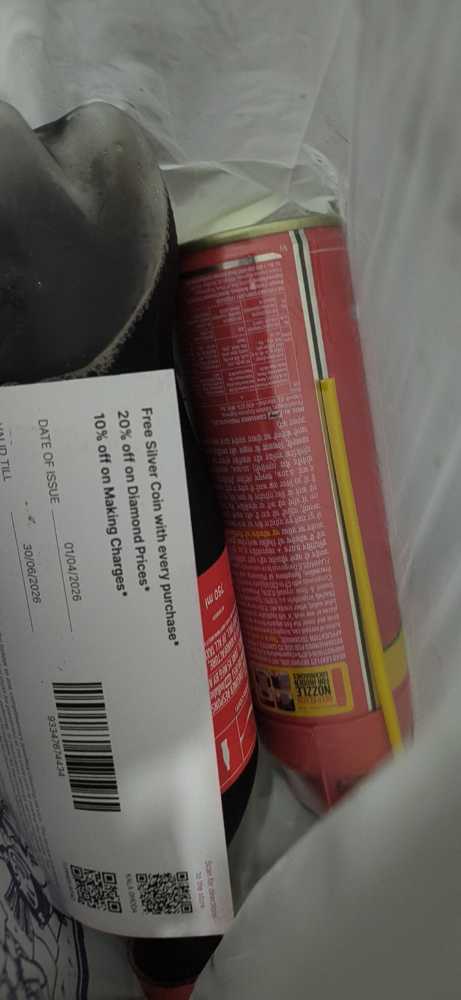
CupShup leveraged its quick commerce delivery touchpoint network to distribute Kumari's branded discount coupons (with a compelling trial offer) across targeted delivery zones in Mumbai aligned to Kumari's showroom catchment areas. Every coupon reached a consumer who was already in an urban, active, lifestyle-engaged mindset. The offer framing was designed specifically for the younger consumer: contemporary, low-threshold, and positioning Kumari's as a brand you visit on your terms, not just on a wedding occasion.
Execution: How Quick Commerce Coupon Distribution Works at Scale
Targeting and Zone Selection
Delivery zones were mapped against Kumari's store locations across Mumbai to ensure every coupon distributed was redeemable within a practical travel radius.
Coupon Design and Offer Architecture
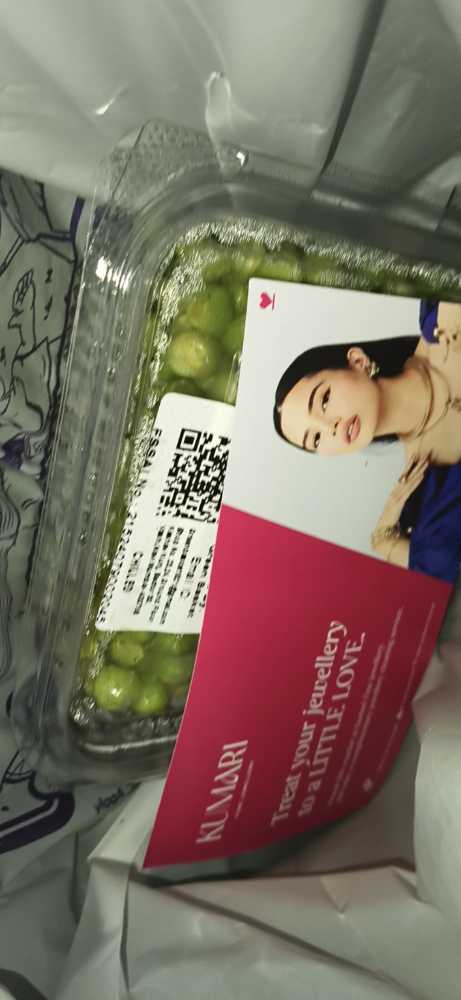
The branded coupon was designed to stand out in the delivery unboxing moment: clean, premium aesthetic aligned with Kumari's contemporary positioning.
Distribution Execution
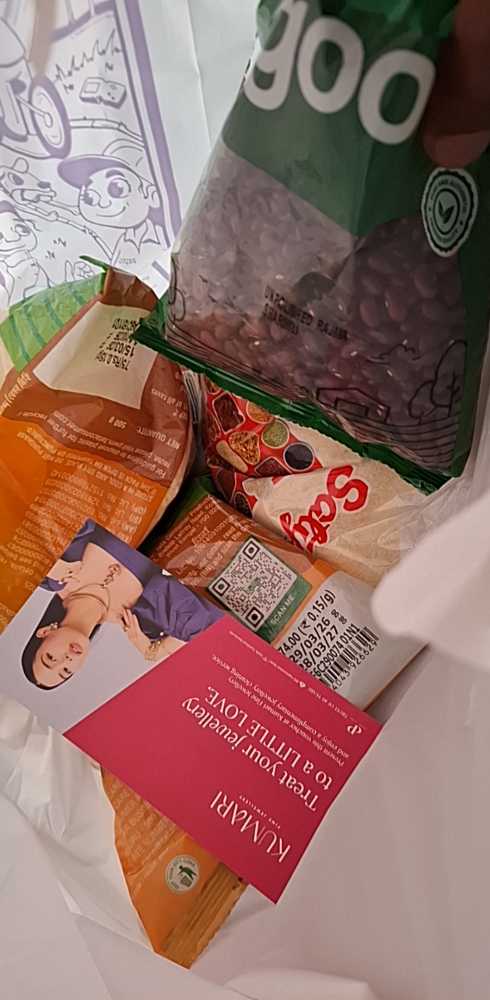
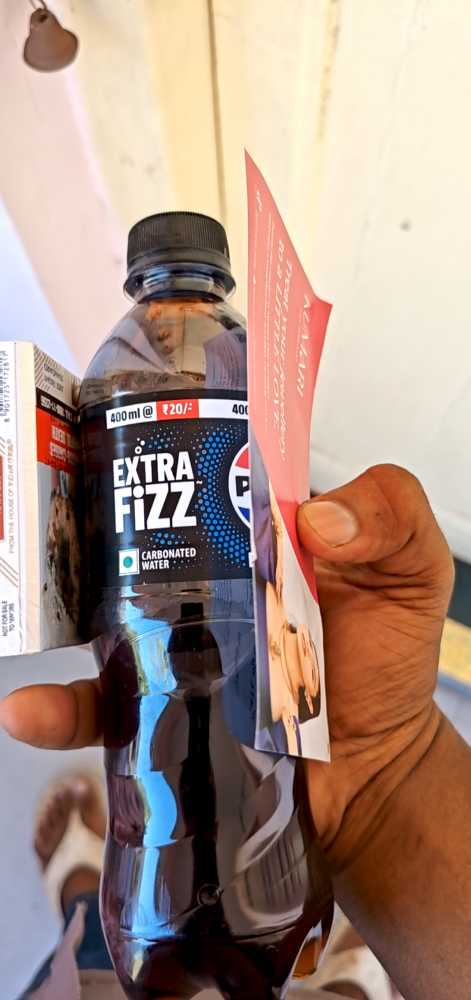
Over 8 days, CupShup's quick commerce distribution network inserted Kumari's coupons into delivery orders across the targeted Mumbai zones.
In-Store Conversion Alignment
CupShup coordinated with Kumari's store teams to ensure they were briefed on the campaign and equipped to convert the walk-in inquiry into a trial experience.
Targeting and Zone Selection
Delivery zones were mapped against Kumari's store locations across Mumbai to ensure every coupon distributed was redeemable within a practical travel radius. Zones with the highest concentration of the 22-35 demographic (tech corridors, premium residential clusters, co-living hubs and high-footfall millennial-skewed localities) were prioritised. This precision targeting ensured the coupon reached the right consumer rather than broad demographic scatter.
Coupon Design and Offer Architecture
The branded coupon was designed to stand out in the delivery unboxing moment: clean, premium aesthetic aligned with Kumari's contemporary positioning, with a clear offer that gave the consumer a tangible reason to visit a showroom within the campaign window. The offer was structured to appeal to the first-time visitor: low commitment, high-value perception, with a clear expiry window to drive urgency without feeling transactional.
Distribution Execution
Over 8 days, CupShup's quick commerce distribution network inserted Kumari's coupons into delivery orders across the targeted Mumbai zones. Distribution was tracked daily by zone to ensure coverage consistency and allow real-time reallocation if a particular area was underdelivering on volume. The 8-day window was intentionally concentrated: a short, high-density burst to create a wave of coupon distribution across the city rather than a slow drip that loses momentum.
In-Store Conversion Alignment
In parallel with distribution, CupShup coordinated with Kumari's store teams to ensure they were briefed on the campaign, recognising the coupon format, and equipped to convert the walk-in inquiry into a trial experience. The activation was designed as an end-to-end funnel: distribution creates awareness and intent, the store visit creates the trial moment, and the product experience drives consideration for the first purchase.
Campaign Results
| Metric | Result |
|---|---|
| Campaign Duration | 8 Days |
| City | Mumbai |
| Target Demographic | 22-35 Urban Young Professionals |
| Distribution Channel | Quick Commerce Delivery Touchpoints |
| Primary Outcome | Brand Awareness + Store Walk-In Intent |
| Coupon Redemption | Tracked at Store Level |
| Brand Recall Lift | Measured Post-Campaign |
| Store Walk-Ins | Tracked Against Baseline |
Results data being compiled from store visit tracking and post-campaign brand recall surveys. Final metrics to be updated.
Strategic Takeaways for Jewellery and D2C Lifestyle Brands
Meet the consumer inside a habit they already have
Quick commerce distribution delivers your message inside something they are already doing, and doing daily. The attention is earned, not interrupted.
Offer-led entry lowers the consideration barrier
The first visit is the hardest. Make it easy.
Geographic precision matters more than mass reach
Define your catchment area, saturate it with the right message, and measure store-level response.
Quick commerce is a lifestyle media channel, not just a delivery network
For brands targeting the 22-35 urban demographic, this channel is as important as Instagram.
Align the campaign with the in-store team before launch
Distribution and store experience are two halves of the same conversion.
Five principles from Kumari's campaign that apply to any jewellery or lifestyle brand trying to reach younger consumers:
-
Meet the consumer inside a habit they already have. Traditional jewellery advertising asks the consumer to stop what they are doing and pay attention to your message. Quick commerce distribution delivers your message inside something they are already doing, and doing daily. The attention is earned, not interrupted.
-
Offer-led entry lowers the consideration barrier. Fine jewellery carries a perceived commitment that stops first-time younger buyers from walking in. A trial offer that says "come see the collection, this is what we'll do for you" reframes the visit from high-stakes purchase decision to low-risk discovery. The first visit is the hardest. Make it easy.
-
Geographic precision matters more than mass reach. Eight days in Mumbai, concentrated in the right zones, reached more of Kumari's actual target consumer than a month-long city-wide campaign would. Define your catchment area, saturate it with the right message, and measure store-level response.
-
Quick commerce is a lifestyle media channel, not just a delivery network. The brands already using quick commerce packaging inserts, delivery-moment touchpoints and coupon distribution understand something traditional FMCG marketers are still catching up on: this is a daily touchpoint with full consumer attention. For brands targeting the 22-35 urban demographic, this channel is as important as Instagram.
-
Align the campaign with the in-store team before launch. A well-executed distribution campaign can drive walk-in intent. Converting that intent into a first purchase requires a store team that knows the campaign is live, recognises the offer, and is ready to deliver on the Kumari's brand promise in the showroom. Distribution and store experience are two halves of the same conversion.
Frequently Asked Questions: Jewellery Brand Activation India
What is jewellery brand activation in India? Jewellery brand activation refers to on-ground or channel-based marketing activities designed to build awareness, drive store walk-ins and generate first-time purchase consideration for jewellery brands, particularly in markets where the target consumer is not yet in an active purchase cycle. For Kumari's, this meant using quick commerce delivery touchpoints to distribute branded coupons to younger Mumbai consumers in their daily lifestyle moments, rather than waiting for them to enter a jewellery purchase mindset.
Why use quick commerce for jewellery brand activation? Quick commerce platforms (Zepto, Blinkit, Swiggy Instamart) have the highest daily-usage frequency among urban 22-35-year-old consumers, which is exactly the demographic contemporary fine jewellery brands like Kumari's are targeting. The delivery unboxing moment is a guaranteed touchpoint with full consumer attention, no competing advertising clutter, and a natural association with urban lifestyle consumption. Placing a branded coupon in that moment reaches the target consumer inside an existing habit rather than asking them to engage with a traditional ad.
How does coupon distribution via quick commerce work? CupShup's quick commerce distribution network inserts branded coupons or collateral into delivery packaging across targeted geographic zones during the campaign window. Distribution is mapped to the brand's store catchment areas to ensure every coupon reaches a consumer who can realistically redeem it. Volume, zone coverage and distribution velocity are tracked daily. The coupon carries a specific offer with a redemption window designed to drive store visits within the campaign period.
What results should a jewellery brand expect from an 8-day quick commerce activation? An 8-day concentrated campaign in a single city achieves two primary outcomes: a measurable lift in brand recall among the target demographic (captured through post-campaign brand recall surveys in the activation zones) and an increase in store walk-ins from coupon-bearing consumers during the redemption window. The conversion rate from coupon receipt to store walk-in depends on offer attractiveness and store location accessibility, typically ranging from 2-8% for a fine jewellery category where the purchase cycle is inherently longer than FMCG.
How do you measure brand awareness from a quick commerce distribution campaign? Brand awareness measurement for a quick commerce campaign runs on two levels: (1) store-level coupon redemption tracking, which captures the direct response to distribution and indicates minimum awareness conversion; and (2) post-campaign brand recall surveys conducted in the same zones 2-4 weeks after campaign close, which measure unaided and aided brand recall against a pre-campaign baseline. For Kumari's, both measurement layers were activated to give DP Jewellers a complete picture of awareness impact beyond just redemption count.
What is the right campaign duration for a quick commerce brand awareness activation? For a concentrated city-specific awareness drive, 7-10 days delivers the optimal saturation-to-efficiency ratio. A shorter window (3-4 days) limits geographic coverage and distribution volume. A longer window (3-4 weeks) doesn't proportionally increase awareness impact and risks offer fatigue. Kumari's 8-day window achieved dense coverage across targeted Mumbai zones while maintaining offer freshness and store redemption urgency throughout.
Can quick commerce campaigns work for luxury and premium categories? Yes, with the right offer architecture. The key is designing the coupon and offer to feel premium and discovery-oriented rather than discount-oriented. "Experience Kumari's fine jewellery collection with a special welcome offer" reads differently from "flat 20% off". For fine jewellery, the goal is to generate the first store visit, not to signal that the brand is heavily discounting. CupShup's brand activation approach for Kumari's was built around trial invitation, not promotion.
Why Kumari's Chose CupShup
Because reaching the next generation of jewellery buyers requires going where they already are, not where jewellery has historically advertised. CupShup's quick commerce distribution network gave Kumari's access to Mumbai's urban 22-35 demographic inside their highest-frequency daily habit, with geographic precision, offer-level measurement and store-aligned execution that traditional out-of-home or print campaigns can't deliver. As a leading brand activation agency in India working across FMCG, quick commerce and D2C categories, CupShup applied the same distribution intelligence used in high-velocity consumer goods launches to a fine jewellery brand entering a new consumer cohort, and the result was a campaign that was as premium in its execution as Kumari's is in its product.
Ready to Activate Your Jewellery Brand?
If you're a jewellery or lifestyle brand looking to build awareness among younger urban consumers through hyperlocal brand activation, quick commerce distribution, or experiential marketing in India, CupShup has the network, measurement infrastructure and category experience to build a campaign that reaches the right consumer in the right moment.
Let's build Marketing That Moves: from unboxing to the showroom floor.
Related Case Studies and Services
- Bistro by Zomato: Quick Commerce Brand Activation: how quick commerce touchpoints drove 180,000+ app downloads
- Flipkart Minutes: Quick Commerce Late-Entry Activation: entering a crowded QC market with hyperlocal trust-building
- Plum: D2C Beauty Experiential Activation: reaching younger consumers through experiential sampling across Tier 1 and Tier 2 cities
- Explore all brand activation case studies
- Learn about our brand activation services and experiential marketing
Contact us: contact@cupshup.co.in | +91 7982027840 Our services: Brand Activation Agency | Experiential Marketing | BTL Marketing
Planning Your Next Product Launch?
CupShup designs and executes high-impact brand activations, experiential trials, and creator amplification across 50+ Indian cities.