
When Rebrands Flop (and How to Make Yours Fly)

Rebrands are like first dates. You dress up, smell good, rehearse your pitch, and still risk hearing, “You’ve changed”.
Looking for a brand communication agency that makes your message impossible to ignore? CupShup blends AI-powered insights with creative storytelling across 10,000+ campaigns, helping brands craft communications that resonate, engage, and convert.
At their best, rebrands make a brand feel fresh, confident, and ready for the next chapter. At their worst, they make loyal fans feel like someone swapped their favorite playlist for elevator music.
We’ve all seen it happen. A new logo drops, the internet loses it, and the brand scrambles to “listen to feedback”. It’s like watching a live season of “When Marketing Goes Wrong”.
I’m part of the crew that helps CupShup craft stories and campaigns that make people go, “Bhai, yeh toh kamaal kar diya!” And after seeing enough rebrands crash and burn, I figured it’s time we talk about why they flop and how to make sure yours doesn’t.
In an age where social media trends evolve overnight, and digital storytelling rules the screen, understanding why rebrands fail has never been more crucial for anyone in digital marketing or content marketing.
Why Some Rebrands Fail (and What the Pros Know But Don’t Tell You)
1. Rebranding Without a Strong “Why” in the Age of Digital Marketing
A rebrand without purpose is like Maggi without masala. Technically the same, but deeply unsatisfying.
Too many brands change their look just because someone says, “We need to look younger”, or “Let’s go minimal like everyone else”. That’s not strategy, that’s panic wearing a turtleneck.
Take Abrdn (formerly Aberdeen). They dropped vowels to look modern and ended up looking like a typo. Or PrettyLittleThing, which swapped its pink, playful vibe for a black-and-white “grown-up” look. Fans didn’t find it classy, they found it boring.

As Yuvana once said during a brainstorm, “If the inside story hasn’t changed, no amount of rebranding can fool the audience”. She’s right.
Pro tip: Always start with a real reason. If your product, audience, or purpose hasn’t evolved, a rebrand will only confuse people. Design should follow strategy, not replace it. In today’s digital marketing world, your “why” must resonate across all digital storytelling platforms, from your website to your social media reels.
2. Ignoring Emotional Attachment in the Era of AI and Automation
People don’t fall in love with fonts. They fall in love with how brands make them feel. Those old colors, mascots, or packaging quirks? They’re not “dated,” they’re memory triggers.
Remember Tropicana’s 2009 disaster? They ditched their iconic orange-with-a-straw image for a sleek design, and customers couldn’t recognize them. Sales dropped by 20 percent in two months. That’s not evolution, that’s brand identity theft.
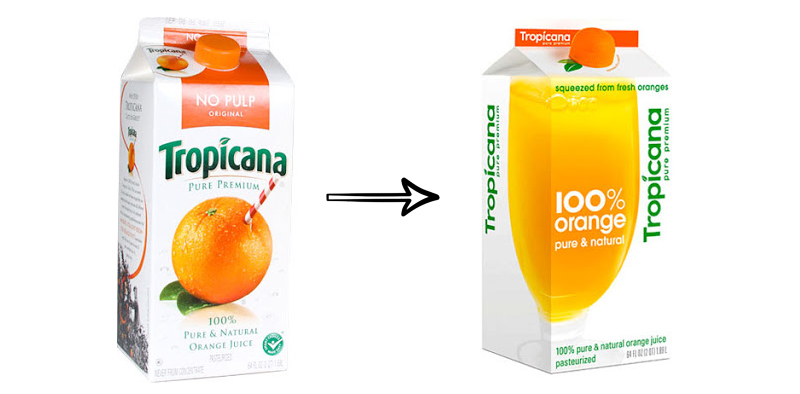
When we were chatting about this in the office, Krithika said something that stuck: “It’s like when your favorite chai tapri changes the cup and suddenly the chai doesn’t taste the same”. Exactly. Familiarity has flavor.
Pro tip: Before you change your look, find out what your audience truly connects with. Sometimes the “old” things are the ones doing all the heavy lifting. Don’t discard emotional assets, upgrade them. Even with AI and automation helping analyze customer behavior, human connection remains your strongest marketing currency.
3. Skipping Consumer and Stakeholder Testing in Content Marketing Campaigns
The quickest way to kill a rebrand is to launch it without asking anyone outside your own building.
The Gap 2010 story is still taught in marketing classes. New logo, no testing, instant outrage. They reversed it in four days. Four days! That’s faster than a weekend hangover.
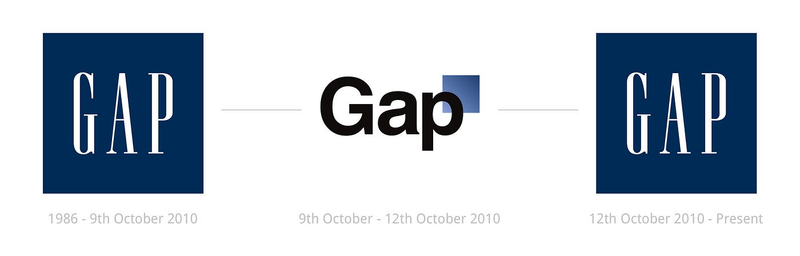
Testing doesn’t have to be complicated. Maaz once ran a small A/B survey for two campaign posters. One had our signature wit; the other was “safe”. Guess which one bombed? The “safe” one. Because customers can smell hesitation a mile away.
Pro tip: Test small, test often. Mockups, pilots, focus groups, internal trials, use them all. And don’t ignore your employees or partners. They’re often the first to feel whether something fits or flops. In content marketing and social media, testing tone, voice, and visuals across digital platforms before rollout can save you from a costly rebrand fail.
4. Losing the Brand’s Soul and Digital Storytelling Identity
Rebrands don’t fail because they change too little. They fail when they forget who they are. Heritage isn’t old-fashioned; it’s emotional credibility.
When Jaguar rebranded for its electric vehicle future, it went so sleek that it lost its warmth. The design was pretty, but the heart wasn’t there. Cracker Barrel did something similar in 2025 by trying to modernize its rustic charm. Loyal customers felt like the brand traded nostalgia for neutrality.

Sourav always jokes, “You can update your wardrobe, but you can’t forget your hometown”. That line works for brands too.
Pro tip: Keep your “heritage threads.” Your signature color, tone, or logo shape can evolve without disappearing. People like growth, they hate disconnection. In digital storytelling, your evolution should feel like a continuation of your story, not a brand-new chapter that leaves your old audience behind.
5. Messy Rollouts and Poor Communication on Social Media
Even the smartest rebrand will flop if the rollout looks messy. Imagine this: your website shows the old logo, Instagram shows the new one, and the packaging still says 2019. Customers will assume your marketing team fell asleep mid-project.
Jaguar faced this when its new branding wasn’t matched by dealerships or customer experiences. It’s like announcing a new movie before you’ve finished the script.
When we plan brand rollouts at CupShup, Surya (our numbers guy) always reminds us, “If timing’s off, even genius ideas can bomb”. He’s painfully right and usually armed with data to prove it.
Pro tip: Launch in phases, but make it look cohesive. Prep your internal teams first, align your vendors, and make sure every touchpoint speaks the same language. Confusion kills credibility faster than competition does. Especially on social media, where audiences notice every inconsistency within seconds.
6. Not Measuring Brand Health Before and After Rebranding in Digital Marketing
Most brands celebrate the rebrand with champagne and then forget to check if it actually worked.
Tracking sentiment, recognition, and loyalty is essential. A 2024 study showed that brands monitoring “brand health” after rebranding were twice as likely to grow sustainably.
Divyanshu, who’s obsessed with analytics, once told me, “Without benchmarks, every result looks great until it doesn’t”. He’s right again.
Pro tip: Measure hard numbers (sales, recall) and soft ones (sentiment, social buzz). Check in monthly, quarterly, and half-yearly. If something feels off, fix it early. A small correction costs way less than a full recovery campaign. AI and automation tools can be game changers here, tracking social media sentiment and consumer reactions in real time.
How to Rebrand Right (Like You’ve Done This Before)
Here’s a playbook that experienced brand folks follow after surviving one too many rebrand rollercoasters.
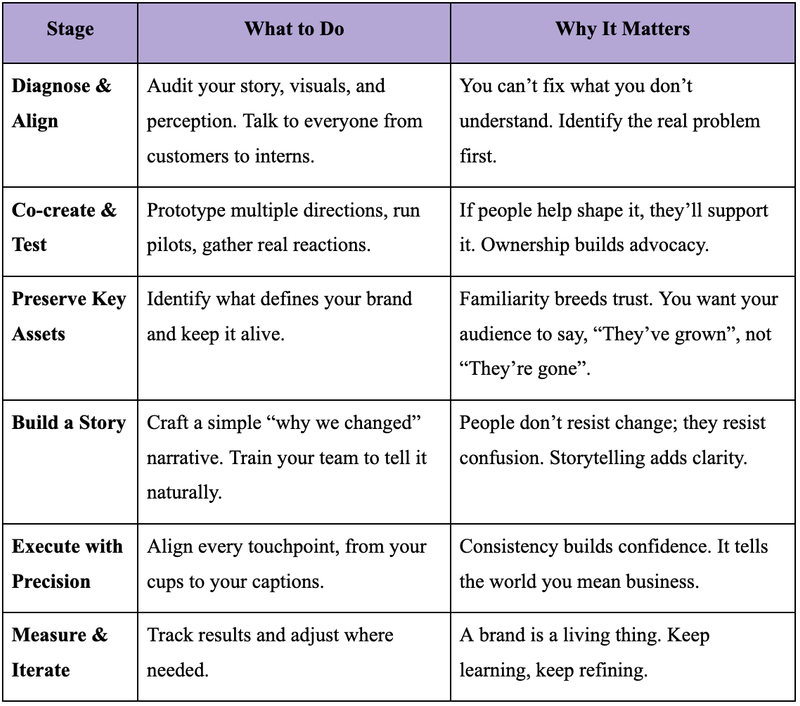
Every digital storytelling effort, social post, and campaign asset should feel like part of one big, cohesive narrative.
Read next: Humanise the Machine: How to Give Your Brand Real Persona..., Marketing in the Trust Economy - Why Transparency Is the ..., and How to Build Brand Trust in a Distrustful World.
Real Lessons from the Field of Digital Marketing
You don’t need a massive marketing budget to learn from the pros.
Dunkin’ dropped “Donuts” but kept its warmth and friendliness. That’s how you grow without losing flavor.PrettyLittleThing toned things down but lost its personality in the process. Playing safe can be riskier than being bold.
The moral? Know your emotional currency. That’s the treasure you can’t afford to waste. In content marketing, this emotional thread is what turns campaigns into movements.
The CupShup Hypothetical Rebrand (If We Ever Do It)
Let’s imagine CupShup decides to rebrand, from India’s favorite guerrilla-on-cups agency to a full-blown hyperlocal creative powerhouse. Here’s how we’d handle it.
Why Brands Choose CupShup as Their Brand Communication Agency
CupShup isn't just another brand communication agency — we're a team that's built brand storytelling into the DNA of 10,000+ campaigns across 300+ Indian cities. From data-driven messaging and AI-powered content strategy to multi-channel brand narratives and real-time audience insights, our hybrid creativity + technology approach delivers communications that pure-play agencies can't match.
- Run a Brand Attachment Map: Find what clients love most, the wit, the chai, the bold green. That stays.
- Design for Reality: Our work lives on walls, cups, and social feeds. The new design needs to shine everywhere.
- Pilot Quietly: Start with one city and one campaign. Test, tweak, repeat.
- Tell the Story: “From Cups to Conversations” isn’t just a tagline, it’s a journey.
- Plan the Transition: Account for the cost and time of rebranding physical assets.
- Monitor the Pulse: Surya and Divyanshu’s dashboards will tell us what’s working.
- Stay Authentic: CupShup’s personality, bold, witty, and fearless, will always be our superpower.
As Maaz said one night while we were debating a client brief, “A rebrand should feel like your old friend in new sneakers, cooler but still them”. Couldn’t have put it better myself.
Key Takeaways for Brand Managers and CMOs in Digital Marketing
- Don’t rebrand because you’re bored; do it because you’re evolving.
- Keep what’s iconic, fix what’s confusing.
- Test more than you post.
- Internal clarity beats external hype.
- Measure the vibes and the numbers.
- Treat your rebrand like a long-term relationship, not a fling.
- Use AI and automation tools smartly to monitor engagement across social media and digital channels.

Final Sip of Wisdom in Digital Storytelling
Rebranding isn’t about becoming someone new. It’s about rediscovering who you already are, with better lighting and a stronger voice.
Because the goal of a great rebrand isn’t to reinvent.It’s to remind.
Thinking about rebranding your brand?
Let’s make sure your story doesn’t just change, it evolves with purpose, personality, and power.Reach out to CupShup to create a rebrand strategy that connects your digital storytelling, social media, and content marketing efforts into one strong, unforgettable narrative.
Ready to Get Started? Talk to CupShup
Whether you're planning a high-impact campaign or looking for a brand communication agency that delivers real results — CupShup's team is ready to help. Book a Free Brand Communication Strategy Call →
50 Integrated Marketing Campaign Ideas
The complete playbook with campaign frameworks, budget templates, and measurement guides for Indian brands.
Instant download + email copy. No spam, ever.
Explore CupShup Services
Brands that read this article also explored these services.
Brand Activation Agency India
Turn brand awareness into real-world engagement with CupShup's 400+ activation track record.
Learn more BrandBrand Strategy Services
Brand identity, positioning, and messaging frameworks built for competitive Indian markets.
Learn more ExperientialExperiential Marketing Agency
End-to-end experiential campaigns that create memorable brand moments and drive measurable ROI.
Learn moreAakriti Mishra
Senior Marketing Strategist at CupShup with over 8 years of experience in brand activation and integrated marketing campaigns. Aakriti specializes in creating data-driven strategies that deliver measurable results for modern brands.
Related Stories



Go Deeper with Our Free Guides
Comprehensive, in-depth marketing guides created by CupShup's experts.
The Ultimate Guide to Brand Activation
Everything you need to know about bringing your brand to life, strategies, examples, and frameworks.
The Ultimate Guide to Digital Marketing
Master every channel in the modern digital marketing ecosystem, from SEO to paid media.
The Ultimate Guide to SEO
The definitive guide to search engine optimization, on-page, technical, and link building strategies.