
ATL vs BTL Marketing: Examples and When to Use Each (India)
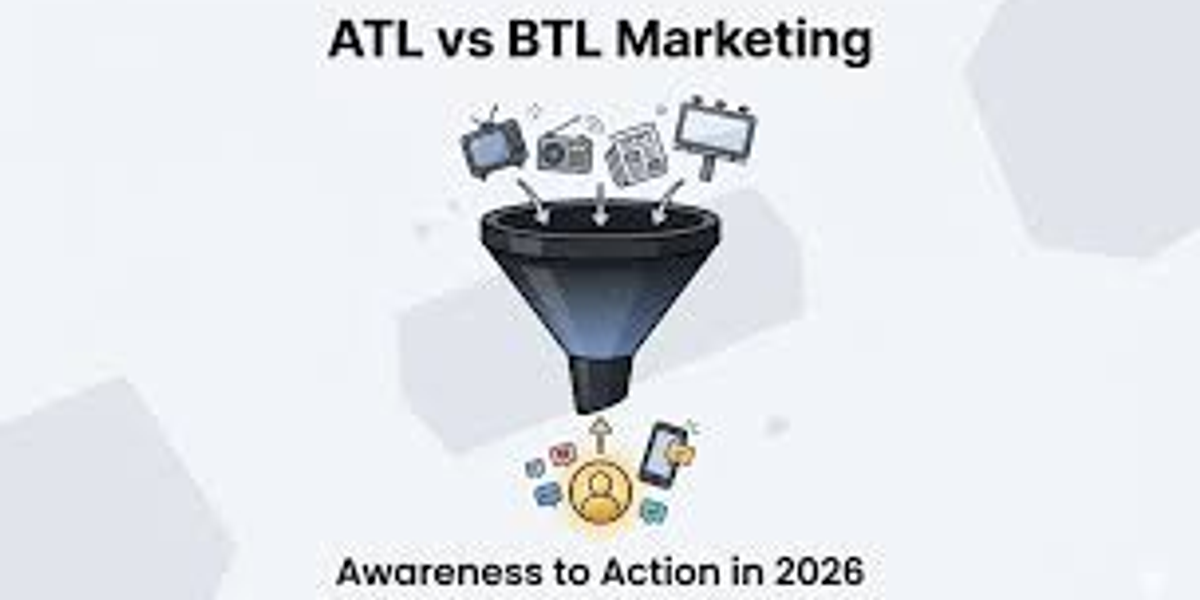
ATL and BTL marketing are two halves of the same growth engine. ATL (Above The Line) builds broad awareness through mass media; BTL (Below The Line) drives trial and conversion through targeted, on-ground activity. The brands that win in India do not pick one. They integrate both, then connect everything to digital. This guide explains ATL and BTL with real Indian examples, shows how they compare, and lays out how to combine them. The atl vs btl marketing debate really comes down to reach versus depth. So, atl vs btl — which should you lead with?
ATL vs BTL: The Core Difference
- Full form: ATL is Above The Line. BTL is Below The Line.
- Goal: ATL drives mass awareness and recall. BTL drives trial, leads and conversion.
- Channels: ATL uses TV, print, radio and outdoor. BTL uses sampling, kiosks, society and retail activation.
- Audience: ATL is broad. BTL is targeted and specific.
- Measurement: ATL is weak and survey-based. BTL is strong and tracked per activation.
- Cost logic: ATL pays per thousand impressions. BTL pays per qualified outcome.
Every atl vs btl marketing decision should start with the objective, not the channel.
ATL is how a brand becomes known. BTL is how it gets tried and bought. The handoff between them, increasingly powered by a strong digital and performance layer, is where modern campaigns live or die. The honest atl vs btl marketing answer for most Indian brands is: use both.
ATL Marketing Examples in India
- National TV campaigns for FMCG launches that build category awareness before a product hits shelves.
- Print and outdoor during festive seasons to anchor a brand in the cultural moment.
- Radio spots in regional languages to reach drive-time audiences in specific states.
ATL is powerful for reach, but on its own it cannot tell you who acted. That is the gap BTL fills.
BTL Marketing Examples in India
- Product sampling in malls, metro stations, and housing societies to put the product in hand.
- In-store and retail activation at the point of purchase to convert consideration into sale.
- Society and RWA programmes that reach families where they live and trust their neighbours.
- Roadshows and canter campaigns that take a brand into tier 2 and tier 3 markets.
- Mall and quick-commerce tie-ins that turn footfall into trial and capture leads digitally.
For the full tactical list, see the 7 BTL activities that move numbers and our complete BTL marketing guide.
How to Integrate ATL and BTL (TTL)
The integrated approach is called TTL, Through The Line. The pattern that works:
- Lead with ATL to build awareness where the budget justifies mass reach.
- Activate with BTL in priority markets to convert that awareness into trial and leads.
- Capture every contact digitally with QR codes and lead forms.
- Retarget and nurture through performance marketing and WhatsApp follow-ups.
- Measure end to end so you know which markets and formats actually drove sales.
- Awareness (ATL): reach and recall.
- Action (BTL): trial, leads and conversion.
- Scale (digital and performance): retargeting and measurable ROI.
This is exactly what a strong, integrated partner, rather than the best digital marketing agency in India working in isolation from an unconnected activation vendor, is built to deliver.
Integrated ATL + BTL Campaigns in Action
The strongest proof of integration is a campaign that moved real numbers by combining awareness with on-ground action.
- Social-movement scale. The goDesi integrated marketing campaign blended brand storytelling with on-ground activation to build a movement, not just a moment.
- Integrated entertainment tie-in. The Kota Factory integrated marketing campaign connected a content property to on-ground and digital touchpoints for a single, measurable push.
- Launch with experiential muscle. The Maruti Suzuki SUV launch paired launch awareness with experiential activation so the buzz converted into showroom intent.
Each of these works because ATL and BTL were planned as one funnel, then connected to digital for measurement and retargeting.
How to Split Budget Between ATL and BTL
- New brand, low awareness: lean ATL-heavy with BTL in key markets, to build recognition and seed trial.
- Growing brand, building trial: balance ATL and BTL, so awareness and conversion work together.
- Established brand, defending share: lean BTL-heavy, with ATL for events, to protect availability and loyalty.
- Performance-focused, lean budget: lead with BTL and scale with digital, for measurable trial at lower cost.
There is no fixed ratio. The right split is the one that delivers the lowest cost per qualified outcome for your stage and category.
Work With CupShup
CupShup runs ATL-aware, BTL-led, digitally-connected campaigns for 400+ brands across 30+ cities. Our brand activation team plans on-ground work around measurable outcomes and ties it to the digital engine that scales it.
Want ATL and BTL working as one accountable plan? Talk to CupShup.
ATL BTL Marketing India: One Integrated Plan
A strong ATL BTL marketing India strategy combines mass awareness with on-ground conversion, then connects both to digital. The brands that win treat ATL BTL marketing India as a single funnel rather than separate budgets, which is why they choose an integrated partner over the best digital marketing agency in india working in isolation from an unconnected activation vendor.
Planning ATL and BTL Marketing With the Right Partners
Strong ATL and BTL marketing in India rarely comes from one team alone. The mass-reach idea needs a media mind, the on-ground conversion needs an activation specialist, and a best digital marketing agency in india ties the two together with performance marketing that retargets everyone the campaign touched. When ATL and BTL marketing share one measurement layer, performance marketing turns offline reach into trackable outcomes. CupShup runs the on-ground half and connects it to performance marketing and a best digital marketing agency in india approach.
More BTL and Guerrilla Marketing Examples From CupShup
If you want more guerilla marketing examples in India and FMCG experiential marketing examples with real numbers, these recent CupShup campaigns are a good place to start.
Watch: the Paper Boat Zero Burping Booth
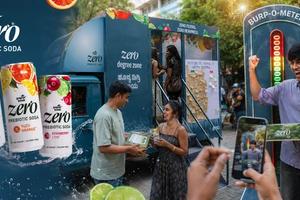
Paper Boat Zero launched on Bengaluru's Church Street from a small canter with a custom Burping Booth and a Burp-o-Meter decibel game. Over two days it drew 1,000+ active participants and 30K-40K local reach, and meme marketing took it to 2.5M+ social impressions. It is a good example of FMCG guerrilla marketing that earns its own reach.
Pintola ran a three-month canter and sampling campaign across Delhi NCR, Jaipur and Chandigarh, with 60,000+ samples, 25+ regional influencers and 80+ city meme pages. It delivered 3.5M+ reach and 12,000+ conversions, showing how FMCG experiential marketing and digital can share one funnel.
Frequently Asked Questions
What is the difference between ATL and BTL marketing?
ATL (Above The Line) is mass-media advertising like TV and print for broad awareness. BTL (Below The Line) is targeted, on-ground activity like sampling and retail activation that drives trial and conversion with strong measurement.
What are examples of ATL and BTL in India?
ATL examples include national TV campaigns, festive print and outdoor, and regional radio. BTL examples include product sampling, in-store activation, society programmes, roadshows, and quick-commerce tie-ins.
What is TTL marketing?
TTL stands for Through The Line, an integrated approach that combines ATL awareness with BTL activation, usually connected to digital follow-up, so the channels reinforce each other.
Should a brand use ATL or BTL?
Most brands use both. ATL builds awareness; BTL converts it into trial and leads. The strongest plans integrate the two and connect them to performance marketing for measurable ROI.
How do you measure ATL vs BTL?
ATL is measured mainly through reach and recall surveys, which are indirect. BTL is measured per activation through captured leads, trials, and sales, making it far more accountable.
Related reading: What Is BTL Marketing? Meaning, Activities and Examples, our full overview of BTL and ATL marketing in India.
50 Integrated Marketing Campaign Ideas
The complete playbook with campaign frameworks, budget templates, and measurement guides for Indian brands.
Instant download + email copy. No spam, ever.
Explore CupShup Services
Brands that read this article also explored these services.
BTL Marketing Services
On-ground activations, sampling drives, RWA events, and experiential campaigns across India.
Learn more ActivationBrand Activation Agency
400+ brand activations across corporates, colleges, societies and transit hubs. Tech-enabled tracking.
Learn more ExperientialExperiential Marketing Agency
End-to-end experiential campaigns that create memorable brand moments and drive measurable ROI.
Learn moreCuppa CS
Digital Marketing Expert specializing in AI-powered marketing tools and automation. Cuppa CS helps brands leverage cutting-edge technology to optimize their digital presence and drive customer engagement.
Related Stories
Go Deeper with Our Free Guides
Comprehensive, in-depth marketing guides created by CupShup's experts.
The Ultimate Guide to Brand Activation
Everything you need to know about bringing your brand to life, strategies, examples, and frameworks.
The Ultimate Guide to Digital Marketing
Master every channel in the modern digital marketing ecosystem, from SEO to paid media.
The Ultimate Guide to SEO
The definitive guide to search engine optimization, on-page, technical, and link building strategies.