
How to Build Brand Trust in a Distrustful World

Some days it feels like the internet has trust issues , and honestly, can you blame it? Scroll through your feed and you’ll find AI-generated influencers “living their best lives”, brands that swear they “care deeply”, and product reviews that sound suspiciously like they were written by someone’s uncle in marketing.
Looking for a brand communication agency that makes your message impossible to ignore? CupShup blends AI-powered insights with creative storytelling across 10,000+ campaigns, helping brands craft communications that resonate, engage, and convert.
We’ve hit peak skepticism. Everyone’s selling “authenticity”, and audiences can smell the performance a mile away. In 2025, people don’t just scroll , they investigate.
At CupShup, we joke that consumers now have PhDs in doubt. They’ve been burned by too many tall claims and glossy campaigns. So when a brand says “We’re here for you”, the reaction isn’t applause , it’s “Okay, prove it”.
The Trust Deficit
The truth is, trust used to be a given. Now, it’s an achievement. Studies show over 70% of consumers double-check a brand before they buy, and more than half rely on recommendations over advertising. Basically, nobody believes anyone until they’ve seen receipts , or at least a few real-world results.
That means one thing for marketers: trust is no longer built through talk; it’s earned through proof.
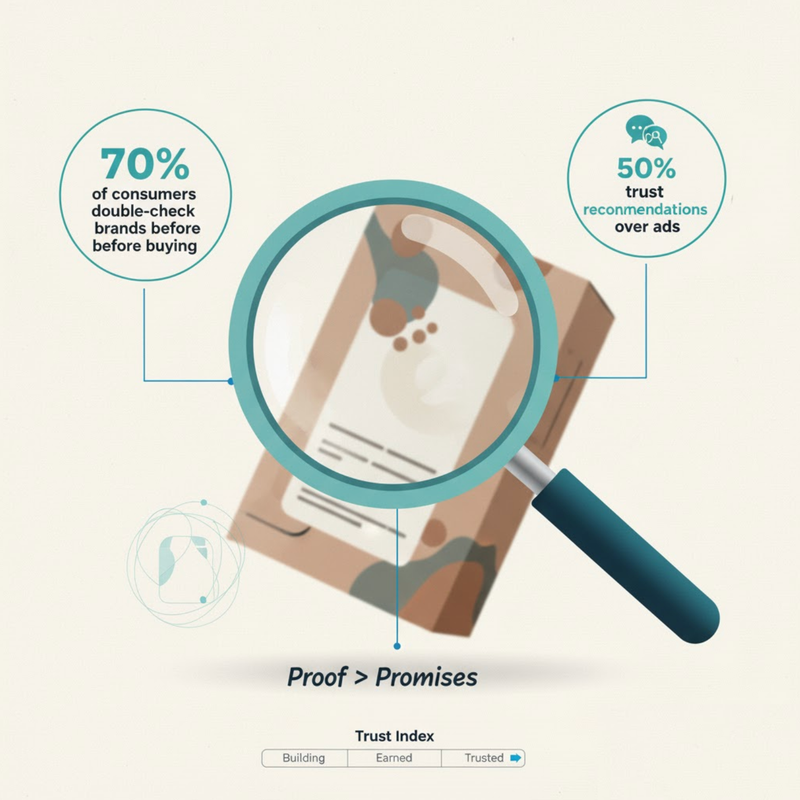
Every campaign we run at CupShup now starts with one guiding question , how can this feel real? Because if it doesn’t feel real, it won’t land, no matter how clever the line or shiny the visual.
What Makes a Brand Trustworthy
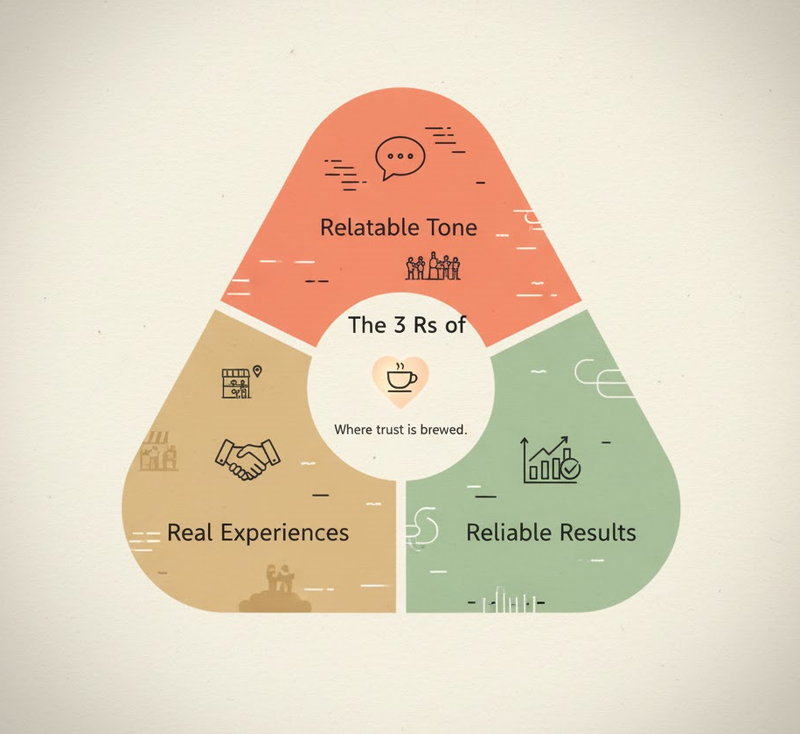
Let’s break it down. The brands people trust today have three things in common , and spoiler: “pretty packaging” isn’t one of them.
- They’re relatable. They sound human , the kind that’d talk to you, not at you.
- They show up. Online is great, but real-world presence still wins hearts.
- They keep promises. They don’t overhype or underdeliver; they quietly do what they said they would.
This is what we call the CupShup triangle of trust , relatable tone, real experiences, reliable results. Simple to say, brutal to execute.
Why Experiential Still Wins
Even in a world of reels and chatbots, the best trust builders are still face-to-face moments. Because you can’t ‘filter’ authenticity in real life.
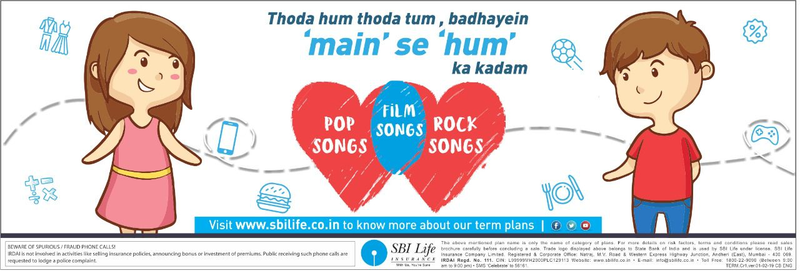
When we worked with SBI Life, the goal wasn’t to push insurance , it was to build emotional connection around “Apne Liye, Apno Ke Liye”. We helped create activations where people shared personal stories about their loved ones and future plans. It wasn’t about policies; it was about purpose. The result? Smiles, stories, and more trust than any billboard could buy.
Same with Xiaomi, where the challenge wasn’t awareness , it was loyalty. We focused on community-driven experiences, tapping into everyday users through society activations and in-store engagements that felt more like meetups than marketing. When people get to experience your product, ask questions, and feel heard , they don’t just remember your brand, they trust it.
That’s what experiential marketing nails , it replaces claims with connection.
Making Brands Relatable
Here’s the thing , trust doesn’t come from perfect storytelling, it comes from familiar storytelling. When people see themselves in your campaign, they lean in.
For Snabbit, a home services brand we worked with, we didn’t go with sleek ads or serious ‘brand tones’. We went straight for real-life relatability. NCR was dealing with a massive maid shortage, and every homeowner had the same frustration. So we showed up exactly where the pain was , societies, gates, corridors , and branded Snabbit with lines that spoke the local truth: “No more maid drama”. It wasn’t fancy. It was real. And it worked.

That’s the trick , people don’t trust what sounds perfect. They trust what sounds familiar.
Trust Is a Marathon, Not a Meme
The hard truth? You can’t ‘go viral’ your way into trust. You can trend, sure. You can get engagement, likes, maybe even a fancy marketing award. But trust , that quiet, steady belief people have in your brand , takes time.
And consistency.
We’ve seen brands try to fast-track credibility by doing one big flashy campaign and then disappearing for six months. That’s like going on one good date and expecting a wedding invite. Trust doesn’t work like that. It’s built in small moments , when your messaging matches your action, when your tone feels familiar, when your campaigns show up where people actually are.
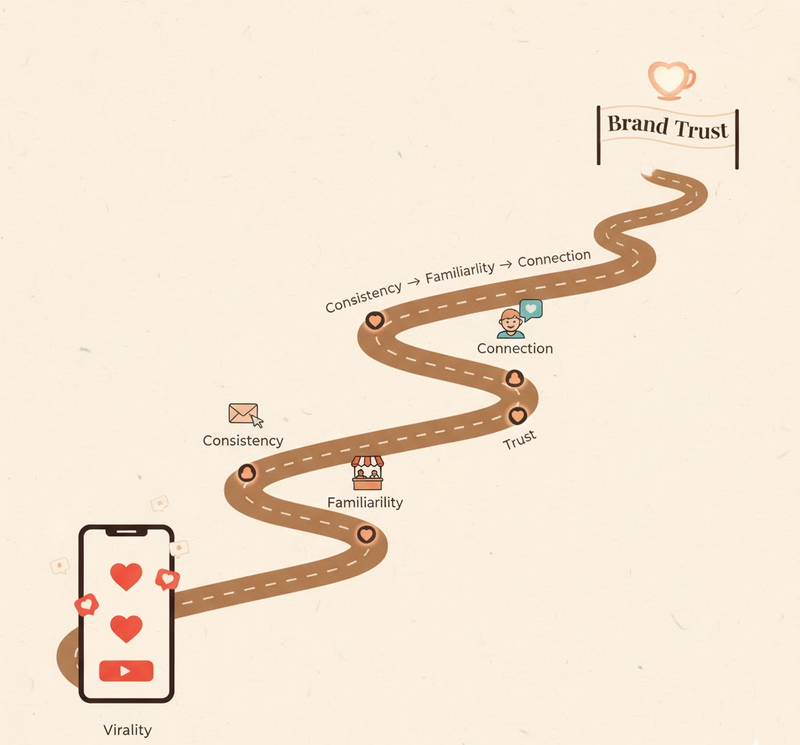
At CupShup, we call this the “continuity of character”, your brand has to behave the same way everywhere. If you’re the friendly one on Instagram, don’t turn into a banker on email. If you’re approachable offline, don’t become a chatbot online. People notice inconsistencies faster than they notice new offers.
When Brands Got It Right
Take Tanishq, for instance. Their storytelling around inclusivity and emotion has made them one of India’s most trusted jewelry brands. Whether it’s celebrating second marriages or breaking stereotypes around rituals, they’ve built trust not by chasing controversy, but by telling the truth , and sticking to it.
Or Asian Paints. They’ve turned something as functional as paint into an emotional symbol of home and memory. Their visuals, tone, and communication are so consistent that even before the logo appears, you know it’s them. That’s not just recognition , that’s reliability dressed as recall.
Read next: Humanise the Machine: How to Give Your Brand Real Persona..., Marketing in the Trust Economy - Why Transparency Is the ..., and Culture Done Right: What Actually Makes a Brand Culturall....
Globally, Patagonia is another great example. They don’t just talk about sustainability; they live it , from their supply chain to their social initiatives. Their message doesn’t change with trends, and that’s exactly why people trust them.
All of these brands share one thing in common: they’ve built an identity people can rely on. Not loud, not desperate , just honest, steady, and human.
The CupShup Way
When we think about building trust for our clients, we don’t start with “what do we want people to buy?”, We start with “what do we want them to believe?”
Why Brands Choose CupShup as Their Brand Communication Agency
CupShup isn't just another brand communication agency — we're a team that's built brand storytelling into the DNA of 10,000+ campaigns across 300+ Indian cities. From data-driven messaging and AI-powered content strategy to multi-channel brand narratives and real-time audience insights, our hybrid creativity + technology approach delivers communications that pure-play agencies can't match.
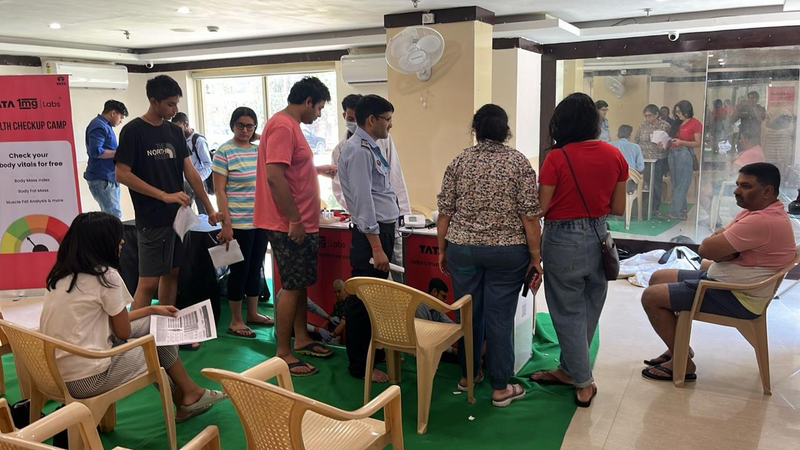
That belief then becomes the anchor for everything , from the campaign story to the tone of a tweet. When we ran campaigns for Tata 1mg, trust wasn’t just the KPI, it was the creative thread. Free health checkups, society activations, doctor interactions , we didn’t tell people to “trust the brand”. We gave them a reason to.
And we’ve learned along the way that trust can’t be outsourced. You can’t just slap “authentic” on your tagline and hope it sticks. It has to show up in the people, the copy, the experiences, even the smallest social post.
Our co-founder Sidharth likes to say, “If people feel like they’ve met your brand before, you’ve already won half the battle”. That’s pretty much our trust philosophy in one line.
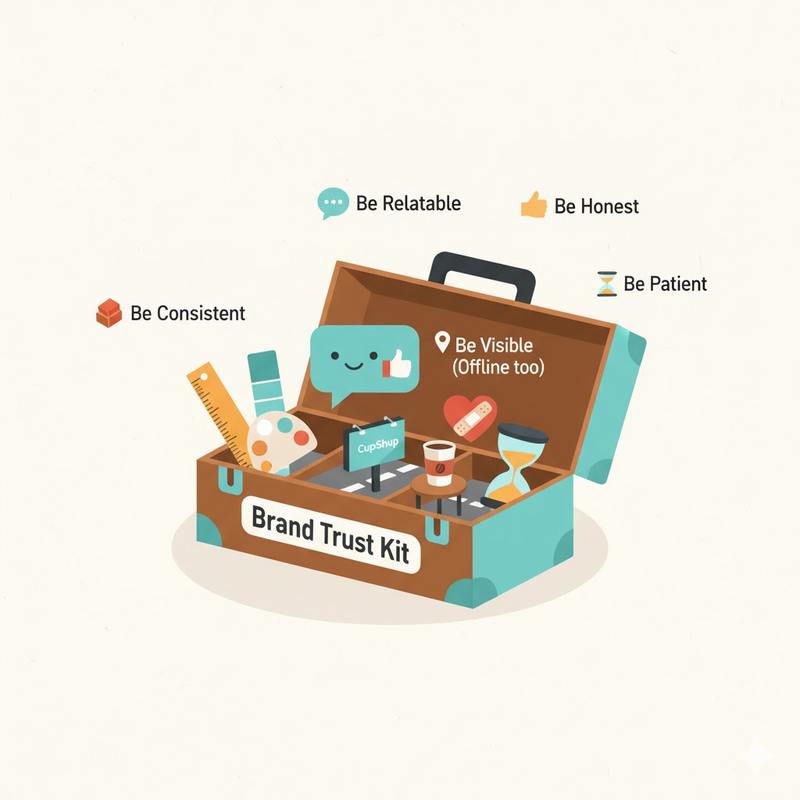
Quick CupShup Checklist: How to Build Brand Trust
- Be Consistent: Your design, tone, and message should sound like the same person wrote them , even if six people did.
- Be Relatable: Speak your audience’s language. No one trusts a brand that sounds like it swallowed a thesaurus.
- Be Visible (Offline too): Experiential touchpoints still matter. Show up where people don’t expect you to.
- Be Honest: If you mess up, own it. Audiences forgive mistakes faster than fakery.
- Be Patient: Trust isn’t built overnight , but it lasts a lot longer than a viral post.
Final Word
In a world full of AI filters, deepfakes, and marketing that sounds suspiciously like astrology (“something amazing is coming soon!”), trust is the real differentiator. It’s not flashy. It’s not fast. But it’s the one thing people still crave , and the one thing you can’t fake.
At CupShup, we’ve built our campaigns around this truth: if you want people to believe your story, make it feel real. Because in a distrustful world, real is revolutionary.
Want to Build Trust That Lasts?
We’d love to help. Visit www.cupshup.co.in to explore how we’ve built authentic campaigns that connect communities, conversations, and credibility , one real interaction at a time.
Ready to Get Started? Talk to CupShup
Whether you're planning a high-impact campaign or looking for a brand communication agency that delivers real results — CupShup's team is ready to help. Book a Free Brand Communication Strategy Call →
50 Integrated Marketing Campaign Ideas
The complete playbook with campaign frameworks, budget templates, and measurement guides for Indian brands.
Instant download + email copy. No spam, ever.
Explore CupShup Services
Brands that read this article also explored these services.
Brand Activation Agency India
Turn brand awareness into real-world engagement with CupShup's 400+ activation track record.
Learn more BrandBrand Strategy Services
Brand identity, positioning, and messaging frameworks built for competitive Indian markets.
Learn more ExperientialExperiential Marketing Agency
End-to-end experiential campaigns that create memorable brand moments and drive measurable ROI.
Learn moreYuvana Singh
Creative Director passionate about storytelling and brand innovation. Yuvana leads CupShup's creative team, bringing fresh perspectives to campaign development and helping brands connect with their audiences through compelling narratives.
Related Stories


Go Deeper with Our Free Guides
Comprehensive, in-depth marketing guides created by CupShup's experts.
The Ultimate Guide to Brand Activation
Everything you need to know about bringing your brand to life, strategies, examples, and frameworks.
The Ultimate Guide to Digital Marketing
Master every channel in the modern digital marketing ecosystem, from SEO to paid media.
The Ultimate Guide to SEO
The definitive guide to search engine optimization, on-page, technical, and link building strategies.