
Humanise the Machine: How to Give Your Brand Real Personality in a Programmatic World

Let’s be honest. Most digital ads today feel like that over-eager friend who just doesn’t take a hint. You look at one pair of sneakers, and suddenly, they’re haunting your Instagram feed like an ex who can’t move on. That’s programmatic advertising in action: efficient, data-obsessed, and sometimes way too clingy.
Wondering how to make your brand sound human, even when your media is automated? CupShup pairs AI-led insight with on-ground creativity, with 10 years and 400+ brands behind us, to help brands sound like themselves everywhere.
But here’s the twist. People don’t connect with pixels; they connect with people. And in a world where every brand is powered by automation, being human is now your biggest flex.
As we like to say, "If your ad can’t make someone smile, pause, or feel seen, it’s not marketing; it’s just noise with a budget".
Welcome to the world where emotion meets automation. Here’s how to make your brand sound like a person, not a push notification.
What is brand personality?
Brand personality is the set of human traits a brand shows in everything it says and does: warm or witty, bold or calm, formal or friendly. It decides how people feel when they meet you, and it is why they can recognise you before they see the logo. It shows up in three places:
- Voice: your brand tone of voice, meaning the words you choose and the rhythm you use.
- Behaviour: how you respond to a complaint, a delay or a joke.
- Experience: how the brand feels in a shop, at a stall or on a society lawn.
The best brand personality examples stay consistent across all three, online and offline. That consistency is the real subject of this post.
Why Humanising Matters (Especially in a Programmatic World)
1. Humanity builds trust, and trust builds long-term brand equity
A humanised brand doesn’t just sell products; it sells purpose. Studies in Frontiers in Psychology show that people trust brands that behave more like humans. That means brands that laugh, empathise, admit mistakes, and don’t talk in corporate tongue-twisters.
HubSpot said it best: without a humanised brand voice, you risk being "a cold, faceless entity". Yuvana once joked during a brainstorm, "Even Google Translate has more personality than some brand emails I’ve read".
People want personality. A brand that can make them feel something, even if that something is nostalgia or laughter, wins the long game. A clear personality is what turns that feeling into a habit.
2. Automation without empathy is just spam
Programmatic ads are great at finding the right people at the right time. But without empathy, they’re like that salesperson who won’t take "I’m just looking” for an answer.
Over-targeted ads can feel intrusive. The problem isn’t the data; it’s the delivery. As Krithika from our marketing team says, "Automation should make your job easier, not make your brand sound like a bot on caffeine".
Use automation to serve, not to stalk. That’s the golden rule.
3. The sweet spot: automate the boring, humanise the brilliant
The magic lies in balance. Use automation for speed and precision, but let humans handle emotion and storytelling.
As Surya says every time we analyse campaign numbers: "The graph can tell you what worked, but it’ll never tell you why people cared".
That’s why data needs heart, and heart needs a bit of data.

🎯 Want a brand voice that actually moves people? Get a free brand strategy conversation from CupShup, backed by 10 years and 400+ brands.
Four Pillars of Humanised Programmatic Brand Activation
If your ads feel robotic, here’s your friendly CupShup-approved reboot plan.
1. Brand Voice & Tone With a Human Core
Your brand’s tone is its personality at a party. You want to be the one people want to hang out with, not the one handing out brochures near the snacks table. Your brand tone of voice is the part of your brand personality people hear first.
Build a "Voice Matrix". Define how your brand sounds when it’s excited, empathetic, funny, or serious. When I was reworking a campaign last month, Sidharth looked at one of our automated banners and said, "Aakriti, this sounds like my Alexa wrote it". Point taken. We reworked it until it sounded like an actual human, playful, relatable, and unmistakably us.
Pro tip: Add conversational flair. Instead of "Limited Time Offer - Buy Now,” try "Hey, your coffee’s getting cold. Want to grab this before it’s gone?”. Same urgency, zero robotic vibes.
A relatable voice doesn’t mean dumbing things down. It means knowing your audience well enough to sound like a friend who gets them. Keep your brand tone of voice friendly and specific, and it will hold up from a banner to a billboard.
2. Empathy-Led Segmentation & Messaging
If data is your compass, empathy is your North Star. Don’t just target people based on clicks. Understand their moods, motivations, and cultural quirks.
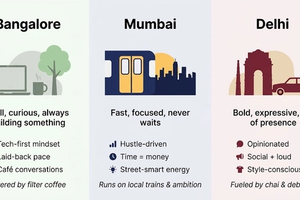
At CupShup, we often use micro-localisation. What works in Delhi won’t always work in Pune, and Mumbai humor is definitely not Bengaluru humor (trust me, we’ve tried). We’ve learned that a pinch of Hinglish and a sprinkle of relatability can do wonders. "Arre yaar” goes a lot farther than "Oops!” when you’re talking to an Indian audience.
Maaz once said during a campaign review, "The data tells us what they’re doing, but the chai tapri tells us why they’re doing it". Couldn’t have put it better.
3. Seamless Offline-to-Online Human Experiences
This is CupShup’s playground, where digital meets dil-se. We call it "From Cups to Conversations". Because real connections don’t stop when the Wi-Fi does.
Imagine you get a cup of chai with a QR code that takes you to a page saying, "Hi Aakriti, hope your day’s as warm as your chai". That’s not tech; that’s thoughtful. And it works because it feels personal.
We’ve tested dynamic QR codes that change by time and weather. If it’s raining, the message says, "Perfect day for chai and charcha, right?” It’s small touches like these that make automation feel human.
4. Measurement Beyond Clicks to Feelings, Relationships, and Resonance
💡 Want a brand built on AI-led insight and human creativity? Request a free brand strategy proposal and see how it works on the ground.
Numbers are great, but feelings are greater. CTRs tell you people saw your ad, but did they feel anything? That’s where the real metrics live.
Divyanshu once told me, "We track conversions like hawks, but how about tracking smiles?”. He’s onto something. Metrics like engagement depth, sentiment score, and advocacy ratio are the new north stars of marketing.
When someone shares your ad saying "this is so me!” congratulations, your campaign just won the internet.

Applying This in the Indian Market: CupShup-Style Blueprint
Step 1: Define Your Brand Persona in Human Terms
Your brand isn’t a company; it’s a character. Give it a sense of humor, a touch of desi charm, and maybe a bit of drama. When we define personas, we literally write them like people, their quirks, their favorite phrases, even how they’d order coffee. (FYI, ours would say, "Ek cup strong, aur creativity thodi zyada".)
Step 2: Build the Hybrid Funnel & Touchpoint Map
In India, the real magic happens where online meets offline. Someone who spots your hoarding near Andheri might get a retargeted ad later that references the same line they saw in traffic. It’s continuity, not coincidence. Geofencing plus humor equals instant recall.
Step 3: Programmatic Creative With Human Layers
Programmatic ads don’t have to be robotic. Use real faces, stories, and moments. We once ran a campaign featuring micro-stories collected from users. Each ad had a real name and a two-line story. It wasn’t just data; it was dialogue.
Step 4: Measure & Optimise for Relationship Metrics
We don’t just measure clicks; we measure conversations. At CupShup, we use something we call the Advocacy Ratio, how many campaign interactions turn into organic mentions or shares. Because if people are talking about you voluntarily, you’re doing something right.
Why Brands Choose CupShup to Build a Human Brand
CupShup is an AI-led, integrated marketing partner for ambitious Indian brands. With 10 years of experience, 400+ brands and 30+ cities, we pair data-led insight with on-ground creativity so your brand shows up the same way online, offline and in media.

Real-World Brand Examples
Look at Tanishq or The Whole Truth Foods, both masters at humanising digital storytelling. They use transparency, culture, and relatability to make their audience feel something. Both are useful brand personality examples: one leans on culture and warmth, the other on plain-spoken transparency.
Or consider ITC Sunfeast Fantastik’s “Raise The Bar”, a genius campaign that turned singles’ Valentines into a healing journey. It wasn’t just advertising; it was a masterclass in blending curiosity with comfort. And yes, people showed up for both the dumping and the celebrating. Good brand personality examples like this one feel like the brand, not like a template.

Three Bold Moves Your Team Should Make This Quarter
1. Audit Your Programmatic Creatives for Face-Lessness
If your ads sound like they were written by Siri, call an emergency brainstorm. Add local slang, micro-jokes, and friendly nudges. The goal is to sound human, not humanoid.
2. Build a Hyperlocal Storytelling Pipeline
Empower your teams to collect local stories. Every street, city, and moment in India has emotion waiting to be bottled up into campaigns. When your audience sees themselves in your story, that’s when you’ve truly cracked humanisation.
3. Switch One Metric From ‘Performance Only’ to ‘Human Connection’
Start tracking HKPIs, Human Key Performance Indicators. These could include emoji reactions, user comments, or "shared with caption” moments. They show how deeply your campaign resonated, not just how widely it reached. Review them each quarter to check whether your brand tone of voice is landing the way you meant it.
A real example: Vicco stays Vicco, in new places
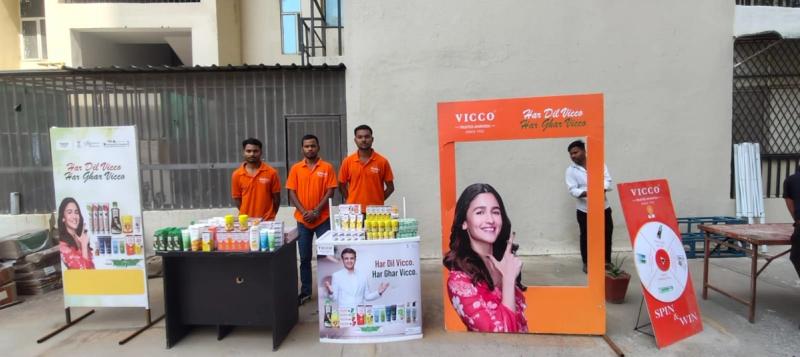
Vicco was a familiar household name that risked fading from modern conversations. CupShup ran a hyperlocal activation for Vicco across 30+ high-engagement societies, built around multi-generational family experiences and authentic community connections, to turn nostalgia into modern relevance. The brand stayed recognisable to the families who grew up with it while meeting new audiences in their own neighbourhoods. Read the Vicco case study. The lesson: a strong brand personality does not need replacing to stay current; it needs to show up in fresh places.
Common questions about giving your brand a personality
What is a brand personality?
It is the consistent set of human traits a brand expresses, such as friendly, confident or playful. It guides your copy, your visuals and the way your team behaves with customers.
What are some good brand personality examples?
Tanishq and The Whole Truth Foods, discussed above, are good brand personality examples: one built on culture and warmth, the other on transparency. Vicco shows how a legacy brand can keep its personality while meeting new audiences.
How do I define a brand tone of voice?
Pick three or four personality traits, then write how each sounds when your brand is excited, empathetic, funny or serious. Test those lines with real customers and keep a short list of do and don't examples so a new writer can match your brand tone of voice on day one.
Final Word
Machines can optimise reach, but only humans can spark relationships. The brands that’ll lead the next decade won’t be the loudest; they’ll be the warmest.
At CupShup, we think of it as a simple loop: plan it smart, run it everywhere, prove it worked. When you move people, the metrics follow.
So, let the bots bid for impressions, but let your humans write the emotions. After all, as Yuvana cheekily said the other day, "Programmatic ho ya parampara, thoda pyaar zaroori hai".
Want to humanise your brand and make your marketing feel more real? Let’s chat over a cup. Reach out to the CupShup crew and let’s brew something unforgettable together.
Ready to turn personality into on-ground experiences? Download the free Brand Activation Guide, a step-by-step walkthrough for bringing your brand to life in the real world.
Need captions that sound like you? Draft posts in your brand tone of voice with the free Caption Writer.
Want help defining your brand personality? Explore our brand strategy services.
Ready to give your brand a voice people remember? Let's talk.
Ready to Get Started? Talk to CupShup
Whether you're planning a high-impact campaign or want a brand voice that stays consistent across channels, CupShup's team is ready to help. Let's talk.
50 Integrated Marketing Campaign Ideas
The complete playbook with campaign frameworks, budget templates, and measurement guides for Indian brands.
Instant download + email copy. No spam, ever.
Explore CupShup Services
Brands that read this article also explored these services.
Brand Activation Agency India
Turn brand awareness into real-world engagement with CupShup's 400+ activation track record.
Learn more BrandBrand Strategy Services
Brand identity, positioning, and messaging frameworks built for competitive Indian markets.
Learn more ExperientialExperiential Marketing Agency
End-to-end experiential campaigns that create memorable brand moments and drive measurable ROI.
Learn moreAakriti Mishra
Senior Marketing Strategist at CupShup with over 8 years of experience in brand activation and integrated marketing campaigns. Aakriti specializes in creating data-driven strategies that deliver measurable results for modern brands.
Related Stories

Go Deeper with Our Free Guides
Comprehensive, in-depth marketing guides created by CupShup's experts.
The Ultimate Guide to Brand Activation
Everything you need to know about bringing your brand to life, strategies, examples, and frameworks.
The Ultimate Guide to Digital Marketing
Master every channel in the modern digital marketing ecosystem, from SEO to paid media.
The Ultimate Guide to SEO
The definitive guide to search engine optimization, on-page, technical, and link building strategies.