
Community Marketing Strategy: How to Build Campaigns Around Participation
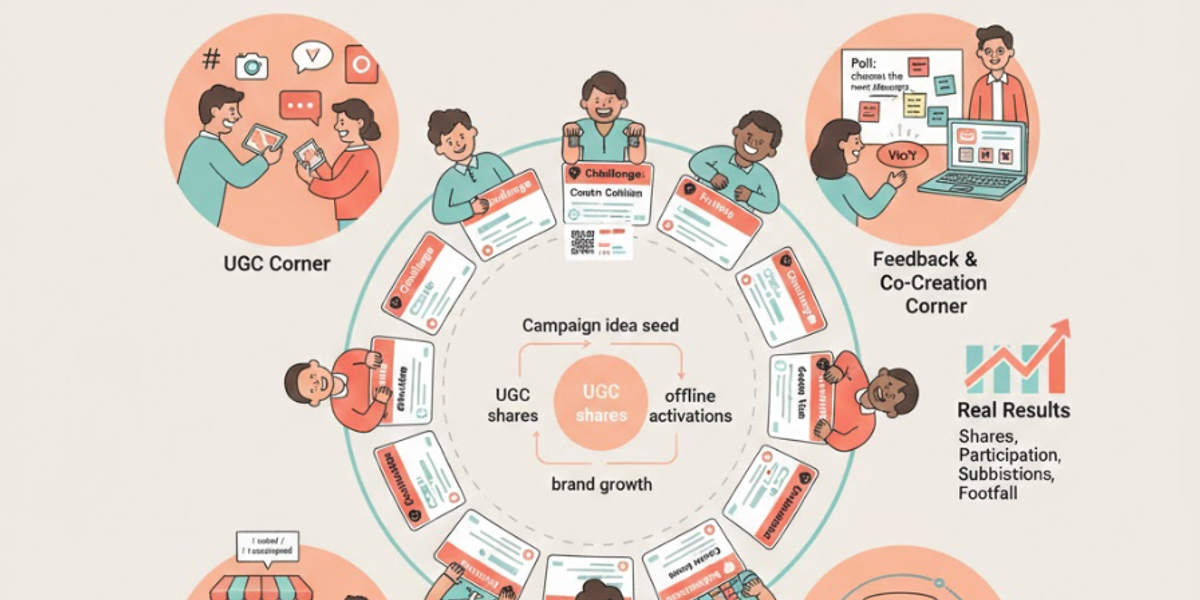
Quick answer: community marketing means building spaces and rituals where people take part with your brand and with each other, instead of only watching your ads. It builds brand loyalty because people return for the people and moments, not for a discount.
Not too long ago, marketing success meant impressions, clicks, and who could shout the loudest. Aaj scene thoda badal gaya hai. The brands actually winning today are not louder, they are closer. They are the ones people feel connected to, not interrupted by. Real engagement today does not come from volume, it comes from relevance.
Looking for a social media marketing agency that drives real business results? Cupshup combines AI-powered analytics with creative storytelling to build social media strategies that convert followers into customers.
That is where community-led marketing steps in. Not as a trend, not as a tactic, but as a mindset shift in how marketing is designed. From campaigns built for people to ecosystems built with them. From talking at customers to sitting beside them. From “look at us” to “come join us”. From passive views to active participation.
And no, this is not about launching one Telegram group and calling it community. It is deeper. Much deeper.
What Community-Led Marketing Actually Means
At its simplest, community-led marketing is about letting people in.
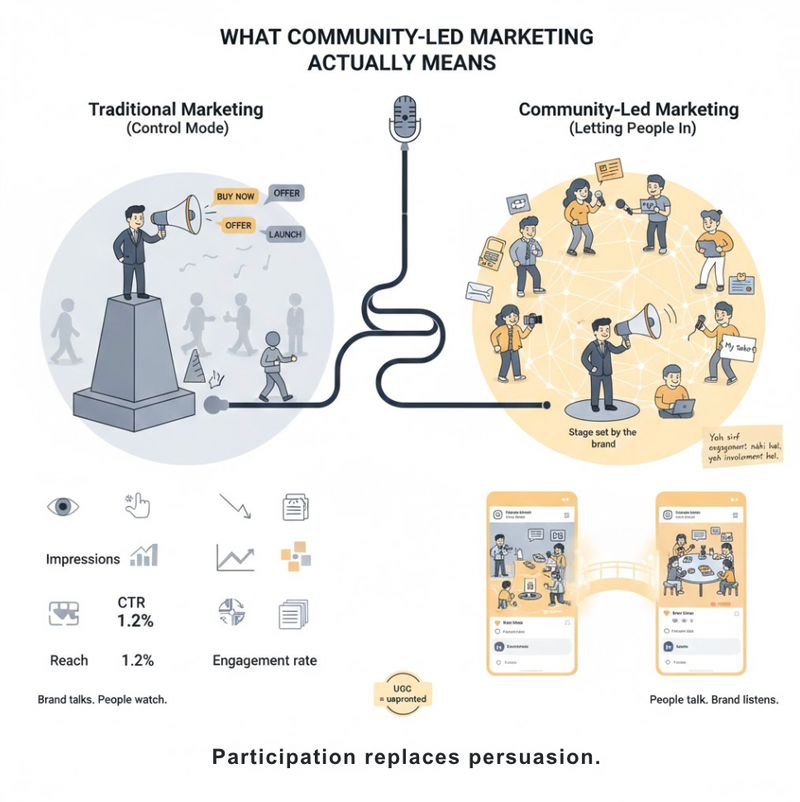
Traditional marketing runs on control. The brand decides what to say, when to say it, and where to say it. The audience listens. Or scrolls past. Engagement is measured, but rarely felt.
Community-led marketing changes that equation. The brand still sets the stage, but the people decide how the story unfolds. You lead the room, but you do not hog the mic. Participation replaces persuasion.
Instead of seeing people as eyeballs or users, you see them as participants. They get a voice. They get influence. They feel a sense of ownership. Yeh sirf engagement nahi hai, yeh involvement hai. This is where real UGC starts showing up naturally, not because you asked for it, but because people want to contribute.
Anyone who has spent enough years in marketing learns this the hard way:
People do not build relationships with brands. They build relationships with other people who share the same taste, values, or obsession.
Your role as a marketer is not to chase attention endlessly. It is to design moments where those connections can happen naturally, both offline online.
Why This Shift Is Happening Now
This shift is not happening because it sounds cool. It is happening because the old ways are cracking.
Attention today is expensive and short-lived. Loyalty programs are everywhere and feel the same. Ads are skipped without a second thought. Log ads ko skip kar dete hai, par apne jaise logon ki baat sunte hai.
Communities fill this gap beautifully in modern marketing.
They keep working even when ad spends slow down. They generate honest feedback without long surveys. They fuel UGC that feels authentic. Most importantly, they help brands become part of everyday life, not just part of a purchase.
That is why communities now influence product tweaks, content ideas, offline online activations, and even how employees talk about the brand. They are no longer side projects run “when time permits”. They are long-term growth engines that reward patience and consistency.
How Community-Led Marketing Works in Practice
Let us clear one big misunderstanding first. Community is not a platform.
Community is a behaviour. It can exist in Instagram comments, office corridors, WhatsApp groups, events, or recurring meet-ups. Jahan log baar-baar mil rahe hai aur kuch common share kar rahe hai, wahin community hai. Strong engagement travels across offline online touchpoints.
Participation also needs a clear reason. People do not join just because a brand asks politely. They join when participation gives them something meaningful. Status, identity, access, or influence. Kabhi FOMO, kabhi pride. This is where experiential marketing quietly does its job.
Strong communities are designed with roles in mind. Some people contribute ideas. Some become insiders. Some act as champions. Some simply show up regularly. When people know why they are there, engagement feels easy instead of forced, and UGC flows without prompts.
Another lesson experience teaches you quickly is this: communities survive on rituals, not rewards. Discounts disappear. Rituals stay. Regular moments, inside jokes, familiar formats, predictable touchpoints. Consistency beats virality every single time. Ek baar ka hype is easy. Baar-baar ka habit is where real marketing value lives.
Real Brands That Got It Right
Many strong community and experiential marketing plays did not look flashy. They were well thought out.
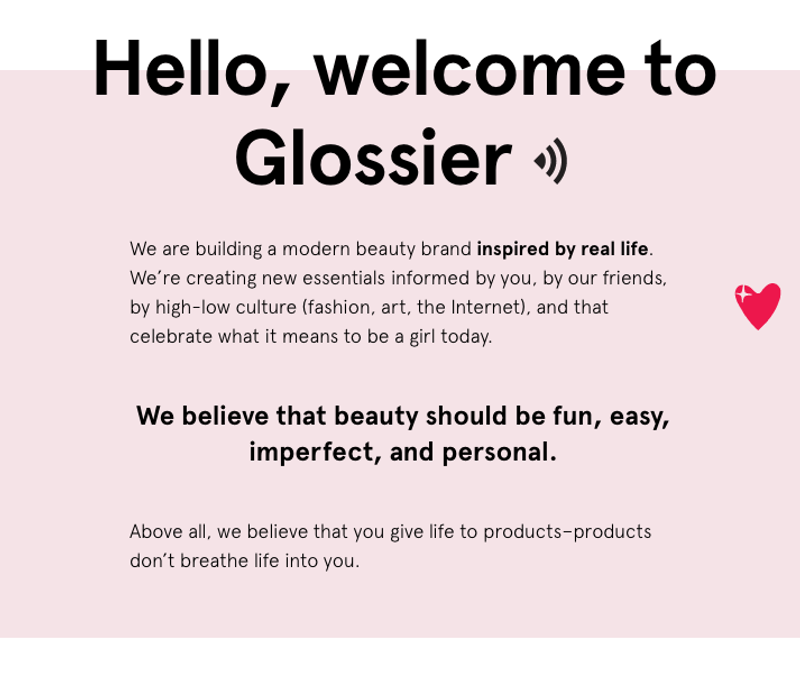
Glossier built its community even before it became a beauty giant. Through Into The Gloss, it listened closely to real people talking about beauty in their own words. Those conversations shaped products, tone, and visuals. Customers did not just feel sold to. Unhone feel kiya ki yeh product thoda sa unka bhi hai. That feeling of ownership turned buyers into loyal advocates and consistent UGC creators.
Lululemon Athletica chose connection over constant advertising. Its stores became community hubs. Local fitness instructors became familiar faces. The brand positioned itself as part of people’s wellness routine, not just their wardrobe. Loyalty came from shared sweat, not catchy taglines, a classic case of offline online engagement done right.
Then there is a very context-driven example closer home.
Read next: Virality vs. Longevity: Which Should Brands Chase?, User Generated Content Marketing: When Fans Become Your B..., and Why Brands Still Use Facebook?.
When Disney+ Hotstar worked with Cupshup, the goal was not to push another content message. Cupshup turned office spaces into participation zones. Games, trivia, and shared interactions invited employees to join in willingly. The office became a temporary community, with Hotstar at the center of conversation, not communication.
What made this experiential marketing work was focus. It did not try to be everywhere. It tried to be relevant right there. People did not feel marketed to. Unko laga, “yeh toh humare liye hai”.
Practical Tips from the Field
Why Brands Choose Cupshup as Their Social Media Marketing Agency
Cupshup isn't just another social media marketing agency — we use AI-driven insights to identify trending content opportunities, optimise posting schedules, and create thumb-stopping creatives. With 10,000+ campaigns executed across 30+ cities, our social media strategies are backed by real performance data, not guesswork.
This is where experience really matters in community-led marketing.
Always design for talkability. Ask yourself what people will tell others after the experience. If it cannot be shared casually over chai, it will not travel far or generate organic engagement.
Know when to go offline. Digital spaces are crowded and noisy. Physical experiences, even small ones, create stronger memory and recall. Kabhi-kabhi ek achha offline moment beats ten online impressions and fuels better participation later.
Measure the right signals. Community success rarely shows up immediately in dashboards. Look for organic mentions, repeat participation, community-created content, and employees speaking like fans. Sales usually follow quietly.
And finally, resist the urge to over-brand everything. The fastest way to kill participation is to make it feel like a sales pitch. Strong communities work when the brand behaves like a host, not a sponsor.
The Real Takeaway
Community-led marketing is not about losing control. It is about sharing relevance.
The brands that will win in the long run are not the ones shouting the loudest. They are the ones creating spaces people want to be part of, both offline online.
Because when people participate, they do more than remember you.
Woh aapke liye cheer karte hai. And that kind of engagement cannot be bought, only built.
Want to build community-led, experiential marketing that drives real participation and UGC?
Explore more insights on our blog or follow Cupshup on LinkedIn to see how we turn offline online moments into conversations that travel.
Or drop us a line at contact@cupshup.co.in and let’s create something people actually want to show up for.
Get Started with Cupshup Today
Ready to see real results? Book a Free Social Media Strategy Call → Join 400+ brands that trust Cupshup.
Frequently asked questions
How is community marketing different from influencer marketing?
Influencer marketing borrows someone else's audience for a campaign. Community marketing builds your own group of people who keep showing up. The two work well together: micro influencers can seed a community, but the community has to give people a reason to stay once the campaign ends.
Can a small brand build a community without a big budget?
Yes. The post's point is that community is a behaviour, not a platform. A WhatsApp group, a recurring meet-up or a regular format on Instagram can start it. What matters is a clear reason to join and rituals that repeat, not spend.
How do you know a community is working?
Look for organic mentions, repeat participation, content that members create themselves, and people speaking like fans. These rarely show up in a dashboard straight away, so track them over weeks, not days.
Does community marketing build brand loyalty?
It can, because people build relationships with other people who share their taste or values, and the brand sits at the centre of that. Loyalty comes from shared routines and a sense of ownership, which a discount alone does not create.
Community marketing in the age of AI search
More buyers now ask ChatGPT, Gemini, Perplexity or Google's AI answers for ideas and recommendations before they visit any brand page. These tools lean on what real people say about a brand: reviews, forum threads, creator posts and mentions on other sites. A strong community produces exactly that kind of honest, specific talk, which is why community work now helps you be named, not just liked. The flip side is that if the conversation about your category is happening without you, a competitor may be the one an AI names.
Three habits help. For SEO (being found), publish pages that describe your community, its formats and its outcomes in plain words. For AEO (being the quotable answer), give those pages a clear answer up top and a short FAQ. For GEO (being mentioned and cited), keep your brand facts consistent everywhere and encourage members to talk about you on other sites, for example in reviews and creator posts. Nobody controls what an AI mentions, and these steps do not guarantee a mention, but they make you easier to find, read and trust. The free AI visibility audit and the free SEO audit show where you stand today.
To build this in practice, our social media management and influencer marketing teams plan communities alongside on-ground brand activation, and the free SEO audit shows how findable your community content already is.
Check where you stand: get a free AI visibility audit, run the free SEO audit, or take the five-question AI visibility check.
50 Integrated Marketing Campaign Ideas
The complete playbook with campaign frameworks, budget templates, and measurement guides for Indian brands.
Instant download + email copy. No spam, ever.
Community Marketing: Related Resources
Explore more about community-led marketing with these related resources from CupShup.
Influencer Marketing
Leverage influencer partnerships alongside community strategies
Brand Activation Agency
Build communities through on-ground brand activation events
When Fans Do Your Marketing
How user-generated content powers brand growth
Skippi Nostalgia Campaign
How Skippi built a community through nostalgia-driven activations
Explore CupShup Services
Brands that read this article also explored these services.
Brand Activation Agency India
Turn brand awareness into real-world engagement with CupShup's 400+ activation track record.
Learn more BrandBrand Strategy Services
Brand identity, positioning, and messaging frameworks built for competitive Indian markets.
Learn more SocialSocial Media Management
Strategy, content creation, and community management across Instagram, LinkedIn, and more.
Learn moreAakriti Mishra
Senior Marketing Strategist at CupShup with over 8 years of experience in brand activation and integrated marketing campaigns. Aakriti specializes in creating data-driven strategies that deliver measurable results for modern brands.
Related Stories


Go Deeper with Our Free Guides
Comprehensive, in-depth marketing guides created by CupShup's experts.
The Ultimate Guide to Brand Activation
Everything you need to know about bringing your brand to life, strategies, examples, and frameworks.
The Ultimate Guide to Digital Marketing
Master every channel in the modern digital marketing ecosystem, from SEO to paid media.
The Ultimate Guide to SEO
The definitive guide to search engine optimization, on-page, technical, and link building strategies.