
Inside the Playbook: How Brands Can Measure the Impact of Experiential Campaigns
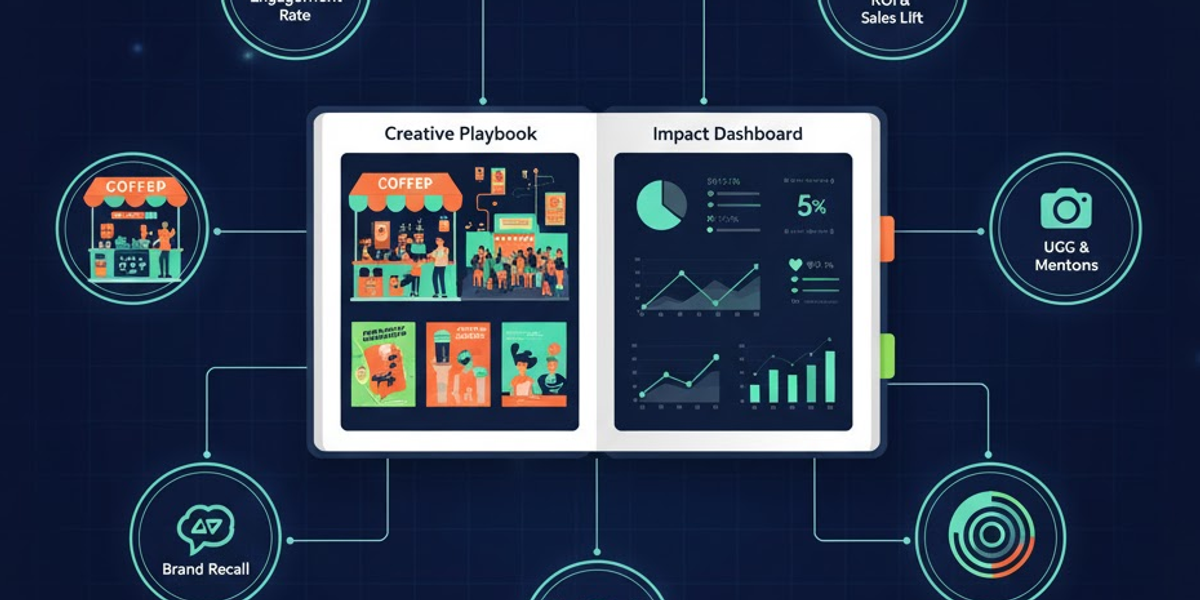
Here’s the thing about experiential marketing, it’s often the loudest kind of silence. You can see people lining up, you can feel the energy, but when it comes to proving it on a report, you’re stuck thinking, “So... how do I measure goosebumps?”
Looking for a performance marketing agency that delivers measurable results, not just impressions? CupShup combines data-driven performance marketing with on-ground activation across 10,000+ campaigns, helping brands optimize spend, maximize ROI, and scale what actually works.
That’s the love-hate relationship every marketer has with experiences. They create magic in real time, but try squeezing that magic into an Excel cell and you’ll see where the heartbreak begins.
At CupShup, we’ve learned this lesson in the most unglamorous way possible, by staring at dashboards at 11 p.m. and wondering why the campaign that got people dancing, sampling, and filming reels wasn’t reflecting the same energy in numbers. And the truth? Experiential success isn’t a single metric , it’s a symphony.
What Really Counts
If you only count how many people showed up, you’ll miss the people who stayed. If you only measure leads, you’ll miss the ones who came back the next week asking for more. And if you only chase impressions, you’ll miss the conversations that actually changed brand perception.
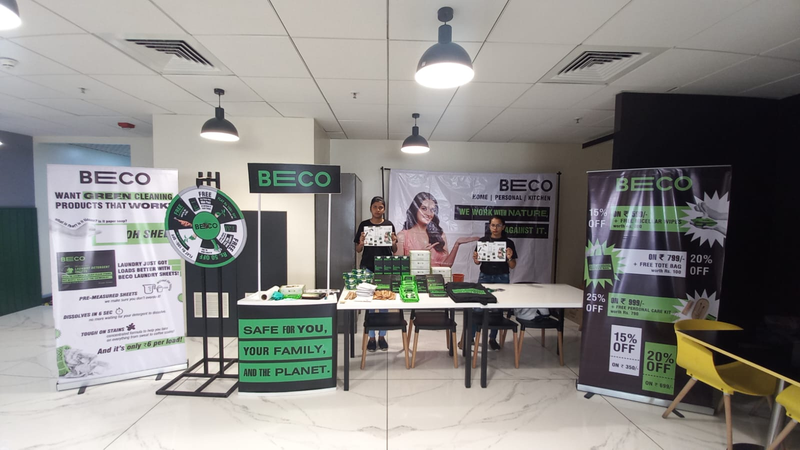
When we activated Beco’s sustainable home-care campaign, the real win wasn’t just the 3,000 samples distributed. It was when residents messaged weeks later saying they’d switched permanently to eco-friendly products. You can’t chart that kind of recall on a graph , but it’s gold.
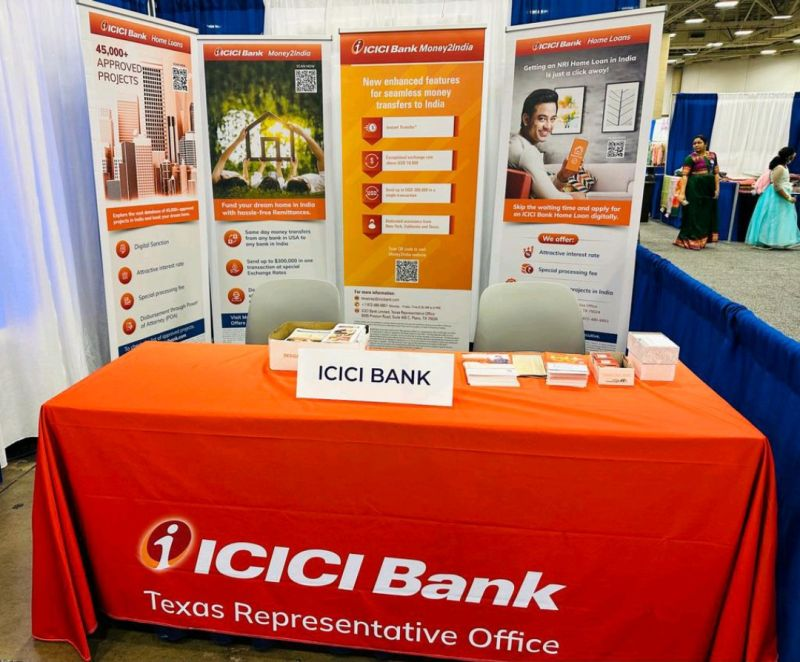
Similarly, for ICICI Prudential, we didn’t just log footfall; we measured engagement, literally counting how long people spent at our financial literacy kiosks, and what questions they asked. Those ‘unquantifiable’ insights later helped shape their next round of communication.
So if you ask us what matters most, here’s our quick cheat sheet:
- Engagement Quality: Not just who attended, but who interacted.
- Brand Recall: What stuck in their mind after the event?
- Behavior Change: Did they try, trust, or talk about the brand afterward?
- Social Echo: Did people post, tag, and share the experience online?
- Conversion Trail: Did any of it lead to tangible action later , downloads, sign-ups, purchases?
A good campaign gives you numbers. A great one gives you stories behind those numbers.
The CupShup Way of Measuring
Now, let’s be honest. Even the best activations can look “meh” if you’re measuring the wrong things. That’s why we built our own CupShup Campaign Dashboard , a live tracker that pulls in real-time data from every activation. Footfall, engagement, social mentions, lead quality , all stacked neatly so you can see the story unfolding as it happens.
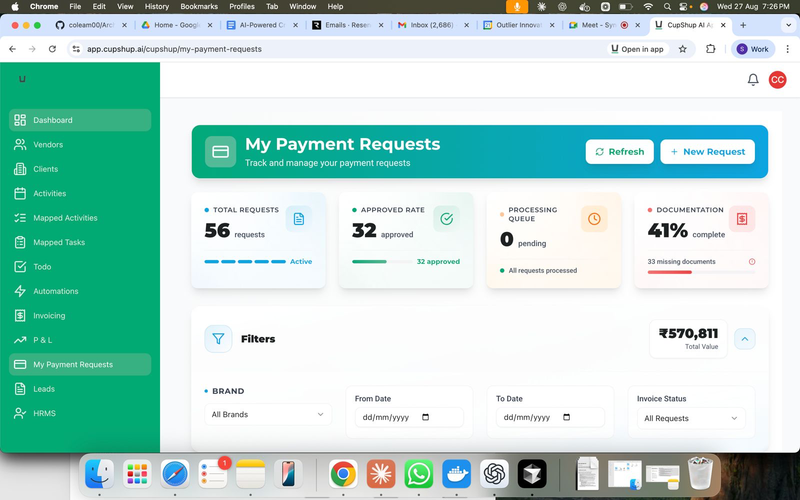
It’s part analytics, part adrenaline. You can watch in-store engagement spike when a micro-influencer drops by or see how QR scans rise right after an emcee game begins.
But Sourav, our co-founder, says it best: “Dashboards show data, not delight”. And that’s the truth. You can measure attendance, not awe. That’s why we always balance dashboards with ground stories, videos, post-event surveys, even good old observation notes from promoters.
Because sometimes, the biggest impact comes from the smallest details , the kid who drags his parents to a stall because the mascot looked fun, or the resident who becomes a repeat buyer because they enjoyed a demo at a society event. Those are micro-metrics that matter, even if they don’t fit neatly into formulas.
Turning Metrics Into Meaning
When you start measuring experiences the right way, patterns begin to emerge. You’ll know which touchpoints spark curiosity, which messages convert interest into trust, and which formats people genuinely remember.
We saw this firsthand during our sustainability drives for Beco and financial engagement pop-ups for ICICI Prudential, both wildly different in purpose, yet unified by one metric that mattered most: connection. The more time people spent doing rather than just seeing, the higher the recall, the better the conversion, and the richer the data for future campaigns.
At that point, measurement stops being about proving ROI , it becomes about understanding why people cared in the first place.
Where Brands Often Miss the Mark
Most brands treat experiential campaigns like one-night stands, great energy, no follow-up. They spend crores on decor, sound, and snacks, but forget to collect insights beyond “people looked happy”. The problem isn’t execution; it’s evaluation.
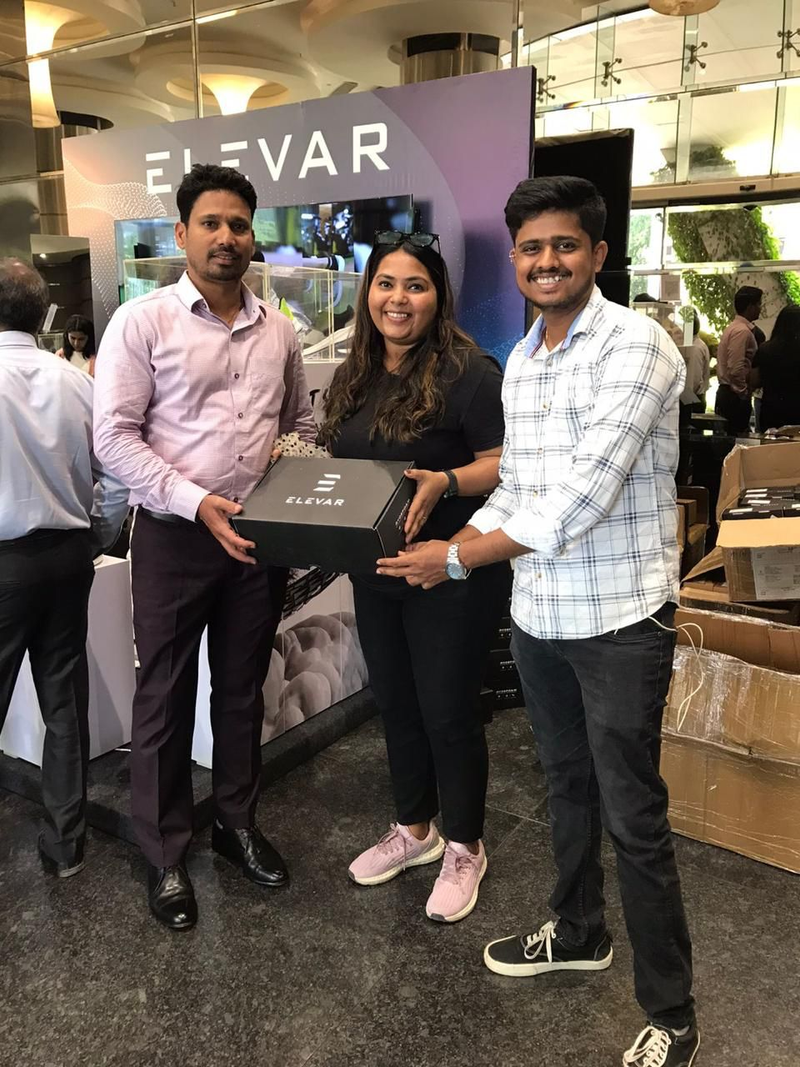
When Elevar, a sports footwear brand, ran community fitness events with us, we learned that the real magic wasn’t in counting how many people came to jog, but how many stayed to talk about their running struggles, injuries, and what makes a shoe feel ‘right’. That’s the difference between vanity metrics and valuable ones.
Similarly, GUVI, an ed-tech platform we activated across colleges, didn’t just want footfall. They wanted to know what kind of students lingered after sessions, asked about course modules, or followed up on WhatsApp. Because those aren’t just visitors, they’re warm leads shaped by experience.
The learning? The post-event phase is where most brands drop the ball. They pack up the stage, turn off the mic, and lose the most actionable data.
So here’s what we always say at CupShup: Your campaign doesn’t end when the tent folds , it ends when you understand what changed.
What To Measure (That You Probably Aren’t)
Read next: Dashboards That Actually Help You Decide What to Do Next, How to Measure Marketing ROI (Without Losing Your Mind), and Why BTL Is Becoming the New Performance Marketing.
Read next: Dashboards That Actually Help You Decide What to Do Next, How to Measure Marketing ROI (Without Losing Your Mind), and Why BTL Is Becoming the New Performance Marketing.
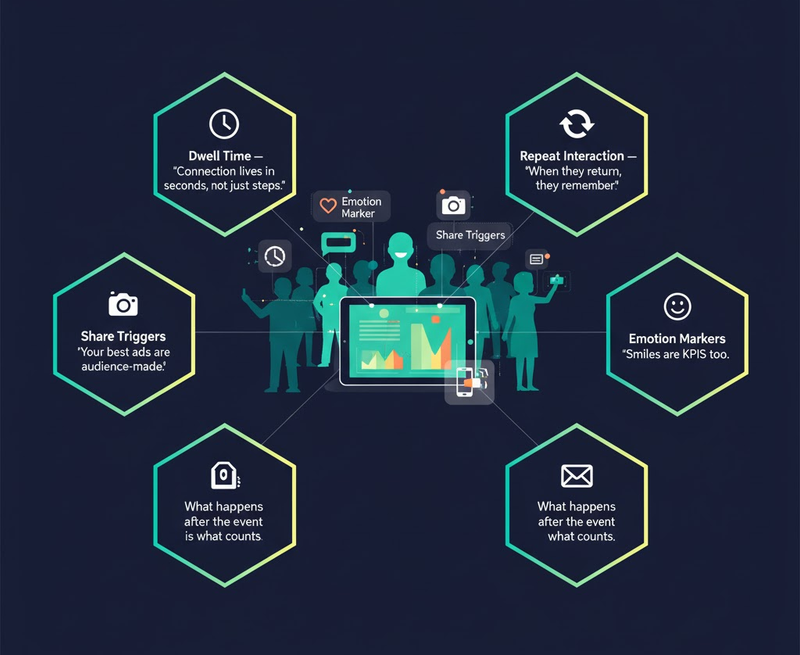
While everyone’s obsessed with ‘footfall’ and ‘impressions’, here are the unsung heroes of experiential measurement , the metrics that actually tell you if people felt something.
- Dwell Time: How long did people stay at your booth or event zone? Longer doesn’t just mean interest , it signals connection.
- Repeat Interaction: Did visitors come back again during the event? That’s recall happening in real time.
- Share Triggers: Which specific moments did people record, post, or talk about online? That’s your word-of-mouth currency.
- Emotion Markers: Were people smiling, laughing, or reacting on cue? These micro-behaviors predict whether they’ll remember your brand later.
Why Brands Choose CupShup as Their Performance Marketing Agency
CupShup isn't just another performance marketing agency — we're a team that's built performance thinking into the DNA of 10,000+ brand activations across 300+ Indian cities. From hyper-targeted campaign planning and real-time ROI dashboards to conversion-optimized activations and AI-powered audience insights, our hybrid performance + experiential approach delivers results that pure-play digital agencies can't match.
- Post-Event Engagement: Are those same attendees clicking on your ads, scanning QR codes, or signing up days later? That’s your delayed ROI.
Good experiential strategy is half art, half data science , and the best brands learn to read between both.
From Metrics to Momentum
Here’s where it all comes together. The smartest brands don’t just measure engagement; they build systems around it.
At CupShup, our Campaign Dashboard tracks engagement in real time , but what we really do with that data is where the impact multiplies. We turn those insights into future strategy.
If Elevar’s running sessions worked best in early mornings, we replicate that time slot. If GUVI saw 3x better engagement in tech colleges than business ones, we narrow future targeting. Over time, the campaign stops being a one-off event and becomes part of a brand’s evolving marketing intelligence.
And sometimes, the best insights aren’t from numbers at all , they’re from the ground team. One of our promoters once told us, “People love free samples, but they love taking selfies with them even more”. That single observation became the basis for designing photo-friendly sampling zones for future events , a small tweak that boosted online buzz by 40%.
That’s what experiential measurement should look like , not just tallying, but translating.
The CupShup Take
We’ve come to believe that measuring experiential marketing is a lot like decoding human behavior: messy, emotional, and incredibly insightful once you stop forcing it into tidy boxes.
Our dashboard gives the numbers. Our team gives the nuance. Together, they help us (and our clients) see what truly matters , not just how many came, but how many cared.
Because the ROI of experience isn’t just “return on investment”; it’s “return on interaction”.
Want to Measure the Magic?
We turn live moments into measurable impact. Visit cupshup.co.in to see how we’ve helped brands like Beco, ICICI Prudential, and Elevar turn their events into long-term momentum - and let’s make your next campaign unforgettable and trackable.
Ready to Get Started? Talk to CupShup
Whether you're planning a high-ROI campaign, optimizing your marketing spend, or looking for a performance marketing partner who gets results — CupShup's team is ready to help. Book a Free Performance Marketing Strategy Call →
50 Integrated Marketing Campaign Ideas
The complete playbook with campaign frameworks, budget templates, and measurement guides for Indian brands.
Instant download + email copy. No spam, ever.
Explore CupShup Services
Brands that read this article also explored these services.
AI Digital Marketing Agency
AI-powered campaign strategy, content, and performance optimization for growth-stage brands.
Learn more MarTechTechnology Marketing Agency
Marketing tech infrastructure, automation, data pipelines, and martech integration.
Learn more ExperientialExperiential Marketing Agency India
Immersive brand experiences, pop-ups, product launches, live demos, and phygital events.
Learn moreYuvana Singh
Creative Director passionate about storytelling and brand innovation. Yuvana leads CupShup's creative team, bringing fresh perspectives to campaign development and helping brands connect with their audiences through compelling narratives.
Related Stories
Go Deeper with Our Free Guides
Comprehensive, in-depth marketing guides created by CupShup's experts.
The Ultimate Guide to Brand Activation
Everything you need to know about bringing your brand to life, strategies, examples, and frameworks.
The Ultimate Guide to Digital Marketing
Master every channel in the modern digital marketing ecosystem, from SEO to paid media.
The Ultimate Guide to SEO
The definitive guide to search engine optimization, on-page, technical, and link building strategies.