
FMCG Marketing & Trade Marketing in India: A 2026 Guide
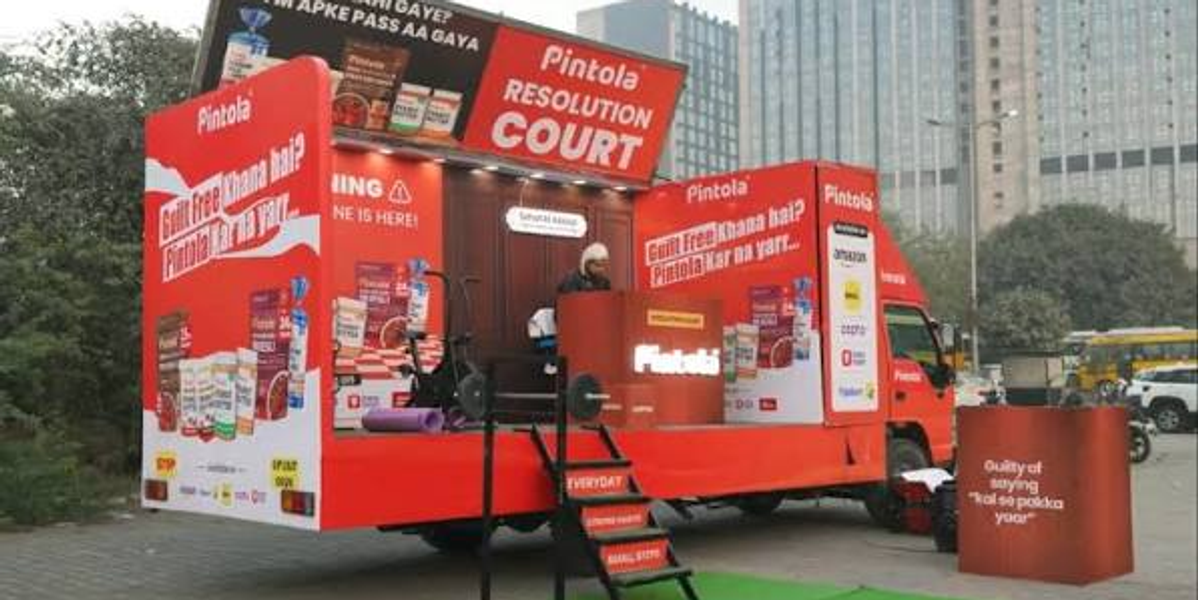
Trade marketing India is the work that happens between a brand and the channel that sells it: distributors, wholesalers, and retailers. In India, where general trade still drives the majority of FMCG sales across millions of kirana stores, channel marketing is often the difference between a product that moves and one that gathers dust on a shelf. This guide explains what the trade play is, why it matters in India, the core activities, and how it connects to modern on-ground and digital execution. In India, retail execution is really fmcg marketing at the shelf where the purchase happens. Start with the trade marketing meaning: marketing aimed at the channel, not the consumer.
What Is Trade Marketing?
Trade marketing India is a B2B discipline aimed at the supply chain rather than the end consumer. Its goal is to ensure a product is stocked, visible, and pushed at every point between the factory and the shopper. Where consumer marketing pulls demand from the top, trade marketing india pushes product through the channel from below. The heart of fmcg marketing is availability, visibility, and trial in the store. Getting the trade marketing meaning right reframes the whole budget.
In India that channel is vast and fragmented: super-stockists, distributors, wholesalers, and an estimated 12+ million retail outlets, most of them small kirana stores. Winning here is about relationships, incentives, visibility, and relentless on-ground execution. Good fmcg marketing turns distribution into demand. The trade marketing meaning becomes obvious once you walk a single kirana route.
Why Trade Marketing Matters in India
- General trade dominates. Despite the rise of modern and quick commerce, the bulk of FMCG volume still flows through general trade.
- Shelf space is contested. A small store stocks a limited range. Trade marketing India earns and defends that space.
- Distribution is the moat. Brands win on availability as much as on advertising. If it is not on the shelf, it is not sold.
- Influence at the counter. The retailer's recommendation often decides the sale, especially in unbranded or low-loyalty categories.
Core Activities That Drive Sell-Through
- Retailer incentives. What it does: Reward stocking and sell-through; Who it targets: Retailers
- Point-of-sale branding. What it does: Win visibility at the shelf; Who it targets: Shoppers, via the store
- Distributor schemes. What it does: Drive primary and secondary sales; Who it targets: Distributors, wholesalers
- Merchandising and planograms. What it does: Optimise shelf presence; Who it targets: Retailers
- Retailer education. What it does: Build product knowledge and advocacy; Who it targets: Retailers
- Beat and route execution. What it does: Ensure coverage and availability; Who it targets: The full channel
Every fmcg marketing plan lives or dies on execution at the point of sale.
Increasingly, brands run retailer engagement through whatsapp marketing: order taking, scheme communication, and loyalty programmes delivered straight to the retailer's phone, which is far cheaper and faster than field-only contact. This is why fmcg marketing and retail marketing are inseparable in India.
Trade Marketing vs Consumer Marketing
- Target. Trade marketing India: Channel (distributors, retailers); Consumer marketing: End shopper
- Goal. Trade marketing: Availability and push; Consumer marketing: Demand and pull
- Tactics. Trade marketing: Incentives, POS, schemes; Consumer marketing: Advertising, activation, content
- Measurement. Channel marketing: Stocking, sell-through, coverage; Consumer marketing: Awareness, trial, sales
CupShup runs fmcg marketing programmes across 50+ cities.
The two are not rivals. A pull campaign that creates demand fails if the product is not on the shelf, and a perfectly stocked shelf underperforms if no one wants the product. The best programmes synchronise both, often supported by a content marketing agency for the consumer side and a strong field and trade operation for the channel side.
How It Connects to On-Ground and Digital
Modern trade marketing India is no longer paper schemes and manual beat books. It runs on data: distributor apps, retailer WhatsApp programmes, real-time coverage dashboards, and on-ground teams that execute and verify. Connect that to consumer activation and you get a closed loop, demand created at the shopper level and availability guaranteed at the shelf.
For the related on-ground discipline, see our complete BTL marketing guide and the 7 BTL activities that move numbers.
Trade and Retail Activation in Action
Trade marketing India proves itself at the shelf and the counter. These campaigns show channel and retail execution done right.
- Legacy brand at retail. The Vicco legacy-brand hyperlocal activation reconnected an established brand with retailers and shoppers at the local level.
- Retail footfall to trial. The Bata hyperlocal retail activation turned store-level presence into measurable trial.
- Shelf-level reframing. The Marico Pav Bhaji Oats activation won the buying decision right at the point of purchase.
The common thread: availability plus visibility plus a reason to buy, executed on the ground and measured.
Trade Marketing Channels in India
- General trade (kirana). Share of trade: Largest by volume; What it needs: Beat coverage, retailer incentives, POS
- Modern trade (supermarkets). Share of trade: Growing; What it needs: Planograms, in-store activation
- Quick commerce. Share of trade: Fastest growing; What it needs: Listing, visibility, hyperlocal demand
- Wholesale and B2B. Share of trade: Bulk movement; What it needs: Distributor schemes, credit terms
A modern trade marketing india plan covers all four, with on-ground teams for general trade and digital tools for ordering, schemes, and coverage tracking.
Work With CupShup
CupShup runs on-ground, trade, and digital execution for 400+ brands across 50+ Indian cities. Our brand activation team works alongside our content marketing agency to plan channel and consumer programmes around measurable outcomes and connect them to digital follow-up.
Want channel marketing that is executed and measured on the ground? Talk to CupShup.
FMCG Channel Playbook: What to Remember
Trade marketing India success comes down to availability plus visibility plus a reason to buy. A strong channel marketing in India plan covers general trade, modern trade, and quick commerce, executed on the ground and measured. Done well, the trade play in India turns shelf presence into sell-through, not just stocking.
Scaling It Digitally in India
The strongest retail marketing in India now extends past the shelf into the retailer's phone. whatsapp marketing keeps distributors and store owners informed about schemes and stock in real time, while a content marketing agency builds the trade communication that travels through the channel. A content marketing agency can localise that material, and whatsapp marketing delivers it instantly to thousands of outlets. Pairing shelf marketing in India with whatsapp marketing turns a one-time push into an always-on relationship. CupShup connects retail activation with WhatsApp and content so this discipline in India keeps compounding.
Frequently Asked Questions
What is trade marketing in simple terms?
channel marketing is B2B marketing aimed at the supply chain, distributors, wholesalers, and retailers, to make sure a product is stocked, visible, and actively sold at every point between the brand and the shopper.
Why does it matter for FMCG brands in India?
Because general trade and millions of small kirana stores still drive most FMCG sales. this discipline wins and defends shelf space and availability, which is often decisive for sales.
What is the difference between trade marketing and consumer marketing?
Retail marketing targets the channel to push product and ensure availability. Consumer marketing targets the end shopper to create demand, often through a content marketing agency. Strong brands synchronise both.
What are common channel-marketing activities?
Retailer incentives, point-of-sale branding, distributor schemes, merchandising and planograms, retailer education, and beat or route execution to ensure coverage.
How does digital fit into the channel play?
Through distributor apps, WhatsApp retailer programmes, and real-time coverage dashboards that make schemes, ordering, and loyalty faster and cheaper than field-only contact.
50 Integrated Marketing Campaign Ideas
The complete playbook with campaign frameworks, budget templates, and measurement guides for Indian brands.
Instant download + email copy. No spam, ever.
Explore CupShup Services
Brands that read this article also explored these services.
Brand Activation Agency India
India's leading brand activation agency, 400+ campaigns, pan-India reach, real-time dashboards.
Learn more ExperientialExperiential Marketing Agency
End-to-end experiential campaigns that create memorable brand moments and drive measurable ROI.
Learn more BrandBrand Strategy Services
Brand identity, positioning, and messaging frameworks built for competitive Indian markets.
Learn moreCuppa CS
Digital Marketing Expert specializing in AI-powered marketing tools and automation. Cuppa CS helps brands leverage cutting-edge technology to optimize their digital presence and drive customer engagement.
Related Stories
Go Deeper with Our Free Guides
Comprehensive, in-depth marketing guides created by CupShup's experts.
The Ultimate Guide to Brand Activation
Everything you need to know about bringing your brand to life, strategies, examples, and frameworks.
The Ultimate Guide to Digital Marketing
Master every channel in the modern digital marketing ecosystem, from SEO to paid media.
The Ultimate Guide to SEO
The definitive guide to search engine optimization, on-page, technical, and link building strategies.