
Why Permissions & Safety Should Be Planned Before the Idea
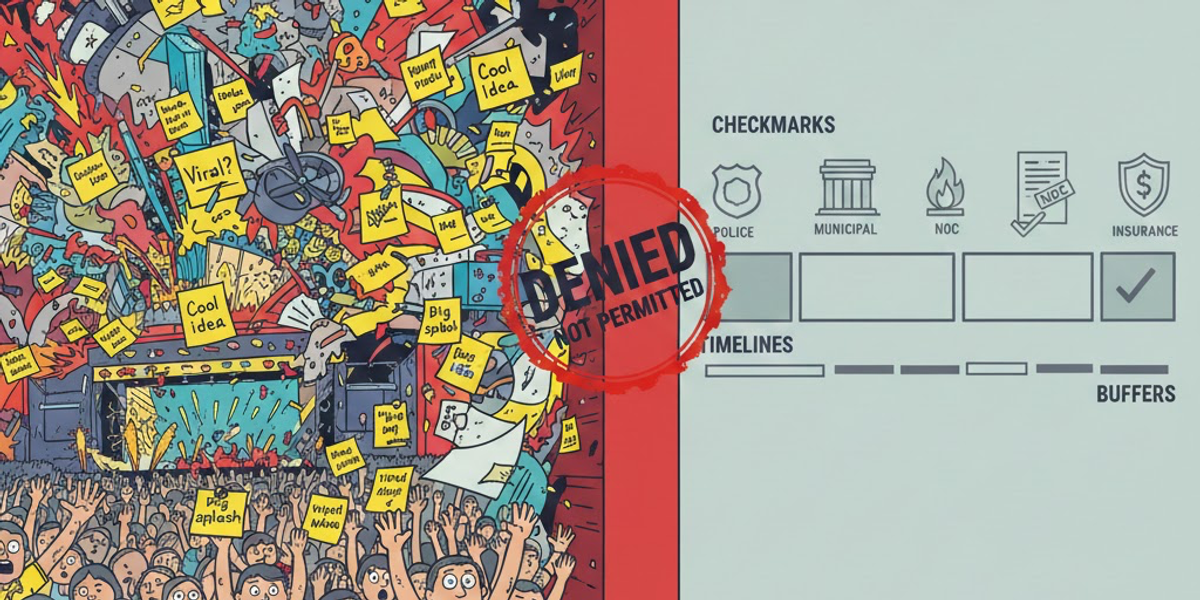
Or why “we’ll figure it out later” is not a strategy
Looking for an event marketing agency that creates experiences people remember? CupShup uses AI-powered planning and real-time analytics to design, execute, and measure events that deliver lasting brand impact.
Every marketer loves a big idea.
The kind that makes people stop scrolling, turn heads on the street, and forward photos on WhatsApp with a “yeh dekha kya?” The kind that starts as a concept note and ends up becoming a conversation. The kind of marketing that promises high engagement and genuine participation.
But here’s something anyone who’s actually executed on-ground marketing campaigns knows.A big idea is only powerful if it survives reality.
And reality, unlike decks and brainstorm rooms, does not care about vibes.
Reality has traffic, weather, public mood, local authorities, footfall patterns, safety norms, and that one uncle who asks, “Yeh kya ho raha hai?” It also has hyperlocal dynamics that can make or break even the smartest marketing strategy.
This is why permissions and safety are not post-idea chores. They are not things you “manage later”. They are things that quietly shape whether an idea belongs in the real world at all, especially when the goal is meaningful engagement and long-term brand trust.
The real world is not a mood board
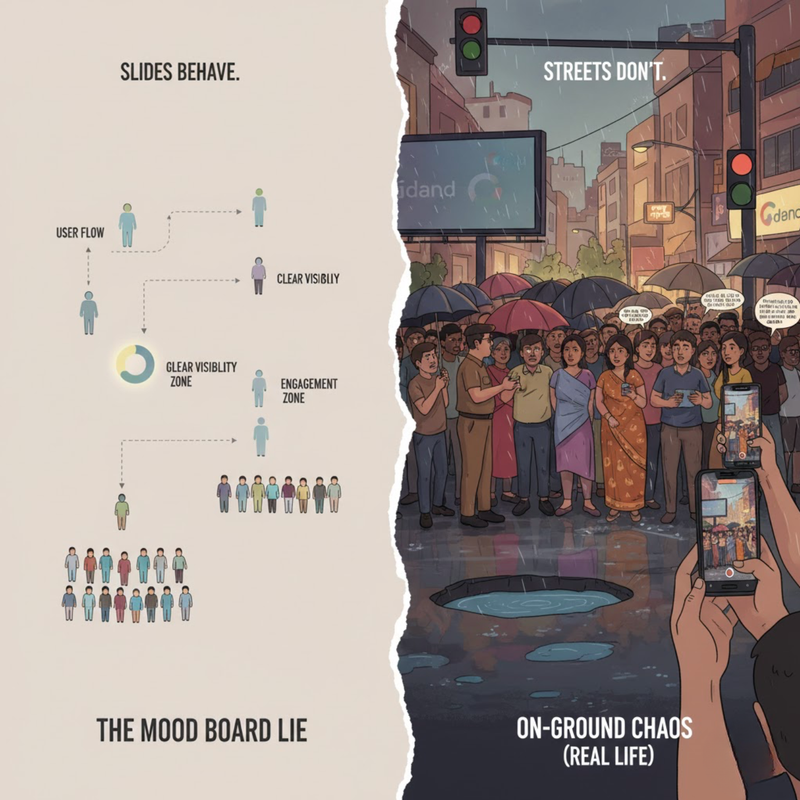
On slides, everything behaves.
- People understand instructions.
- Crowds stay perfectly spaced.
- Nothing breaks.
- Nobody panics.
- Authorities are magically absent.
On ground, things get real very fast.
People stop where they are not meant to. A small interaction suddenly attracts ten more people. Someone misunderstands intent. Someone records half a moment and posts it out of context. Rain decides to make a guest appearance without an RSVP. A hyperlocal audience reacts in ways no generic marketing strategy could predict.
Inside the team, this is something we talk about often. Ideas always sound poetic till you imagine them next to a pothole, a traffic signal, or a security guard asking questions.
That’s why experienced marketers do not start with “Is this cool?”
They start with “Can this exist safely, legally, and sanely while still driving engagement?”
It is a much less glamorous question. It is also the one that keeps marketing ideas alive beyond the first day.
Safety is not an operational task, it is a design principle
One common myth is that safety is something ops will “handle”. That creative teams can dream freely and someone else will fix the risks later.
In reality, safety decisions shape the idea itself and directly impact engagement and participation.
Are you asking people to stop, gather, queue, or move?
Are you interrupting traffic or footfall in a hyperlocal zone?
Are people touching, climbing, lifting, or scanning something?
Are you triggering urgency, excitement, or curiosity as part of your marketing strategy?
Each of these changes how people behave. And people in public spaces rarely behave in neat, predictable ways.
Designing with safety in mind means designing for real human behaviour, not ideal behaviour. It means assuming confusion before clarity and planning participation marketing solutions accordingly.
This does not make ideas boring. It makes them durable and scalable.
Permissions are alignment, not red tape
Permissions often feel like the least exciting part of any marketing plan. They are slow, detailed, and sometimes frustrating.
But permissions exist for a reason. They align everyone who shares the same space.
Public spaces are ecosystems. Police, local authorities, vendors, residents, building managers, security teams. When a brand steps into that space with a hyperlocal marketing strategy, it becomes part of that ecosystem whether it likes it or not.
Permissions ensure that everyone knows what is happening, when it is happening, and how risks are being managed so engagement can happen without friction.
Teams that have been on-ground long enough know this well. If the city does not understand your idea, the city will stop your idea. Not because creativity is unwelcome, but because uncertainty is.
Skipping permissions does not remove stakeholders. It removes coordination. And lack of coordination is where most participation-led marketing efforts fail.
When safety is ignored, consequences are never small
This is where the conversation becomes serious.
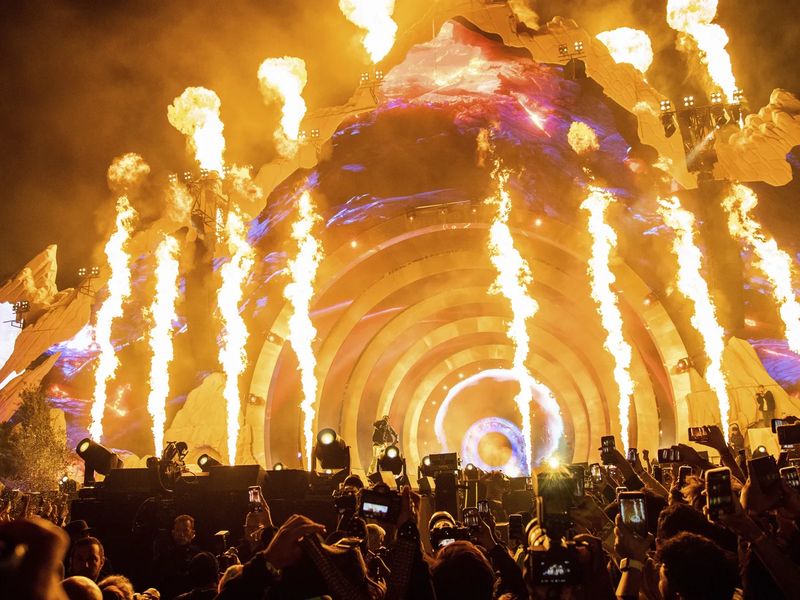
The Astroworld Festival tragedy in 2021 showed what happens when crowd behaviour, scale, and emergency response are underestimated. Ten lives lost. Hundreds injured. The impact went far beyond the event itself and overshadowed any marketing or engagement goals.
The Ghost Ship warehouse fire in 2016 showed what happens when venues operate without permissions and inspections. Thirty-six people lost their lives in a space that was never meant for public gatherings.

Closer home, public events in Kochi highlighted how weak safety oversight can turn stages and structures into hazards, putting organisers, attendees, and speakers at risk. These situations damage trust in brands and derail even the most thoughtful marketing strategy.
These are not edge cases. They are reminders that safety failures do not stay operational. They become human, legal, and brand crises.
How experienced marketers think differently
Experience changes how questions are framed.
Instead of asking, “Can we get permission for this idea?”
The better question becomes, “What idea naturally fits the permissions we can realistically get while still driving engagement?”
That shift leads to better outcomes.
Ideas that flow with foot traffic instead of blocking it.
Ideas that distribute engagement instead of pulling crowds into one spot.
Read next: Behind The Scenes: The Hidden Ops Monster Inside Every Ac..., The Queue Is Your Runway: Turning wait times into engagem..., and Interactive Campaigns: When Tech Turned Consumers Into Co....
Ideas that spark curiosity and participation without forcing attention.
The smartest hyperlocal marketing executions often feel effortless because they are designed to coexist with the environment around them.
A CupShup perspective: Tata 1mg
Healthcare is not a category where you can afford trial and error. Trust, compliance, and responsibility matter more than spectacle.
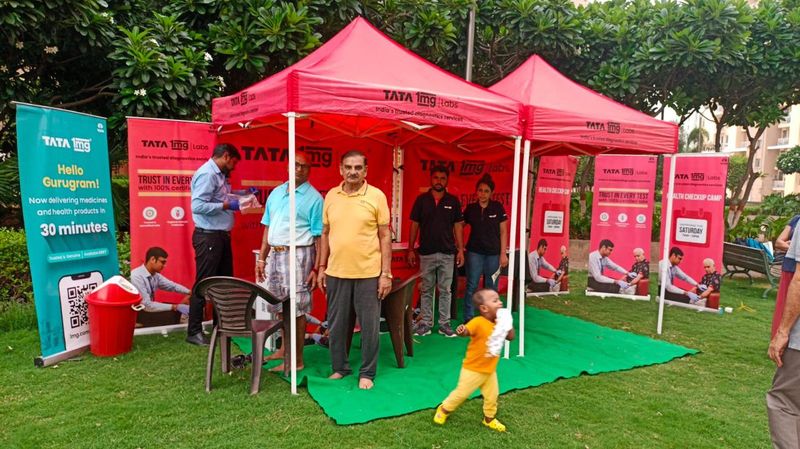
In CupShup’s campaign for Tata 1mg, the goal was clear visibility without risk.
The activation was built with clear permission frameworks, no obstruction to public movement, no crowd congregation risks, and no ambiguity around health compliance. Offline touchpoints were designed to translate smoothly into online conversations, turning physical interactions into digital engagement without putting people in uncomfortable situations.
Why Brands Choose CupShup as Their Event Marketing Agency
CupShup isn't just another event marketing agency — we combine immersive experience design with AI-driven attendee insights and real-time performance tracking. With 10,000+ campaigns across 300+ cities, our events don't just create moments — they create measurable business outcomes.
The campaign performed well not because it tried to shock or disrupt aggressively, but because it respected the space it existed in and followed a sound marketing strategy.
Safe ideas often scale quietly. Unsafe ones peak loudly and disappear.
Things experienced professionals factor in instinctively
Some lessons only come with time spent on-ground.
- Crowd behaviour is emotional, not rational.
- Free experiences attract more people than expected. Always plan for overflow in participation marketing solutions.
- Most issues happen at entry points and first interactions, not hours later.
- Authorities respond better to clarity than surprise.
- Documentation is not paperwork. It is protection for your brand and your marketing strategy.
These are not things you always see in a brief, but they guide every strong hyperlocal execution.
The most dangerous sentence in marketing
“We’ll figure it out later”.
It sounds flexible. It feels optimistic. But in real-world marketing, it is often the most expensive assumption you can make.
Because once something goes wrong on ground, there is no undo button. No edit option. No second take.
Internet toh yaad rakhta hai, and so do people.
The real takeaway
Permissions and safety are not creativity’s enemies. They are creativity’s grown-up phase.
They turn ideas into experiences. They turn stunts into systems. They turn moments into movements that brands can stand by.
At CupShup, we believe in Marketing That Moves. And marketing only truly moves when it is designed to move safely, responsibly, and sustainably with hyperlocal relevance.
Because the best ideas do not just go viral. Woh wapas bhi bina damage ke aate hain.
Want to build engagement that moves without breaking things?
If you are a brand or marketer exploring participation marketing solutions, hyperlocal activations, or on-ground engagement as part of your marketing strategy, talk to us.
Explore more insights on our blog or follow us on Instagram to see how real-world marketing turns into real conversations.
Get Started with CupShup Today
Ready to see real results? Book a Free Event Marketing Strategy Call → Join 500+ brands that trust CupShup.
50 Integrated Marketing Campaign Ideas
The complete playbook with campaign frameworks, budget templates, and measurement guides for Indian brands.
Instant download + email copy. No spam, ever.
Explore CupShup Services
Brands that read this article also explored these services.
Brand Activation Agency India
India's leading brand activation agency, 400+ campaigns, pan-India reach, real-time dashboards.
Learn more ExperientialExperiential Marketing Agency
End-to-end experiential campaigns that create memorable brand moments and drive measurable ROI.
Learn more BrandBrand Strategy Services
Brand identity, positioning, and messaging frameworks built for competitive Indian markets.
Learn moreAakriti Mishra
Senior Marketing Strategist at CupShup with over 8 years of experience in brand activation and integrated marketing campaigns. Aakriti specializes in creating data-driven strategies that deliver measurable results for modern brands.
Related Stories
Go Deeper with Our Free Guides
Comprehensive, in-depth marketing guides created by CupShup's experts.
The Ultimate Guide to Brand Activation
Everything you need to know about bringing your brand to life, strategies, examples, and frameworks.
The Ultimate Guide to Digital Marketing
Master every channel in the modern digital marketing ecosystem, from SEO to paid media.
The Ultimate Guide to SEO
The definitive guide to search engine optimization, on-page, technical, and link building strategies.