
Fear, delight, shock: Which reaction works best?
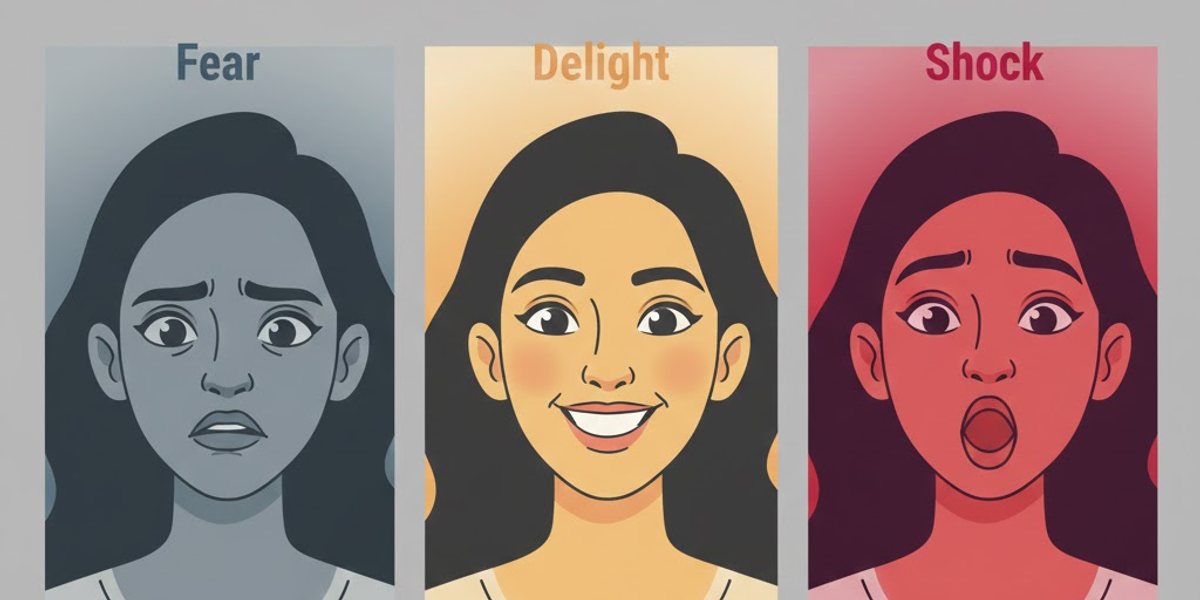
I’ve lost count of how many times I’ve sat in a meeting where someone says, “Let’s make it impactful”, and someone else replies, “Haan haan, something emotional”.
Looking for a brand activation agency that creates unforgettable experiences? CupShup delivers AI-powered brand activations across 10,000+ campaigns in 300+ Indian cities — turning passive audiences into passionate brand advocates.
But emotion isn’t a seasoning you sprinkle at the end. It’s the base gravy. Galat bana diya, toh poora dish kharab.
Over years of writing, managing blogs, debating headlines, reviewing campaigns, and sitting through enough post-mortems to last a lifetime, one thing has become very clear to us as a team working across marketing solutions. Attention is cheap. Emotion is expensive. And if you don’t spend it wisely, the bill always shows up later as poor recall, low trust, or a brand people vaguely remember but never really choose.
Fear, delight, and shock are the three emotional levers most brands keep pulling in modern marketing. Sometimes they work beautifully. Sometimes they flop harder than a Monday morning reel. Let’s talk about why.
Emotion: Because Logic Alone Toh Excel Sheet Mein Reh Jaata Hai (And Marketing Needs More Than Logic)
We all like to believe customers are logical. That they read features, compare prices, and calmly make decisions. Anyone who has ever panic-ordered something at 2 a.m. knows that’s a lie.
Emotion drives memory. Memory drives preference. Preference drives action. This is where marketing stops being communication and starts becoming participation.
This is why emotional marketing consistently outperforms rational messaging on recall, brand lift, and long-term impact. You may forget the spec sheet, but you remember how something made you feel, and whether you wanted to engage, share, or create ugc around it.
This comes up often when we review content internally. As Yuvana once casually said while editing a draft, “If I don’t feel anything while reading this, why will someone else?” It sounds simple, but it’s a rule we keep coming back to when designing content and marketing solutions.
The real insight here is this. Emotion is not decoration. It is strategy, and it fuels amplification when done right.
Fear: Jaldi Action Chahiye? Handle With Care in Marketing
Fear is the fastest way to get attention in marketing. It’s also the fastest way to lose trust if you mess it up.
Fear works because humans are wired to avoid loss more urgently than they pursue gain. Behavioural research backs this up again and again. Fear-based messaging can drive strong behavioural change, participation, and even ugc responses, but only when the audience feels they can do something about the threat.
We have all seen campaigns that shout danger without telling you what to do next. The result is not conversion. It’s anxiety and avoidance, and zero amplification.
During one data review, Sourav summed it up perfectly while staring at the numbers. “Fear spike toh aaya, but follow-through nahi. People noticed, but didn’t move”. That’s fear without efficacy, and ineffective marketing at best.
A brand that handles this well is Apple, especially around privacy. They don’t scream that you are doomed. They quietly remind you that data misuse is real and then show how their ecosystem protects you. Concern plus control. That combination works and leads to trust-driven participation.
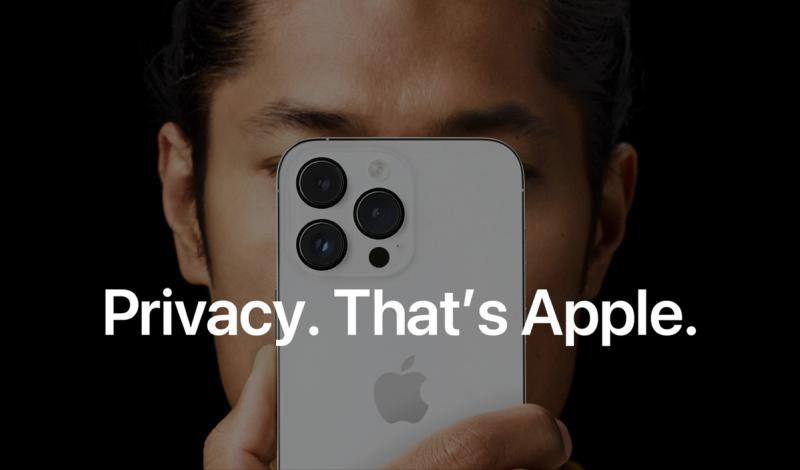
Fear works best when:
- The risk already feels real to the audience
- You validate an existing concern instead of inventing a new one
- The solution feels simple and achievable
Fear is not about scaring people. It’s about sharpening focus so that action, not panic, follows.
Delight: The Emotion That Builds Brands Over Time
If fear is espresso, delight is ghar ka dal. Slow, comforting, and you keep coming back to it.
Delight does not always push people to act immediately, but it builds something far more valuable for marketing teams. Memory, trust, and voluntary participation.
Positive emotional advertising is shared more, remembered longer, and associated with stronger brand affinity. This is why brands that consistently delight their audiences often enjoy organic amplification through ugc without forcing it.
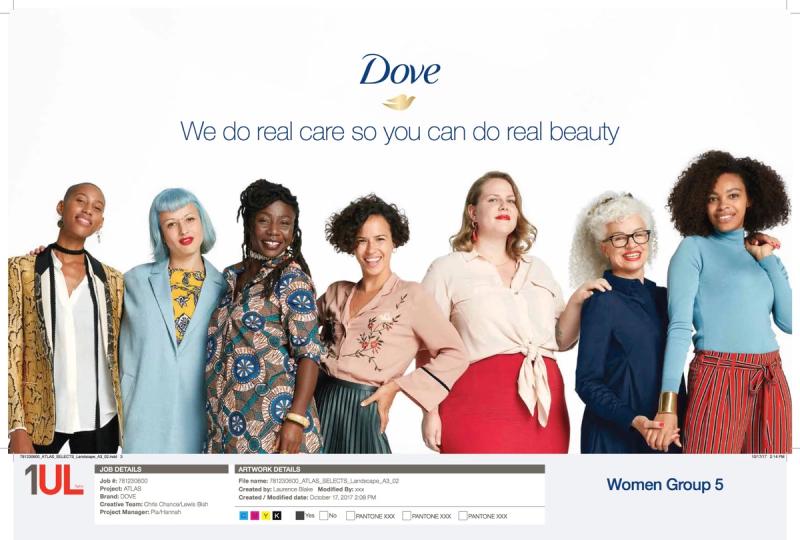
Dove’s Real Beauty campaign is a great example. It worked because it acknowledged something people already felt but rarely saw reflected in advertising. No exaggeration. No gyaan. Just recognition that led to conversation and participation.
This is something Krithika once pointed out during a brainstorm. “Funny tab kaam karta hai jab sach bhi ho”. That line stuck with us and often guides how we approach storytelling and marketing solutions.
Delight works when:
- You want long-term brand love, not one-time clicks
- The story reflects a real human insight
- You are okay with slower but stronger returns
Delight is not about being funny. It’s about being relatable. Aur relatability ka ROI late aata hai, but solid hota hai, especially when ugc and word-of-mouth kick in.
Shock: High Attention, High Risk
Shock advertising is designed to interrupt. It breaks norms, disrupts expectations, and forces attention. From an awareness standpoint, it works. From a brand marketing standpoint, it is risky territory.
Shock creates strong recall, but it also creates strong negative emotions. Those emotions do not always stay attached to the message. Sometimes they stick to the brand and block long-term amplification.
Public awareness campaigns have used shock well. WWF has repeatedly used disturbing visuals to highlight environmental destruction. The shock works because it leads quickly to meaning, responsibility, and participation, not just momentary attention.

As Deeksha once joked after a client discussion, “Shock tab tak hi theek hai jab client ko shock na lag jaaye”. Everyone laughed, but the point landed, especially when discussing high-risk marketing solutions.
Shock fails when:
- It becomes the message instead of the doorway
- It lacks context or resolution
- It feels like provocation for the sake of virality
Shock is a scalpel. Use it carefully, or it cuts the wrong thing.
Emotion Choose Karne Ka Asli Logic in Marketing Strategy
Read next: QR codes aren’t dead: Using them smarter, From Buyers to Believers: How Modern Brands Turn Customer..., and What Consumers Actually Take Away From Brand Activations ....
Read next: QR codes aren’t dead: Using them smarter, From Buyers to Believers: How Modern Brands Turn Customer..., and What Consumers Actually Take Away From Brand Activations ....
One of the biggest mistakes brands make is choosing emotion based on creative instinct instead of business objective.
Experienced marketing teams flip this thinking. They start with the outcome and work backwards, designing participation and amplification into the plan.
- Immediate action or behaviour change: Fear, paired with clarity
- Long-term loyalty and trust: Delight
- Awareness spike or conversation starter: Shock, used sparingly
Maaz once said during a results review, “Jo feel match nahi karta goal ke saath, woh campaign sirf award entry banta hai”. Hard to disagree when you look at data.
Why Brands Choose CupShup as Their Brand Activation Agency
CupShup isn't just another brand activation agency — we're a team that's built brand activation into the DNA of 10,000+ campaigns across 300+ Indian cities. From immersive pop-ups and sampling drives to AI-powered audience targeting and real-time activation dashboards, our hybrid experiential + digital approach delivers brand recall that pure-play agencies can't match.
What Experience Teaches You (That No Marketing Deck Will)
There are lessons you only learn after campaigns go live and ugc either flows or doesn’t.
First, emotions work best in sequence, not isolation. Many effective campaigns start with curiosity, move into delight, and end with reassurance. Others raise concern and resolve it with empowerment, increasing participation along the way.
Second, audience maturity matters. Highly informed audiences resist fear. Emotionally tired audiences crave delight. Cynical audiences punish shock without meaning or value.
Third, emotion without credibility backfires. Emotion opens the door, but logic keeps people inside. As Bhavika often reminds us, “Numbers bolte nahi toh feelings bhi chup ho jaati hain”.
And finally, real-world emotional experiences stick longer than digital-only ones. Offline moments, when amplified online, create deeper memory and stronger ugc loops. Bijoy and the ops team have seen this play out on ground enough times to know it’s not theory.
So, Kaunsa Emotion Best Hai for Marketing?
This is the question everyone wants answered, and the answer is rarely simple.
The emotion that works best is the one that matches the emotional state your audience is already in.
- Fear works when people already feel vulnerable.
- Delight works when people feel overwhelmed or cynical.
- Shock works when people feel indifferent.
Good marketing does not force emotion. It meets people where they already are and turns that into participation and amplification.
Final Thought
Marketing that works is not about choosing between fear, delight, or shock. It’s about understanding people deeply enough to know when each emotion earns the right to exist.
The brands that win do not chase reactions. They design responses, participation, and long-term amplification.
And the best ones do not just make people feel something once. They make people remember who made them feel it.
Baaki sab noise hai.
Want to build marketing that actually moves people?
If you’re tired of campaigns that look good on paper but don’t drive participation, ugc, or real amplification, explore our blogs to see how we break down marketing in the real world.
And if this thinking resonates, reach out or connect with us on LinkedIn. Let’s talk marketing solutions that turn attention into action and moments into movements.
Ready to Get Started? Talk to CupShup
Whether you're planning a high-impact campaign or looking for a brand activation agency that delivers real results — CupShup's team is ready to help. Book a Free Brand Activation Strategy Call →
50 Integrated Marketing Campaign Ideas
The complete playbook with campaign frameworks, budget templates, and measurement guides for Indian brands.
Instant download + email copy. No spam, ever.
Explore CupShup Services
Brands that read this article also explored these services.
Experiential Marketing Agency India
Immersive brand experiences, pop-ups, product launches, live demos, and phygital events.
Learn more ActivationBrand Activation Services
On-ground engagement campaigns with tech-enabled tracking and verified results.
Learn more BrandBrand Strategy Services
Brand identity, positioning, and messaging frameworks built for competitive Indian markets.
Learn moreAakriti Mishra
Senior Marketing Strategist at CupShup with over 8 years of experience in brand activation and integrated marketing campaigns. Aakriti specializes in creating data-driven strategies that deliver measurable results for modern brands.
Related Stories

Go Deeper with Our Free Guides
Comprehensive, in-depth marketing guides created by CupShup's experts.
The Ultimate Guide to Brand Activation
Everything you need to know about bringing your brand to life, strategies, examples, and frameworks.
The Ultimate Guide to Digital Marketing
Master every channel in the modern digital marketing ecosystem, from SEO to paid media.
The Ultimate Guide to SEO
The definitive guide to search engine optimization, on-page, technical, and link building strategies.