
The Rs. 78 Lakh Weekend: Inside Godrej Yummiez's Most Surprising Brand Activation
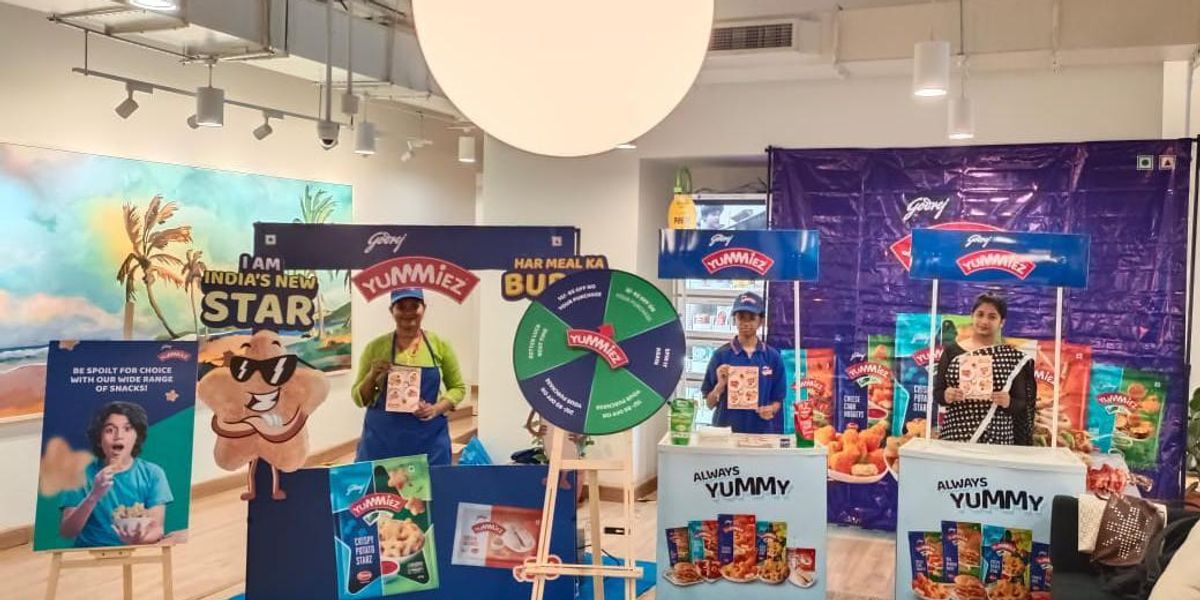
Maaz walks into a Pune residential complex at 6:45 am on a Saturday. The CupShup activation crew has already been setting up for an hour. The activation stall smells of sizzling snacks. The target for the 3-day weekend is Rs. 78 lakhs in on-spot sales with zero discounting. She describes thinking it was ambitious to the point of unrealistic.
It’s a crisp Pune morning, the kind where the air still holds a hint of the night’s coolness, and the city is just beginning to stir. At 6:45 am, most people are still hitting snooze, but our team, specifically Maaz, was already on-site at one of Pune’s largest residential complexes. The unmistakable aroma of sizzling snacks, a blend of spices and tempting fried goodness, filled the air around the neatly erected activation stall. Our on-ground crew, a dedicated bunch who live and breathe brand experiences, had been up since the crack of dawn, meticulously setting up every detail. The objective for this particular 3-day weekend activation was audacious: Rs. 78 lakhs in on-spot sales for Godrej Yummiez, with a strict no-discounting policy. As Maaz surveyed the scene, the sheer scale of the target hit her. It felt ambitious, bordering on unrealistic, a mountain steeper than any they had climbed before. Yet, the scent of success, or at least the potential for it, was undeniably present.
The Industry Problem With FMCG Trials
The FMCG industry is a battleground where trial is king, but the reality of sampling campaigns often falls short of the promise. We’ve seen countless activations where brands invest heavily in distributing samples, only to see conversion rates languish between a dismal 4% and 8%. This isn't for lack of trying; it's a systemic issue rooted in how these campaigns are conceived and executed. The fundamental problem is a disconnect between the act of sampling and the act of purchasing. A free sample, however delicious, is often perceived as a fleeting novelty, an impulse treat disconnected from the actual shopping mission. Consumers might enjoy it, remember it fondly for a moment, but the crucial bridge from "tasty" to "in my shopping cart" remains unbuilt, leading to a significant leakage of potential sales.
This low conversion rate stems from three core structural issues inherent in most FMCG trial campaigns. Firstly, the context of the trial is rarely aligned with the context of purchase. Sampling in a busy mall, for instance, puts the product in front of people who are often there for entertainment or other retail needs, not immediate grocery shopping. Secondly, there's a glaring absence of a seamless purchase mechanism. The journey from tasting a sample to actually buying the product involves multiple steps – remembering the brand, finding it in a store, deciding to buy it – each a point where the consumer can disengage. Lastly, the brief given to promoters is often inadequate. They are trained to distribute samples and perhaps answer basic questions, but rarely equipped to handle objections, create desire, or guide a consumer towards a purchase, turning a potential sales opportunity into a mere awareness exercise.
Why Most Brands Set Up in Malls
Malls, for a long time, have been the default playground for FMCG brands looking to make a splash. The allure is understandable: a controlled environment with guaranteed footfall, the perception of a premium brand image, and the opportunity to showcase products in a visually appealing setting. Brands often envision their activation kiosks bathed in the mall’s ambient light, surrounded by shoppers with disposable income, creating a powerful association in the consumer's mind. It feels like a safe bet, a place where visibility is high and the target audience appears to be readily available. This perceived advantage makes malls an attractive, almost instinctive, choice for many marketing teams looking to drive awareness and generate initial interest for their products.
However, when it comes to driving actual sales, especially for everyday FMCG products that are part of a regular consumption basket, malls systematically underperform. The shopper mindset in a mall is rarely about completing their weekly grocery run. They are there for leisure, for entertainment, or for specific retail purchases that aren't typically staples. The impulse to buy a pack of frozen snacks or a new detergent is significantly lower when the primary mission is to catch a movie or try on clothes. Furthermore, the journey from a mall activation to a purchase is fraught with friction. The consumer has to remember the product, locate it in a supermarket perhaps miles away, and then make the purchase decision again. This disconnect between the trial experience and the purchasing journey means that while mall activations might create awareness, they often fail to translate that into tangible, on-the-spot sales or even immediate purchase intent for routine FMCG items. We’ve seen this play out across numerous brand activation case studies, where the ROI from mall activations for everyday products is often significantly lower than anticipated, highlighting a need for a more contextually relevant approach.
The RWA Insight: Why Residential Societies Changed Everything
The Psychology of Home-Context Buying
The difference in consumer behaviour when someone is standing at their residential gate versus wandering through a mall is profound. At home, the purchase decision is intrinsically linked to immediate needs, family consumption patterns, and a sense of comfort and familiarity. When a brand activation arrives at a residential society, it enters the consumer's personal ecosystem, tapping into a different set of psychological triggers. The "immediate-use" trigger is powerful; if someone tastes a delicious snack right outside their door, the thought of "what can I serve my kids after school?" or "this would be perfect for tonight's dinner" becomes instantly relevant. The "family decision" context also plays a crucial role. Unlike a solo mall trip, RWA (Residential Welfare Association) activations often involve the entire family, meaning purchasing decisions are made collectively, considering the needs and preferences of multiple household members.
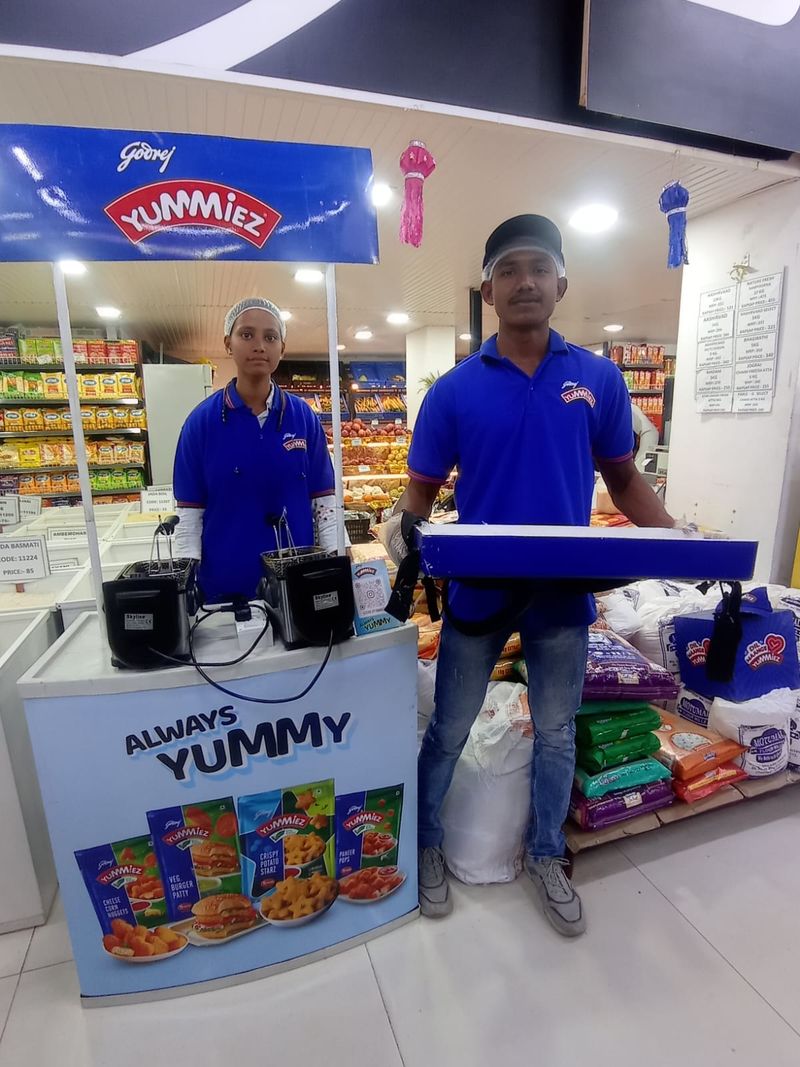
CupShup's activation crew at the Pune RWA, three hours before gates opened.
Moreover, the "social proof" from neighbours cannot be underestimated. Seeing other residents engaging with the stall, trying the products, and making purchases creates a powerful sense of validation. It signals that the product is not only good but also a relevant choice for people living in their community, people with similar lifestyles and needs. This organic endorsement is far more potent than any advertising. Brands like Vicco, which successfully leveraged RWA activations for toothpaste, DCB Bank for financial services, and even Sleepwell for mattresses, demonstrate the versatility of this format. They all tapped into this home-context psychology, adapting their offering to resonate with the immediate needs and buying behaviours of residents within their own environment, proving that the RWA space can be incredibly effective across diverse product and service categories.
The CupShup Location Selection Process for This Campaign
Selecting the right Residential Welfare Association (RWA) for an activation is a science, not an art, especially when aiming for ambitious sales targets like the Godrej Yummiez campaign. Our team didn't just pick societies at random; we conducted a rigorous analysis that involved evaluating over 120 potential RWA sites across Pune and Mumbai. This meticulous process ensures we're not just setting up shop anywhere, but strategically placing the activation where it has the highest probability of success. The goal is to find the sweet spot where consumer accessibility, demographic alignment, and purchase intent converge.
We employed five critical filters in our selection process. First, society size: we looked for complexes with a significant number of households to ensure adequate footfall. Second, demographics match: we analysed the profile of residents to ensure alignment with the target audience for Godrej Yummiez – families, often with working parents, looking for convenient and tasty meal solutions. Third, proximity to modern trade: this was crucial. While we wanted on-spot sales, we also aimed to reinforce the product's availability in local stores, ensuring the activation supported ongoing retail presence. Fourth, gate access timing: understanding when residents typically enter and exit their homes during weekends was vital for maximizing our operational window. Finally, weekend footfall pattern: we assessed when the maximum number of residents were likely to be present and receptive to an activation. The specific Pune society where this campaign launched was chosen because it ticked all these boxes exceptionally well, boasting a high concentration of our target demographic, excellent weekend activity, and a convenient gate layout that facilitated easy access for our crew and residents. This level of strategic planning is what differentiates a successful experiential marketing agency from one that simply executes.
Building the Activation: How the Stall Was Designed
The Multi-Sensory Kiosk (Why It Felt Like a Restaurant, Not a Stall)
Our design philosophy for the Godrej Yummiez activation centered on creating an experience that transcended the typical temporary stall. We aimed to evoke the feeling of a high-quality, convenient eatery rather than a promotional outpost. This was achieved through three core design principles: immersive visuals, a live cooking station, and aroma engineering. The visuals were carefully curated to be clean, modern, and appetizing, using high-resolution imagery of the finished dishes and emphasizing the freshness of the ingredients. The lighting was warm and inviting, and the overall layout was designed for comfortable flow and interaction.
Crucially, we invested in a live cooking station instead of relying solely on pre-cooked samples. This was a non-negotiable element. It allowed residents to see, hear, and smell the food being prepared fresh. The sizzle of the pan, the steam rising from the dishes, and the visible transformation of frozen ingredients into delicious meals provided undeniable proof of quality and taste. This transparency built trust and countered any potential skepticism about frozen food. Furthermore, we employed aroma engineering, strategically diffusing the enticing scents of the Yummiez products being cooked. This olfactory appeal acted as a powerful, passive draw, piquing curiosity and creating an immediate craving that drew people towards the stall. It transformed the space into a multi-sensory hub, making the trial experience far more impactful and memorable than a simple handout.
The Conversion Loop: From Sample to Purchase in 90 Seconds
The single most critical design decision for this activation was to eliminate every conceivable friction point between the moment of tasting and the moment of purchase. We understood that for an FMCG product, especially one aimed at convenience, the path to purchase had to be astonishingly simple and immediate. Our goal was to condense the entire decision and transaction process into a mere 90 seconds. This meant creating a seamless conversion loop that guided a satisfied taster directly to becoming a buyer.
We engineered three distinct purchase pathways to cater to different consumer preferences and immediate capabilities. The most direct was the on-spot product sale. We had a well-stocked mini-store at the back of the stall, allowing residents to buy their preferred Yummiez products immediately after tasting. Secondly, we integrated QR-linked quick commerce. For those who preferred digital transactions or wanted to order larger quantities, a simple QR scan connected them to a streamlined ordering platform, often integrated with local delivery services. Thirdly, for residents who were interested but perhaps rushed, we offered a WhatsApp follow-up order option. They could scan a QR code or provide their number, and our team would initiate a personalized chat to finalize the order later that day. The true game-changer, however, was the doorstep delivery within the RWA. This removed the common exit clause: "I'll buy it at the store later." By offering instant delivery to their doorstep within the complex, we made the purchase immediate and effortless, capturing the sale at the peak of its desire. This holistic approach to removing friction is central to our understanding of effective our FMCG brand activation services.
Training the Promoters as Brand Consultants
The effectiveness of any brand activation hinges not just on the setup, but critically on the people executing it. For this Godrej Yummiez campaign, we redefined the role of our promoters from mere sample distributors to enthusiastic brand consultants. The difference is stark: a promoter hands out product; a consultant educates, builds rapport, understands needs, and ultimately, closes a sale. Our team underwent an intensive 16-hour training program that went far beyond product features. They learned the art of engagement, the science of persuasion, and the importance of empathy.
A significant part of their training focused on overcoming the common "frozen food is unhealthy" bias. They were equipped with compelling narratives about Godrej Yummiez's "flash freezing locks in freshness and nutrients" story, explaining the process in simple, reassuring terms. They were trained to conduct mini-cooking demonstrations, showcasing not just the end product but the ease and speed of preparation. The most crucial conversational skill taught was how to initiate a genuine dialogue, starting with open-ended questions like, "What do you usually cook on a weeknight when you're pressed for time?" This shifted the interaction from a transactional exchange to a helpful consultation, positioning our promoters as problem-solvers for busy families. By training them to be knowledgeable, approachable, and solution-oriented, we transformed them into powerful conversion agents, significantly boosting our taste-to-purchase rate and reinforcing the value of a comprehensive brand activation guide.
What Actually Happened: The Rs. 78 Lakh Weekend
Day-by-Day Breakdown
The activation kicked off on Saturday morning with palpable energy. The initial hours saw a steady stream of residents, curious about the enticing aromas and the professional setup. By lunchtime, the word had begun to spread organically within the society’s WhatsApp groups. Residents who had tried and loved the Yummiez products were sharing their positive experiences, posting photos, and recommending the stall to their neighbours. This created a powerful wave of social proof that significantly amplified our reach. The first day was strong, exceeding our initial projections and building significant momentum.
Sunday was a testament to the power of word-of-mouth marketing. Many families who had seen their neighbours’ posts or heard positive feedback from friends and family visited the stall, driven by curiosity and trust. The energy was even higher than on Saturday, with a continuous flow of people eager to taste and purchase. We saw repeat customers coming back to buy more, and new families discovering the brand for the first time. The promoters were expertly handling the increased volume, ensuring every interaction was positive and every sale was smooth. The day’s performance was exceptional, significantly contributing to our overall weekend target.
Monday, as the final day of the activation, was fascinating. It became a day of decision-making for many residents who had been deliberating since Saturday or Sunday. They had seen the product, tasted it, heard testimonials, and now, with the activation concluding, they were ready to commit. This deliberation phase, followed by the urgency of the final day, led to our highest conversion rate of the weekend. Residents who might have initially just sampled were now making substantial purchases, stocking up on their newly discovered favourites. The consistent quality, the seamless purchase process, and the clear value proposition all culminated in this final surge, solidifying the campaign's extraordinary success.
The Numbers Behind the Result
The culmination of our meticulous planning and execution was, frankly, astounding. The total on-spot sales for the 3-day weekend exceeded our ambitious target, hitting an incredible Rs. 78 Lakhs+. This wasn't just about revenue; it was about deep consumer engagement. We recorded over 2.1 Lakh consumer engagements, a testament to the pull of the activation. To fuel this, we distributed over 1.5 Lakh samples, ensuring a broad reach within the society. The most critical metric, the taste-to-purchase conversion rate, stood at an exceptional 28%, dwarfing the industry average of 8% and proving the efficacy of our approach.
Beyond immediate sales, the activation generated significant future potential. We captured over 32,000 verified leads for follow-up CRM activities, setting the stage for repeat purchases. The engagement was so high that it sparked organic content creation, resulting in over 6,800 User-Generated Content (UGC) posts across social media platforms. A post-activation survey revealed a strong post-purchase sentiment, with 73% indicating a high repeat purchase intent. Crucially, this entire monumental achievement was accomplished with zero discounting, demonstrating the power of value and experience over price cuts.
What the Team Got Wrong (Honest Post-Mortem)
While the results were phenomenal, our commitment to continuous improvement means we always conduct a thorough post-mortem, identifying areas for refinement. In this campaign, we encountered a couple of hiccups. One specific RWA site had unexpectedly restrictive gate-access timing protocols imposed by the management on the morning of Day 1. This meant our crew lost two prime morning hours on the opening day, impacting potential early sales. We had to adapt quickly, shifting our operational focus and optimizing later in the day, but it was a clear lesson in anticipating and mitigating unforeseen logistical challenges.
Additionally, in one of the cities where we operated, the doorstep delivery logistics for a small batch of orders hit a minor snag due to a localized traffic disruption. While resolved within a few hours, it highlighted the need for even more robust backup plans for last-mile delivery within large complexes. These were not deal-breakers, but valuable learning experiences. We immediately adjusted our communication protocols for gate access and reinforced backup routes for our delivery partners from Day 2 onwards. This iterative process of learning and adapting, even during a highly successful campaign, is what allows us to refine our brand activation agency Pune operations and ensure future campaigns are even smoother.
Post-Activation: The CRM Play Most Brands Skip
Following Up With 32,000 Leads
The activation itself was a resounding success, but for us at CupShup, it marked the beginning, not the end, of the customer journey. The 32,000+ verified leads we collected were gold, representing individuals who had actively engaged with the brand and expressed a clear interest. Our post-activation strategy focused on nurturing these leads through a highly personalized WhatsApp follow-up sequence. This was not a generic broadcast blast; each message was tailored, referencing their interaction at the stall, perhaps mentioning a specific product they sampled or inquired about.
This personalized approach yielded incredible results. The follow-up conversion rate was significantly higher than anticipated, driving repeat purchases and solidifying brand loyalty. The 73% repeat purchase intent we measured post-activation was directly influenced by this sustained engagement. By offering relevant product information, exclusive (but non-discounted) bundles, or simply a friendly reminder of the convenience and taste, we kept Godrej Yummiez top-of-mind. This sustained interaction transformed a one-time trial into a lasting customer relationship, demonstrating the immense value of a well-executed CRM strategy that flows directly from the activation.
Why Most Brands Stop at the Activation and Lose 40% of Their ROI
It’s a recurring pattern we observe across the industry: brands invest heavily in creating an impactful brand activation, generating buzz and initial sales, and then… nothing. They stop. This is where a significant portion of the potential return on investment (ROI) is lost, often estimated to be around 40%. The activation, no matter how brilliant, should be viewed as the ignition point of a customer relationship, not the final destination of a transaction. Many brands consider the sales generated on the day as the sole metric of success, failing to capitalize on the captured interest and purchase intent.
A robust post-activation CRM plan is what bridges this gap. It involves a structured approach to follow up with leads, re-engage customers, and foster long-term loyalty. This could include personalized email campaigns, targeted social media ads, loyalty programs, or exclusive content for engaged customers. For Godrej Yummiez, this meant continuing the conversation, reinforcing the brand’s value proposition, and making it even easier for them to repurchase. Brands that skip this crucial phase miss out on building a sustainable customer base, driving repeat business, and maximizing the long-term value generated by their initial activation investment. They essentially leave a significant portion of their marketing budget on the table.
What FMCG Brands Keep Getting Wrong About Trial-to-Purchase
Four Specific Mistakes
Based on our extensive experience, particularly with campaigns like Godrej Yummiez, we’ve identified four recurring mistakes FMCG brands consistently make that hinder their trial-to-purchase conversion rates. The first is a fundamental context mismatch. Running a trial activation in an environment where consumers aren't in a purchasing mindset – like a busy mall for everyday groceries – sets the campaign up for lower conversion from the outset. The second is the absence of a no frictionless buy mechanism. If tasting a sample doesn't lead to an immediate, easy purchase opportunity, the intent often dissipates. The third mistake lies in promoter training focused on awareness, not conversion. Promoters need to be equipped to handle objections, build desire, and guide consumers towards a purchase, not just hand out samples.
The final, and perhaps most critical, mistake is the complete omission of a post-activation follow-up. Brands often treat the activation as the end of the campaign, failing to nurture the leads and the purchase intent they’ve so painstakingly generated. This is where the real long-term value lies, driving repeat purchases and building brand loyalty. By addressing these four points, brands can significantly improve their conversion rates and achieve more impactful results from their sampling and trial initiatives. It’s about understanding the entire journey from that first taste to the repeat purchase.
The Godrej Yummiez campaign reinforced a core principle that should guide every FMCG brand activation: "The moment of trial is a sales moment, not a marketing moment." This simple yet powerful reframe shifts the entire perspective. Instead of viewing a sample as a tool purely for brand awareness or recall, it must be seen as a direct precursor to a sale. Every element of the activation – from the taste experience and the environment to the ease of purchase and the follow-up – should be designed to facilitate that transition from tasting to buying. When brands truly embrace this mindset, they move beyond vanity metrics and focus on driving tangible, revenue-generating outcomes. This is the essence of effective experiential marketing that delivers measurable results.
Frequently Asked Questions
Can this RWA activation model work for categories other than frozen food?
Absolutely. The Residential Welfare Association (RWA) activation model is highly versatile and can be adapted for a wide range of FMCG categories. For instance, brands in the dairy sector can offer samples of yogurts or cheese, while beverage companies can set up tasting stations for juices or ready-to-drink coffees. Even home care brands can demonstrate product effectiveness with small-scale cleaning challenges or showcase new detergent formulations. The core principle remains consistent: bringing the product trial directly into the consumer's living environment, leveraging the context of home and immediate need. Categories like snacks, ready-to-cook meals, personal care products, and even small appliances have all found success within RWA settings by tailoring their offering to resonate with the residents' daily lives and purchase behaviours.
How do you get access to premium RWA societies for activations?
Gaining access to premium RWAs involves a strategic, relationship-based approach. Firstly, understanding the society’s gate management, resident welfare association (RWA) policies, and typical approval processes is crucial. Our team often initiates contact through formal channels, submitting detailed proposals that highlight the benefits for residents, such as convenient access to new products and exclusive trial opportunities. We emphasize that our activations are non-intrusive, professionally managed, and often contribute positively to the community vibe. Building a positive track record with RWAs in one society can lead to referrals for others. Additionally, demonstrating a clear demographic alignment between the brand and the society’s residents helps convince RWA committees that the activation will be relevant and well-received, making them more amenable to granting access.
What is the typical cost range for a 3-day RWA sampling activation in Mumbai or Pune?
The cost for a 3-day RWA sampling activation can vary significantly based on factors like the size of the society, the number of promoters required, the complexity of the kiosk setup, and the specific product being sampled. However, for a well-executed, premium activation in a prime RWA in Mumbai or Pune, you might expect a budget ranging from approximately Rs. 4 lakhs to Rs. 10 lakhs. This typically covers site rental fees, promoter costs, kiosk fabrication, product sampling, logistics, and on-ground management. The higher end of the range would encompass more elaborate setups, larger societies, or activations requiring specialized equipment. It's an investment, but one that, when executed strategically, can yield substantial returns, as evidenced by campaigns like Godrej Yummiez.
How do you handle the "frozen food is unhealthy" objection at the activation point?
Our promoters are trained extensively to address the "frozen food is unhealthy" objection proactively and effectively. The key is education and transparency. They highlight the "flash freezing" technology, explaining how it locks in nutrients and freshness immediately after harvest or preparation, often preserving more vitamins than "fresh" produce that has traveled long distances. They demonstrate the minimal, natural ingredients used in Godrej Yummiez products, emphasizing the absence of artificial preservatives. Visual aids showing the ingredients and the quick preparation process are used. Furthermore, the live cooking station itself serves as proof, showcasing the appealing transformation of frozen ingredients into delicious, hot meals, directly countering any perception of staleness or poor quality. The focus is on the convenience and taste benefits without compromising on nutritional value.
Is a 28% taste-to-purchase conversion rate replicable for other FMCG brands?
Yes, a 28% taste-to-purchase conversion rate is replicable, but it requires a specific, well-executed strategy. It’s not a given; it’s a result of meticulous planning and execution focused on removing friction and maximizing the trial experience. This includes selecting the right audience in the right context (like RWAs), designing an engaging, multi-sensory experience, having a seamless and immediate purchase mechanism, and equipping promoters to be consultants, not just distributors. Furthermore, a strong post-activation CRM strategy is vital for sustained success and repeat purchases. While the exact percentage might fluctuate, the principles of contextual relevance, seamless conversion, and diligent follow-up are universally applicable for achieving high conversion rates in FMCG brand activations.
Planning an FMCG Activation? Let's Talk.
CupShup has run FMCG activations across 60+ cities for brands like Godrej, Marico, ITC, Bata, and Plum. If you want to understand what a high-conversion sampling activation looks like for your category and budget, get in touch here. You can also download our brand activation guide for a full breakdown of FMCG activation formats, costs, and conversion benchmarks.
#FMCG brand activation India | RWA activation | sampling campaign India | Godrej Yummiez | brand activation Mumbai | brand activation Pune | experiential marketing India | BTL marketing FMCG | consumer activation | brand sampling India
Why FMCG Marketing Still Comes Down to a Single Bite
Fmcg marketing budgets go toward media plans, influencer briefs, and shelf placement - but the moment that actually converts a skeptical shopper is almost always a single taste test. Every fmcg brand eventually learns that sampling marketing beats a clever ad when the product itself is genuinely good.
Godrej Yummiez had built exactly that kind of product, but faced a real fmcg marketing problem: frozen food in India still carried a trust gap. No fmcg brand messaging alone was going to close that gap - sampling marketing was the only honest way to prove freshness in the moment.
CupShup ran a hyperlocal taste-to-transaction sampling activation across metro cities that turned skepticism into 78 lakh+ rupees in on-spot sales over a single weekend, 2.1 lakh+ consumer engagements, and 73% repeat purchase intent - proof that sampling marketing still outperforms almost any other fmcg marketing tactic when trust is the real barrier.
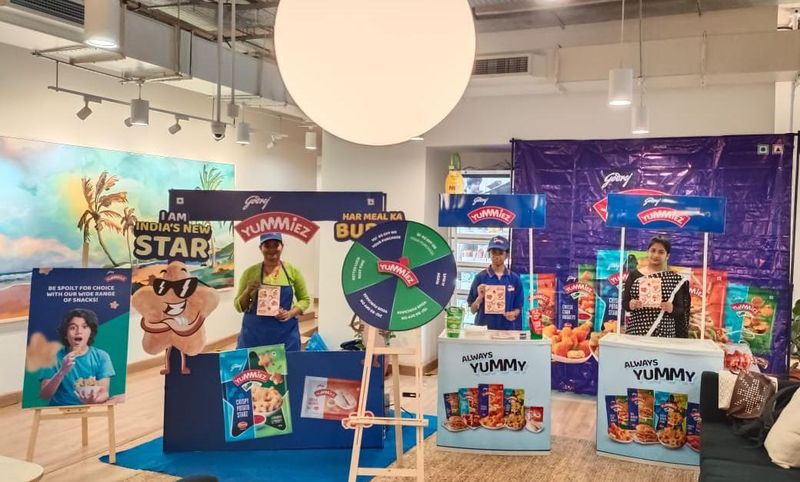
CupShup's taste-to-transaction sampling campaign that drove Rs 78 lakh+ in weekend sales
That's the honest fmcg marketing lesson from a single weekend: no fmcg brand fully earns trust through advertising alone. Sampling marketing - putting the product directly in someone's hands - is still the fastest way to convert genuine skepticism into a repeat customer.
Want ad copy that builds on a taste-test win like this? Ad Copy Generator builds high-converting ad copy for Meta, Google and LinkedIn with A/B variations.
For an on-ground fmcg marketing campaign built around real product trial, our Offline Marketing team runs full-stack BTL and sampling programs like Godrej Yummiez's.
Got an fmcg brand that needs trust built one sample at a time? Let's talk.
Why Product Sampling Still Beats Every Other FMCG Tactic
Product sampling remains the fastest way to close a trust gap no ad campaign can close on its own. Godrej Yummiez needed exactly this: frozen food in India still carries real skepticism that no messaging - urban or rural marketing India-wide - fully overcomes without a taste test.
CupShup ran a hyperlocal taste-to-transaction product sampling activation across metro cities that turned skepticism into 78 lakh+ rupees in on-spot sales over a single weekend and 73% repeat purchase intent - proof that product sampling still outperforms almost any other tactic when trust is the real barrier, whether the market is metro, rural marketing India, or anywhere in between.
No marketing agency in Mumbai or any other metro fully replaces what product sampling proved here: putting the product directly in someone's hands is still the fastest way to convert genuine skepticism into a repeat customer.
No marketing agency mumbai teams typically work with would recommend skipping product sampling for an FMCG launch this skeptical - rural marketing india and metro campaigns alike still convert fastest through a real taste test.
Whether the brief comes from a marketing agency mumbai keeps in-house or an FMCG team running rural marketing india expansion, product sampling remains the fastest way to close a trust gap advertising alone can't.
50 Integrated Marketing Campaign Ideas
The complete playbook with campaign frameworks, budget templates, and measurement guides for Indian brands.
Instant download + email copy. No spam, ever.
Explore CupShup Services
Brands that read this article also explored these services.
Brand Activation Agency India
India's leading brand activation agency, 400+ campaigns, pan-India reach, real-time dashboards.
Learn more ExperientialExperiential Marketing Agency
End-to-end experiential campaigns that create memorable brand moments and drive measurable ROI.
Learn more BrandBrand Strategy Services
Brand identity, positioning, and messaging frameworks built for competitive Indian markets.
Learn moreGodhuli Vyas
Related Stories
Go Deeper with Our Free Guides
Comprehensive, in-depth marketing guides created by CupShup's experts.
The Ultimate Guide to Experiential Marketing
A comprehensive guide covering experiential marketing from strategy to execution. Learn about event experiences, pop-ups, immersive experiences, retail activation, sensory marketing, gamification, community building, storytelling, production, staffing, amplification, and measurement. Includes 50+ term glossary and action plans.
BTL Marketing: The Complete Guide to Below-the-Line Strategies in India
Practical below-the-line strategies and field examples tailored to the Indian market. Covers in-store activations, product sampling, retail engagement, and measurable ROI.
The Ultimate Guide to Brand Activation
A comprehensive guide covering brand activation from strategy to execution. Learn about experiential marketing, sampling campaigns, event marketing, pop-ups, retail activations, guerrilla marketing, production, staffing, measurement, and budgeting. Includes 50+ term glossary and action plans.