
When Brands Joined Pop Culture Correctly (And When They Didn’t)
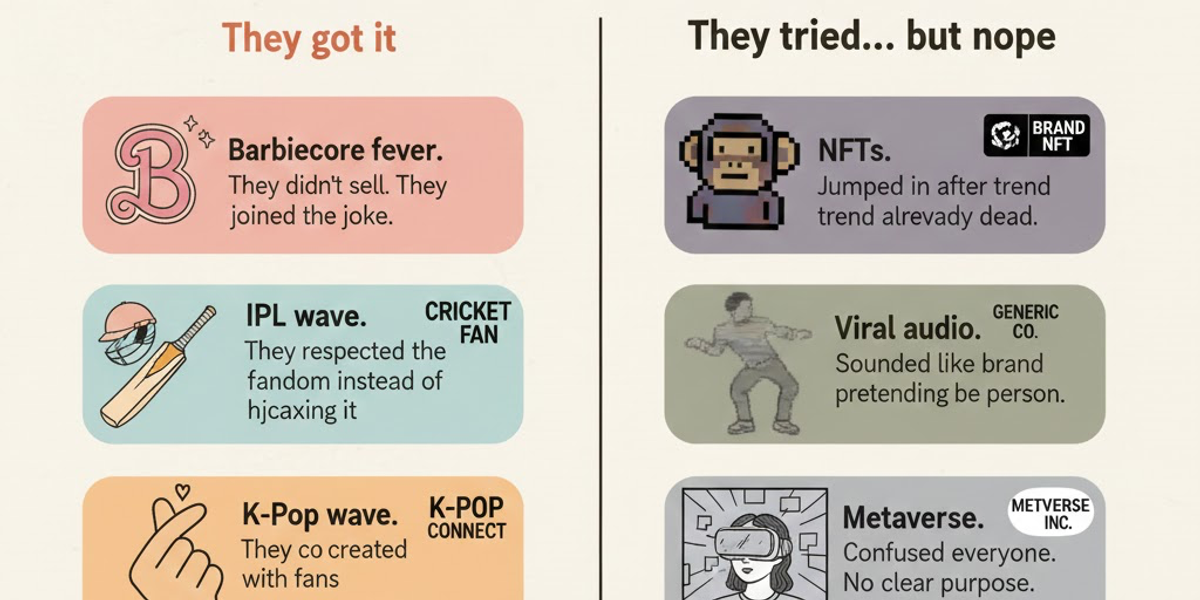
Why cultural relevance is a skill, not a stunt in modern marketing campaigns
Looking for a social media marketing agency that drives real business results? CupShup combines AI-powered analytics with creative storytelling to build social media strategies that convert followers into customers.
Every brand today wants to “be part of pop culture”.Pop culture, on the other hand, is sitting there quietly thinking, “Par tu hai kaun?”
And that is where the gap lies.
Pop culture is not a trend deck. It is not a meme you borrow on Monday and forget by Friday. It is a living system of references, emotions, nostalgia, rebellion, humor, and shared memory. It is built slowly and judged instantly.
As a team working across content, social, and experiential marketing campaigns, this is something we keep coming back to whenever we brainstorm ideas. Someone will inevitably say, “This will trend”, and someone else will counter with, “Haan, but will it belong?” That question usually changes the direction of the entire marketing solution.
This blog breaks down why some brands enter pop culture like they belong there, while others enter like an uninvited relative at a shaadi buffet. Same intention, very different reaction.
Pop Culture Is Not a Moment. It Is Context in Marketing.
One of the biggest myths in marketing rooms is that pop culture is about timing alone. Catch the trend early, ride the wave, move on.
But pop culture is less about kab and more about kaise.
Audiences do not meet your campaigns in isolation. They bring their history with your brand, their mood that day, their social feed context, and their own cultural filters. That is why the same marketing idea can feel fresh from one brand and forced from another.
This comes up often in our internal discussions, especially between content and social teams responsible for amplification. Yuvana once pointed out while reviewing a few trending brand campaigns, “People don’t hate brands online. They hate brands pretending to be people”.
Pop culture does not reward pretending. It rewards awareness and context-driven participation.
When Brands Get It Right, They Do Not Force Entry Into Culture
A strong example of this is Gap and its “Better in Denim” campaign.
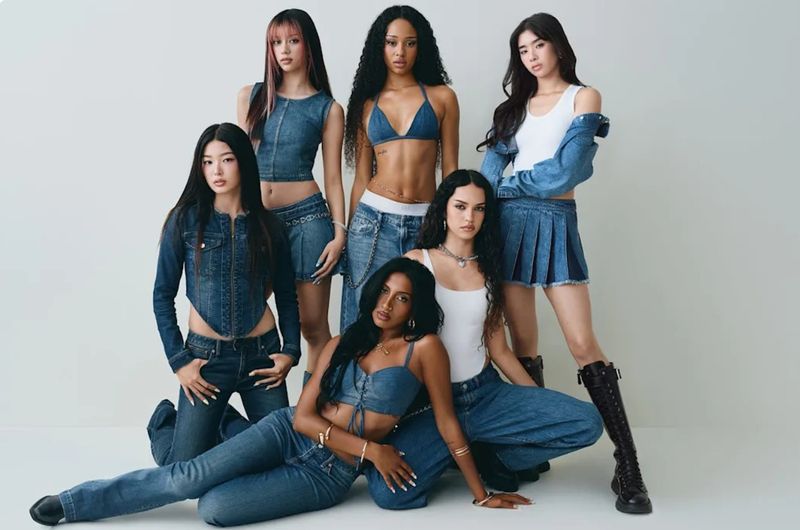
At a glance, the campaign had everything we see everywhere today. Music, movement, young creators, sharp visuals. But what made it work was not what they added. It was what they did not overdo.
Gap did not try to sound younger than it is. It did not suddenly adopt internet slang or explain itself too much. It stayed rooted in what it already owned. Denim as a cultural constant. Self-expression without trying too hard. Nostalgia that felt familiar, not forced.
The outcome spoke for itself. Over 400 million views, more than 8 billion impressions, and a clear business impact with double-digit denim growth driven by smart amplification.
During one review discussion, Sourav summed it up simply. “Gap didn’t shout. They showed up at the right volume”. That is something experienced marketing professionals instinctively understand. When you belong, you do not need to announce it.
Cultural Permission Is Earned, Not Bought With Marketing Budgets
Not every brand gets automatic entry into every cultural space. And honestly, that is fine.
Cultural permission builds over time. It comes from how consistently a brand shows up across campaigns, how it behaves when it is not trying to trend, and whether people trust its intent.
This is where many brands slip. They assume visibility equals acceptance.
Deeksha, who works closely with client servicing and experiential marketing planning, often reminds us that backlash is not always about saying the wrong thing. “Most backlash happens when you say the right thing in the wrong place”, she says.
Pop culture spaces are quick to sense when a brand is visiting versus when it actually belongs.
When Participation Backfires, It Is Usually About Control and UGC
The McDonald's #McDStories campaign is still one of the clearest lessons in participation and ugc gone wrong.
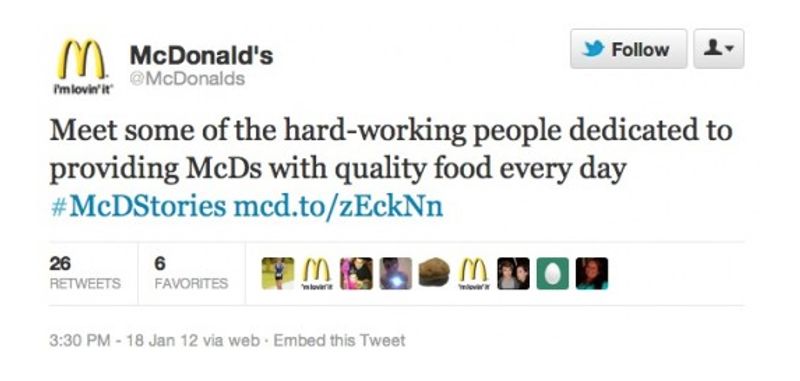
The idea was warm and familiar. Invite people to share memories. Let the audience tell the story.
What followed was honest, unfiltered feedback that did not always align with the brand’s expectations. This was not trolling. It was participation without boundaries.
As Maaz once joked while reviewing a ugc-heavy campaign idea, “UGC is like chai. Amazing when you control the sugar. Risky when you don’t”.
When you invite the internet in, you are also inviting its memory, opinions, and honesty. That is not a bad thing, but it needs preparation and clear marketing frameworks.
Context Matters More Than Cleverness in Marketing Campaigns
A similar lesson came from Burger King UK, where a tweet relied heavily on follow-up context to land correctly.
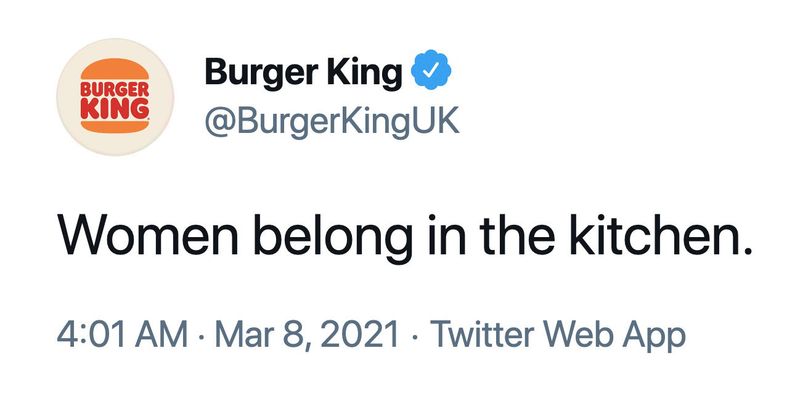
On social media, people react first and read later, if at all. Screenshots travel faster than explanations. That is just how amplification works today.
Divyanshu and Surya once said something that applies perfectly here. “If people screenshot your first line, that is the campaign. Not the clarification thread”.
This does not mean brands should play safe. It means they should respect how quickly meaning forms online.
Cultural Sensitivity Is Strategic, Not Optional in Experiential Marketing
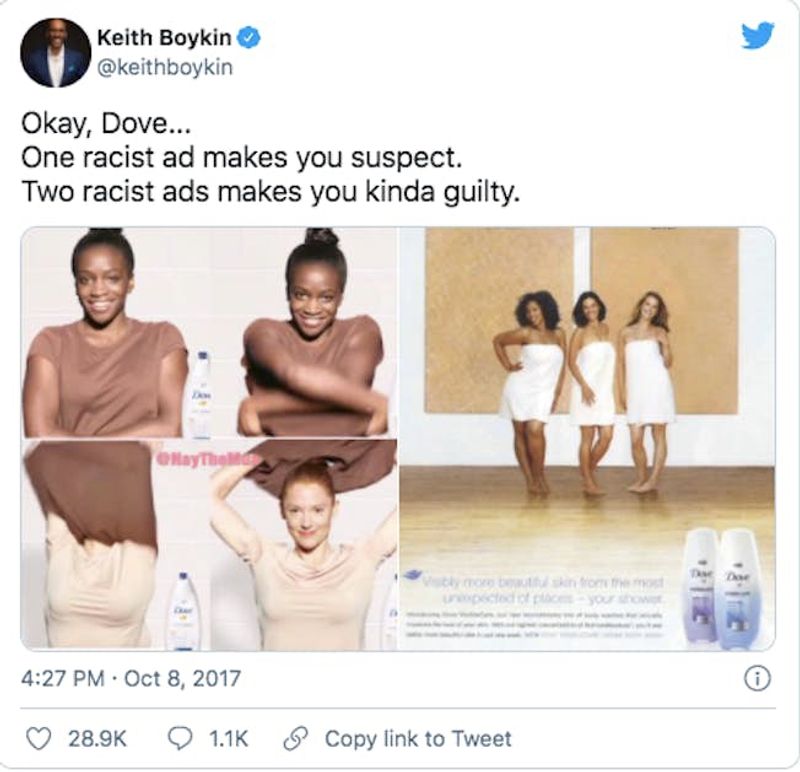
Campaigns from Victoria’s Secret and Dove show how cultural blind spots can undo years of marketing equity.
Read next: Community Marketing Strategy: How to Build Campaigns Arou..., User Generated Content Marketing: When Fans Become Your B..., and Why Brands Still Use Facebook?.
These situations were not about bad intent. They were about missing perspective.
Cultural symbols are not decorative elements. They come with history and emotion. When brands use them lightly, audiences respond strongly.
Someone from ops once said during an internal review, “If someone has to explain why it hurts, it already hurt”. That is why experienced teams build checks early, especially in experiential marketing setups.
How Experienced Marketers Reduce Cultural Risk in Campaigns
Pop culture marketing will always involve risk. That is part of its power. The goal is not to remove risk, but to manage it smartly.
Seasoned teams do a few things consistently:
Why Brands Choose CupShup as Their Social Media Marketing Agency
CupShup isn't just another social media marketing agency — we use AI-driven insights to identify trending content opportunities, optimize posting schedules, and create thumb-stopping creatives. With 10,000+ campaigns executed across 300+ cities, our social media strategies are backed by real performance data, not guesswork.
- They test ideas for misinterpretation, not just memorability
- They use social listening before launch, not after
- They involve different internal perspectives early
- They choose clarity over complexity
Sidharth from tech once mentioned while reviewing a campaign landing page, “If your message breaks when it loads slowly, it was never strong enough”. The same logic applies to culture-driven marketing solutions.
Think of Your Brand as a Person in the Room During Participation
One of the simplest ways we evaluate cultural fit internally is this.
If your brand were a person at a party, would it be listening or interrupting? Adding to the conversation or hijacking it? Would people want to talk to it again?
Gap felt like it belonged.McDStories lost control of the mic.Burger King learned how fast context disappears.
Pop culture is not impressed by effort. It is impressed by awareness and respectful participation.
Final Thoughts on Marketing, Culture, and Amplification
Pop culture is not a shortcut to virality. It is not a checklist. And it is definitely not something brands control.
It is a relationship built over time. Through consistency, respect, and knowing when to speak and when to stay quiet.
Brands that get it right do not chase trends. They understand people. They show up without forcing relevance. And when they succeed, they do not just trend for a day.
They become part of the story people were already telling.
Bas wahi difference hai.
Want to Build Culture-Led Campaigns That Actually Work?
If you are a brand looking for smarter marketing solutions, stronger amplification, or experiential marketing campaigns that feel natural instead of noisy, let’s talk. Start by exploring our blogs or checking out our work on LinkedIn or Instagram.
If you want to have a direct conversation, write to us at contact@cupshup.co.in and let’s figure out how your brand can belong, not interrupt.
Get Started with CupShup Today
Ready to see real results? Book a Free Social Media Strategy Call → Join 500+ brands that trust CupShup.
50 Integrated Marketing Campaign Ideas
The complete playbook with campaign frameworks, budget templates, and measurement guides for Indian brands.
Instant download + email copy. No spam, ever.
Explore CupShup Services
Brands that read this article also explored these services.
Social Media Management
Strategy, content creation, and community management across Instagram, LinkedIn, and more.
Learn more InfluencerInfluencer Marketing Services
Curated influencer campaigns with performance tracking, brand safety, and ROI reporting.
Learn more ActivationBrand Activation Agency India
Turn brand awareness into real-world engagement with CupShup's 400+ activation track record.
Learn moreAakriti Mishra
Senior Marketing Strategist at CupShup with over 8 years of experience in brand activation and integrated marketing campaigns. Aakriti specializes in creating data-driven strategies that deliver measurable results for modern brands.
Related Stories


Go Deeper with Our Free Guides
Comprehensive, in-depth marketing guides created by CupShup's experts.
The Ultimate Guide to Brand Activation
Everything you need to know about bringing your brand to life, strategies, examples, and frameworks.
The Ultimate Guide to Digital Marketing
Master every channel in the modern digital marketing ecosystem, from SEO to paid media.
The Ultimate Guide to SEO
The definitive guide to search engine optimization, on-page, technical, and link building strategies.