
The Future of Influencer Marketing Isn’t "Influencers"

Here’s an uncomfortable truth: we’ve hit peak influencer.Every scroll feels like déjà vu, the same morning routines, the same "Get Ready With Me” transitions, the same #Ad tagged with "Totally my honest opinion!” energy.
Tracking influencer marketing trends for your next campaign? CupShup plans creator campaigns with AI-led matching and measurement, so reach turns into results you can prove.
But here’s the twist: influencer marketing isn’t dying. It’s just evolving. The future isn’t about influencers, it’s about influence. These are the influencer marketing trends worth planning around.
At CupShup, we’ve seen this shift play out in real time. A few years ago, brands would ask us for "the biggest face on Instagram". Now they ask for "someone people actually believe". And honestly? That’s progress.
Why the Old Playbook Stopped Working
Remember when every skincare brand was using the same five beauty creators? Or when every new app sponsored a "Day in My Life” video? That era worked, until it didn’t.
Consumers got smart. They can spot a forced plug faster than a bad Photoshop edit. The Edelman Trust Barometer reported in 2024 that over 63% of Gen Z now trust everyday creators more than celebrities or macro influencers. People want relatability over reach, authenticity over aesthetic.
Look at Khaby Lame, who became a global phenomenon by saying nothing. Or the rise of Tanishq’s "Everyday Icons” series, which featured teachers, homemakers, and local artists instead of celebs. These stories worked because they felt real.
Even when we worked on smaller influencer tie-ins for clients, we saw this first-hand. For one D2C wellness brand, instead of going for a big face, we partnered with local yoga instructors, people who actually use the product and talk about it to their 3K-5K followers. The results? Better engagement, more saves, and higher trust.
And if you look beyond digital, campaigns like Lee’s audacious “Boxer’s Challenge” prove that real influence isn’t about follower count, it’s about cultural boldness. When Lee Jeans, along with the Jordindian, turned Bangalore’s Church Street into a confidence runway by daring participants to “step out in their boxers” for free denim. It didn’t just trend online; it became a street-level conversation. That fusion of guerrilla creativity, influencer-led amplification, and sheer cultural timing turned a stunt into a statement, and a brand moment into movement.

Turns out, you don’t need a million followers to move markets. You just need credibility. That is why influencer marketing trends now favour credibility over reach.
One of the biggest influencer marketing trends is the move toward nano influencers, creators with small but loyal audiences who reply to comments and know their followers by name.
The Rise of the Micro, the Nano, and the "Not Really an Influencer”
The future of influence lies with creators who don’t even see themselves as "influencers". That is the heart of the future of influencer marketing: smaller, closer, more credible voices.
Take Sejal Kumar or Kusha Kapila, their early success came not from perfection, but personality. Today, micro-creators like Meghna Kaur, Tarini Peshawaria, and Ankush Bahuguna drive more meaningful engagement than some of the top-tier names, simply because they talk with their audience, not at them.
But this doesn’t stop at lifestyle content. Even niche creators, from Anmol Jaiswal (who reviews bikes in local dialects) to Saloni Gaur (who blends satire with social commentary), are proving that cultural relevance beats celebrity reach every time.
Brands have finally caught up. They’re not just looking for faces anymore; they’re looking for fit. Nano influencers, with audiences of a few thousand, are a big part of that shift.
What We’ve Learned at CupShup
When it comes to influencer marketing, we’ve made our fair share of experiments, and mistakes (some of them gloriously public). But over time, a few patterns emerged that shaped our playbook:
- Influencers amplify; they don’t create trust alone. Which is why we never rely on them as standalone voices, they’re extensions of a campaign, not the campaign itself.
- Authenticity > Polish. Our team still laughs about the time Surya accidentally filmed a raw, shaky video of a product demo during a hyperlocal event, and that clip outperformed the professionally shot ad by 3x.
- Local relevance wins. For a fintech client, we worked with regional creators who explained complex investment concepts in Hindi, Tamil, and Marathi. Engagement skyrocketed because people finally understood the product.
In short: the future belongs to those who can create connection, not just content.

The New Age of Influence: Data Meets Gut
Here’s where things get interesting, AI has entered the chat (literally).
Today, discovering the right creator isn’t just about scrolling through Instagram at 2 AM with cold coffee and hope. All-in-one platforms like Modash, Affable, and Upfluence help brands analyze audience quality, engagement patterns, and even fake follower ratios.
At CupShup, we use a mix of tools and instinct. Tools tell you who reaches your audience; instinct tells you who your audience will listen to. When Maaz, one of our strategists, pitched a regional campaign for a men’s grooming brand, he used AI to shortlist 50 creators based on location and language, and then picked just 7 whose humor matched the brand’s tone. Those seven ended up generating more traction than the rest combined.
That’s the sweet spot: data sharpens your intuition, but human instinct seals the deal.
What Brands Should Look for Now
Here’s the new influencer checklist, and no, follower count isn’t on it.
- Believability: Does their audience trust them? Do their comments sound genuine, or like a copy-paste chorus?
- Cultural Fit: Do they "get” the brand vibe? Would they actually use your product in real life?
- Content Versatility: Can they make the brand fit their world naturally, not force it into a script?
- Community Value: Do they create conversations, not just content?
- Consistency: Do they show up regularly, or only when there’s a brand brief in their inbox?
Read next: Tap The City: Why Local Creator Networks Are the Real VIP..., Why local celebrities outperform national stars in RWA ev..., and The Power of Hyperlocal Influencers in Campuses.
The real win lies in creators who treat brand collaborations like relationships, not transactions.
The Pitfalls (a.k.a. How to Ruin a Good Campaign Fast)
We’ve seen brands mess this up, sometimes spectacularly.
- Too Many Influencers, Zero Influence: When every second post is sponsored, even the audience starts playing "spot the brand plug".
- Over-Scripting: Nothing kills authenticity faster than a 3-line caption written by a legal team.
- Ignoring the Small Voices: Micro-creators often outperform macros in conversion. Overlooking them is like skipping street food for a five-star buffet, you’ll miss the flavor. Nano influencers are the clearest example of this.
- One-Off Collabs: Real influence takes time. A one-post deal rarely builds long-term impact.
In short, don’t just buy influence. Build it. Keep that in mind as influencer marketing trends keep changing.

The CupShup Take: Influence Is a Two-Way Street
Influencer marketing isn’t about who talks for your brand anymore, it’s about who talks with your audience.
That’s why we always tell our clients: influencer amplification should never be an afterthought; it’s part of the brand story.
When we worked on campaigns like Flipkart Minutes or Ustraa, our approach was simple, the offline buzz was amplified by real people online. RWA events, pop-ups, and street stalls were extended through creator collabs who lived the experience and told it their way. The brand’s voice stayed intact; the reach expanded organically.
Influence didn’t start on a screen, it started on the ground.
A Real Example: GoDesi in Karnataka and Tamil Nadu
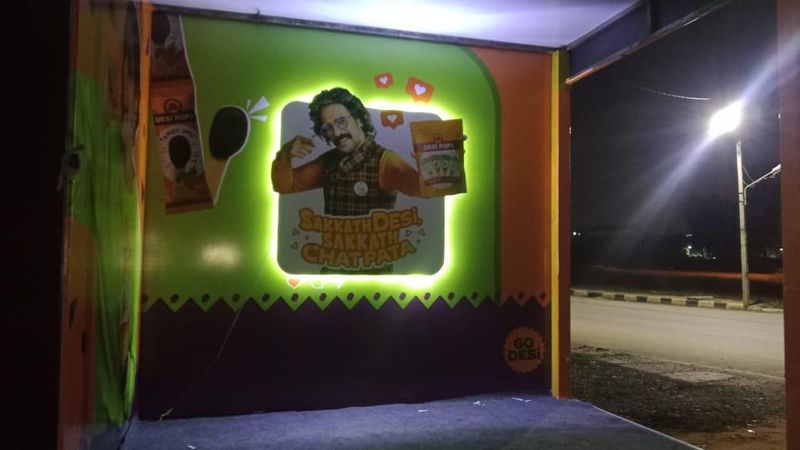
For GoDesi, a D2C candy brand, CupShup ran a regional-first integrated campaign across Karnataka and Tamil Nadu. Sequenced activation, creator-led storytelling and a kirana-to-e-commerce funnel delivered 85,000+ engagements, 35,000+ samples, 5,000+ first-time purchases and a 32% brand recall lift. Read the GoDesi case study. The lesson: creators work best as one part of a planned, on-ground and digital sequence, which is where the future of influencer marketing is heading.
Influencer Marketing Trends: Common Questions
What are the biggest influencer marketing trends right now?
Brands are shifting from follower count to credibility, local language relevance and long-term creator relationships. Nano influencers, regional creators and AI-led matching are the trends we see most often in planning conversations.
Why are nano influencers worth working with?
Nano influencers have small audiences that trust them, so comments, saves and replies tend to be more genuine. They also cost less per creator, which lets brands cover more cities and languages in one campaign.
What does the future of influencer marketing look like?
The future of influencer marketing is about community, not celebrity. Expect more nano influencers, creators tied to real places and events, and measurement that tracks business results instead of likes.
The Final Word
The influencer industry isn’t collapsing; it’s maturing.The next wave of creators won’t be defined by follower count, but by follow-through.
They’ll be community builders, educators, entertainers, people with purpose, not just presence.
So, the future of influencer marketing? It’s not about influencers at all.It’s about humans who know how to connect, and brands smart enough to let them.
Want to plan your own creator calendar? Try the CupShup content calendar tool to line up creator posts with your campaign dates.
New to social? Download the free Social Media Marketing guide for a step-by-step view of planning, posting and measuring.
Need help finding the right creators? See our influencer marketing service and how we plan nano influencers and regional creators into integrated campaigns.
Ready to talk about influencer marketing trends for your brand? Let's talk.
Let’s Talk Real Influence
Want to work with creators who actually influence?
See how we bridge the gap between offline experience and digital storytelling. Visit CupShup and meet the new era of collaboration.
Get Started with CupShup Today
Ready to see real results? Book a free strategy call with a team that has worked with 400+ brands over 10 years. Let's talk
50 Integrated Marketing Campaign Ideas
The complete playbook with campaign frameworks, budget templates, and measurement guides for Indian brands.
Instant download + email copy. No spam, ever.
Explore CupShup Services
Brands that read this article also explored these services.
Digital Marketing Agency
Full-stack digital marketing, performance, social, content, and programmatic campaigns.
Learn more AIAI-Powered Digital Marketing
AI-first marketing campaigns powered by data, automation, and predictive analytics.
Learn more InfluencerInfluencer Marketing Agency
Performance-led influencer campaigns, micro to macro, Instagram to YouTube, with trackable ROI.
Learn moreYuvana Singh
Creative Director passionate about storytelling and brand innovation. Yuvana leads CupShup's creative team, bringing fresh perspectives to campaign development and helping brands connect with their audiences through compelling narratives.
Related Stories

Go Deeper with Our Free Guides
Comprehensive, in-depth marketing guides created by CupShup's experts.