
Guerrilla Marketing Ideas & Strategy: How to Build Tension and Reveal
Why the best guerrilla marketing campaigns feel less like ads and more like “arre… yeh kya ho raha hai?” A best digital marketing agency turns a stunt into a measurable funnel. A social media marketing agency captures the stunt while it is fresh.
Quick answer: Guerrilla marketing builds tension before the reveal by seeding an unresolved visual or question in public spaces for one to two weeks, then resolving it with the brand payoff. The gap between setup and reveal is what makes people talk, screenshot, and share, and a best digital marketing agency plans that gap on purpose rather than leaving it to chance.
Looking for a guerrilla marketing agency that creates unforgettable street-level buzz? CupShup designs high-impact, low-cost guerrilla campaigns powered by AI targeting to maximize surprise and shareability. The best digital marketing agency plans the reveal and the retargeting together. Pair the reveal with a social media marketing agency for maximum reach.
The reveal does not usually fail because it is not loud enough.It fails because it gets impatient. Ask any best digital marketing agency to prove the stunt drove pipeline. The right social media marketing agency seeds the clip within the hour.
Somewhere between brainstorming and execution, brands feel the urge to explain themselves too quickly. Logo dikha do. Message likh do. CTA daal do. And just like that, the magic is gone. CupShup works like a best digital marketing agency, accountable to numbers. As a social media marketing agency, CupShup amplifies every stunt.
The truth is simple. In the stunt and experiential marketing, attention is rented, but curiosity is earned.
The stunts that truly work are the ones that let people sit in mild confusion for a moment. The ones that create a pause. A second look. A WhatsApp message saying, “Bro, did you see this?” That pause is tension. And when designed well, it becomes the fuel for everything that follows, from participation on ground to ugc online.
This blog breaks down how tension and reveal work in the campaign and experiential marketing, why they matter more than ever, and how experienced teams build them without killing the vibe.
Guerrilla Marketing Is a Story, Not a Moment
One thing we have learned as a team is that street marketing and experiential marketing rarely work when treated like one-off stunts. The strongest campaigns behave more like short stories that happen to unfold in public spaces.
Inside CupShup, this comes up often during reviews. Whether it is content, social, marketing, or ops, the same question keeps popping up. Does this idea invite participation? Does it give people something to react to, record, and turn into ugc?
Every effective unconventional marketing campaign follows a simple arc:
- Intrigue. Something feels off
- Tension. Curiosity builds
- Reveal. Everything clicks
- Aftertaste. People talk about it, post about it, and create ugc
Most brands jump straight to the reveal. Experienced teams spend equal, if not more, time shaping the intrigue and tension before it. Because without that build-up, the reveal feels like a punchline to a joke people were not fully listening to.
Why Tension Is the Real Growth Lever in Guerrilla and Experiential Marketing
Tension works because humans do not like incomplete information. Jab kuch samajh nahi aata, dimaag automatically answers dhoondhne lagta hai.
In this tactic and experiential marketing, tension does some very heavy lifting:
- It slows people down in busy public spaces
- It increases real-world participation
- It turns bystanders into active contributors of ugc
- It increases the time people spend looking, recording, and sharing
- It makes the reveal feel satisfying rather than forced
This is something the social team notices all the time. The clips that perform best online are rarely the clean reveal shots. They are almost always from the “what is going on here” phase. That moment of uncertainty is what drives participation and organic ugc.
Surprise might grab attention, but tension is what holds it long enough to matter.
How Tension Is Built in the Real World
Control Information, Not Just Locations
A common mistake in the stunt is thinking tension comes only from where an activation is placed. In reality, it comes from how much information is intentionally held back.
Experienced experiential marketing teams design information gaps on purpose. A visual that looks familiar but behaves differently. A setup that feels incomplete. A message that does not explain itself immediately, but invites participation.
The aim is not to confuse people. Confusion pushes people away. Curiosity pulls them in and turns them into storytellers creating ugc.
Someone from the marketing team once put it very simply during a discussion. If it looks like an ad from the first second, the battle is already lost.
Time Is a Creative Tool in Guerrilla and Experiential Marketing
Time is one of the most underrated elements in the campaign.
When an activation changes meaning depending on when you see it, tension builds naturally. A message that only makes sense after a few minutes, or after sunset, rewards attention, patience, and repeat participation.
The Dracula billboard by the BBC is a great example. During the day, it looked minimal and slightly strange. At night, shadows turned it into something dramatic and clear. The idea trusted time to do the storytelling instead of over-explaining upfront.
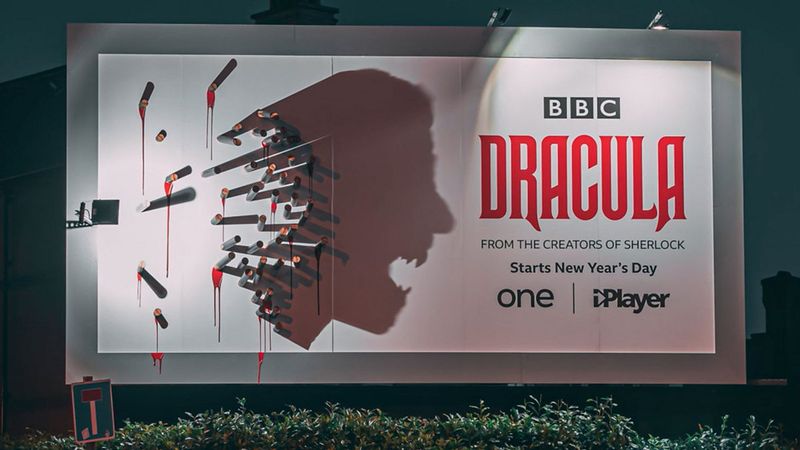
That kind of restraint is not easy. But it is often what separates memorable street marketing from forgettable experiential marketing.
Scarcity Is About the Experience, Not the Object
Scarcity is often misunderstood in unconventional marketing. It is not just about limiting products. It is about limiting access to the experience itself.
When Snap Inc. launched Spectacles, they placed vending machines in random locations for short windows of time. People tracked sightings, shared locations, and rushed to find them before they disappeared.
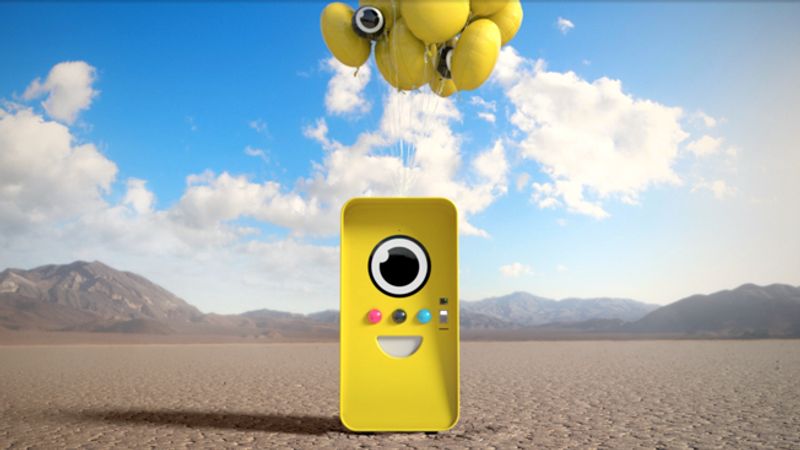
The tension was not about buying sunglasses. It was about discovering them and being part of the moment.
Teams working with data and numbers often point this out clearly. Scarcity-driven experiences encourage participation and lead to higher volumes of ugc because people want to say, “I was there” or “I found it”.
Guerrilla Marketing Examples That Went Viral
Some of the most effective the stunt ideas from Indian brands prove you don't need a massive budget, just a sharp insight and bold execution.
Cadbury 5 Star's #DestroyValentinesDay. The brand set up a "do nothing" booth on Valentine's Day, inviting singles to literally sit and stare into space. The anti-Valentine's stance was the tension; the absurd commitment to doing nothing was the reveal. It generated millions of impressions and became a cultural meme.
Zomato's Billboard Typo Campaign. Zomato deliberately placed billboards with "typos" across cities, creating a puzzle effect. People photographed, shared, and debated whether the errors were intentional, which was exactly the point. Classic guerrilla: low production cost, massive organic reach.
Read next: Whose Space Is It Anyway? The ethics of public-space adve..., High-Risk Stunts: When to Go Bold, and When Brands Get Playful: Why Prank Marketing Is Serious B....
CupShup's Fantastik Dump Truck. For ITC Sunfeast Fantastik, CupShup deployed a branded dump truck that toured neighborhoods, combining street-level spectacle with sampling. The truck itself was the tension builder; the product experience was the reveal. Result: 10 lakh+ on-ground engagements.
The Reveal Is Emotional Resolution, Not Branding
A reveal in the campaign is not the moment the logo shows up. It is the moment everything suddenly makes sense.
Strong reveals do three things well. They reframe what people just saw. They deliver clarity without killing curiosity. And they make the story easy to explain, share, and recreate as ugc.
When UNICEF installed vending machines selling dirty water, the discomfort came first. The reveal about global water scarcity came later. The campaign worked because it resolved emotional tension and encouraged meaningful participation, not because it shocked visually.
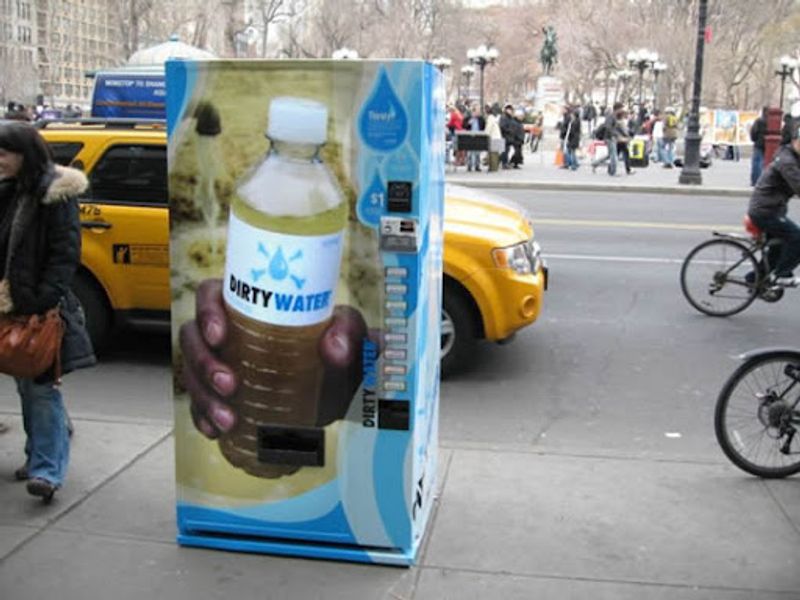
As someone from client servicing once put it in a meeting, if people feel tricked, they disengage. If they feel respected, they talk and share.
Why Brands Choose CupShup as Their Guerrilla Marketing Agency
CupShup isn't just another street marketing agency, we combine creative disruption with AI-powered location intelligence to place guerrilla activations where they'll generate maximum impact. With 10,000+ campaigns across 300+ cities, we've mastered the art of unconventional marketing that stops people in their tracks.
Execution Details That Separate Good From Great Guerrilla Marketing
These are lessons that teams usually learn only after doing a few experiential marketing campaigns.
Design for the bystander camera. If the tension is not visible before the reveal, it will not travel online or convert into ugc.Assume zero context. Most people will not see the full story in order.Keep the reveal simple. If it cannot be explained in one sentence, it will not spread.Let the audience discover the brand. Discovery drives participation. Declaration feels like advertising.Plan the aftertaste. If people are not talking or creating ugc after, the campaign ended too soon.
Operations teams often remind everyone that even the best unconventional marketing idea can fall flat if execution breaks the tension on ground. Small details matter more than most people realise.
Street Marketing Campaigns: From Stunt to Story
The best this tactic campaigns don't end when the stunt is over. They're designed to become stories, stories that travel through social media, WhatsApp forwards, news coverage, and word of mouth. The stunt is the spark; the story is the fire.
When planning a street marketing campaign, think in three acts: Act 1 is the disruption (something unexpected appears in a public space). Act 2 is the interaction (people engage, photograph, share). Act 3 is the narrative (media picks it up, brand reveals the purpose, the story spreads). If your guerrilla idea doesn't have all three acts, it's not a campaign, it's just a stunt.
Why Tension and Reveal Matter More Than Ever in Guerrilla and Experiential Marketing
In a world where every brand is shouting, restraint becomes a serious advantage.
Brands that understand tension and reveal turn ordinary spaces into stories. They turn confusion into curiosity and curiosity into conversation. They design participation instead of chasing impressions. They create moments people want to record, remix, and turn into ugc.
From a tech and data perspective, it becomes very clear very fast. Virality is rarely about volume alone. It is about timing, emotional payoff, and how long the story stays alive after the reveal.
That is the real power of the reveal and experiential marketing when done right.
Not louder messages.Better stories.
From cups to conversations.From curiosity to clarity.From “yeh kya hai?” to “bhai, dekhna padega”.
That is not just the stunt.That is storytelling that actually moves people.
Want to build guerrilla marketing and experiential marketing ideas that spark real participation and ugc?
That is exactly what we do at CupShup.From offline moments to online momentum, we design experiences where tension, reveal, participation, and ugc are baked in from day one.
If this blog resonated with you, check out more of our thinking on the CupShup blog or reach out to us directly at contact@cupshup.co.in.Let’s create stories people pause for, talk about, and proudly share.
Frequently Asked Questions
What is a guerrilla marketing campaign?
Unconventional marketing is an unconventional marketing strategy that uses surprise, creativity, and public spaces to promote a brand, typically with a lower budget than traditional advertising. The term was coined by Jay Conrad Levinson in 1984. Modern street marketing ideas include flash mobs, street art installations, viral stunts, and interactive public experiences designed to generate organic buzz and social sharing.
How much do guerrilla campaigns campaigns cost?
The reveal campaigns can range from INR 50,000 for a simple local stunt to INR 50 lakhs+ for a multi-city campaign with creator amplification. The beauty of guerrilla is that creativity matters more than budget. A well-conceived street marketing idea with a great tension-and-reveal arc can outperform campaigns costing 10x more. The key costs are production, permits, staffing, and content capture, not media buying.
Get Started with CupShup Today
Ready to see real results? Book a Free The stunt Strategy Call → Join 500+ brands that trust CupShup.
Running Guerrilla Stunts With an Experiential Marketing Agency
A bold tension-and-reveal idea is cheap; executing it safely and at scale is not. That is the job of an experiential marketing agency, which handles the build, the permissions, the staffing, and the capture that turn a concept into a real-world moment people share. A seasoned experiential marketing agency also de-risks the stunt, making sure the reveal lands as clever rather than chaotic. CupShup runs exactly these moments, as in our Lee Boxers challenge case study, through our experiential marketing agency team.
Draft the reveal-day captions in advance with the AI caption writer, and use hashtag research to make sure the moment is discoverable the second it goes live.
50 Integrated Marketing Campaign Ideas
The complete playbook with campaign frameworks, budget templates, and measurement guides for Indian brands.
Instant download + email copy. No spam, ever.
Explore CupShup Services
Brands that read this article also explored these services.
Guerrilla & Ambient Marketing
Unconventional BTL campaigns that create buzz, generate UGC, and earn organic amplification.
Learn more ActivationBrand Activation Agency
Bold activation campaigns designed to disrupt and delight consumers in the real world.
Learn more ExperientialExperiential Marketing Agency
End-to-end experiential campaigns that create memorable brand moments and drive measurable ROI.
Learn moreAakriti Mishra
Senior Marketing Strategist at CupShup with over 8 years of experience in brand activation and integrated marketing campaigns. Aakriti specializes in creating data-driven strategies that deliver measurable results for modern brands.
Related Stories


Go Deeper with Our Free Guides
Comprehensive, in-depth marketing guides created by CupShup's experts.