
13 Guerrilla Marketing Examples That Dazzled India in 2026
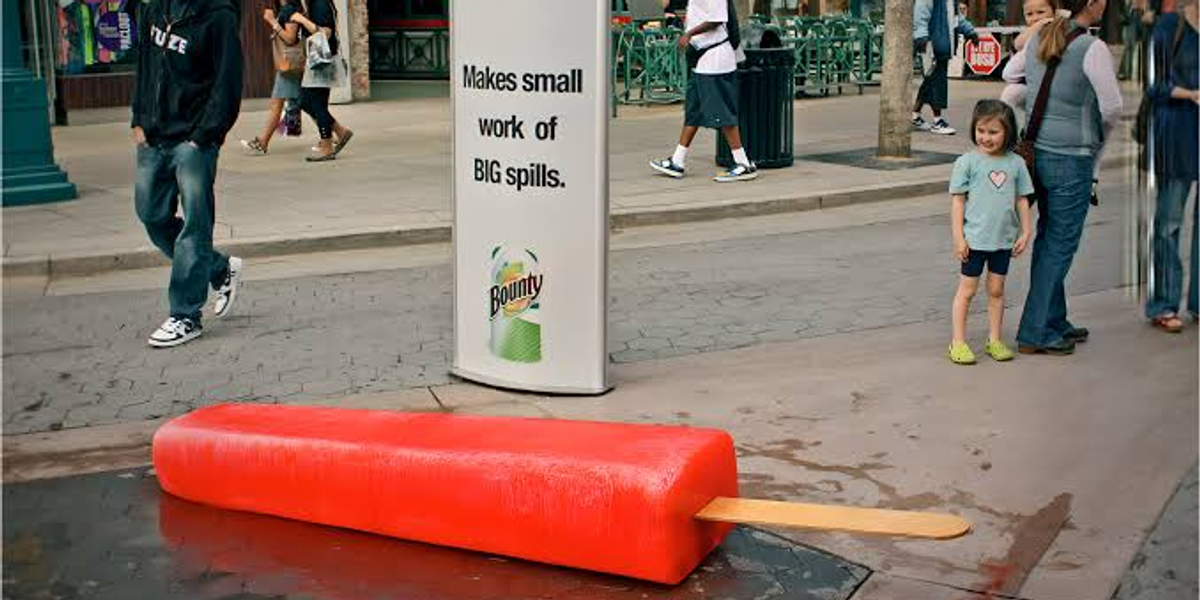
Want to make a splash without a massive budget? Guerrilla marketing examples offer a blueprint for brands looking to capture attention through surprise and creativity. In India, these unconventional tactics have a proven track record of generating significant buzz and engagement.
Watch: the Swiss Beauty activation
This guide explores some of the most impactful guerrilla marketing examples from India, showing how brands have used smart, out-of-the-box thinking to connect with audiences. You'll learn what made these campaigns work and how you can adapt their strategies for your own brand.
What is Guerrilla Marketing?
Guerrilla marketing is all about using unconventional, low-cost, and high-surprise tactics to create significant buzz for a brand. Think street installations, unexpected stunts, and clever placements in everyday environments. It borrows from guerrilla warfare, small, agile moves that deliver a big impact, often punching far above their budget.
Standout Guerrilla Marketing Examples in India
Swiggy Instamart x Godrej: HomesDelivered
In Bengaluru, Godrej partnered with Swiggy Instamart for a campaign that blended surprise with utility. Miniature house keys were slipped into grocery bags delivered by Swiggy. Customers who found a key could scan a QR code to learn more on a microsite. This campaign worked because it was unexpected and relevant to the act of ordering essentials, sparking curiosity and conversation.
Netflix's Sacred Games Billboard Reinvention
In Mumbai's key urban billboard zones, Netflix creatively reused old billboards. They added eerie symbols and blood-red visuals to promote 'Ghoul', linking it to the earlier 'Sacred Games' show. This smart reuse of existing media was cost-effective, visually striking, and tied into Netflix's brand storytelling. It proved that reinventing a space with a new twist can catch more attention than something entirely new.
Durex: ComeTogether Campaign
Nationwide, Durex tackled the orgasm gap in India with their bold #ComeTogether campaign. Backed by research showing a significant gap, the campaign encouraged open conversations about sexual wellness. It combined influencer storytelling, data, and witty digital content to spark dialogue on social media and in relationships, making Durex a voice for a critical issue.
Paper Boat's Nostalgic Storytelling
Paper Boat's animated film, "A Paper Boat Ride Down the River of Memories," narrated by Gulzar, tapped into deep nostalgia. The film evoked memories of childhood and festivals, linking emotions to their traditional drinks. This campaign didn't just sell a product; it sold a feeling, making Paper Boat products feel like time machines and connecting with viewers on a personal level.
CoinDCX's Bitcoin Chai Café
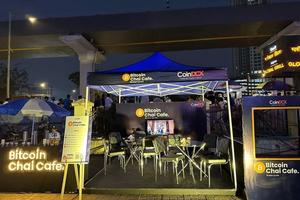
In Mumbai's tech parks and local tea stalls, CoinDCX made cryptocurrency accessible with their Bitcoin Chai Café. Tea was served in kulhads printed with Bitcoin memes and QR codes linking to crypto explainers. This campaign brilliantly anchored a complex topic to a beloved Indian ritual, chai, lowering the psychological barrier for many and bringing finance to the footpath.
Volkswagen's "Talking Newspaper"
Volkswagen brought innovation to the breakfast table by embedding a voice chip in The Times of India. Readers heard the roar of a Vento engine and a message about its features as they opened the newspaper. This sensory surprise interrupted a daily ritual, making the campaign unforgettable and reinforcing Volkswagen's innovative identity. It showed how physical interactivity in static media creates strong memory hooks.
Blinkit x Tinder: Billboard Banter
For Valentine's Day 2024, Blinkit and Tinder collaborated on witty billboards in major Indian cities. Tinder's board asked, "You up?" and Blinkit's responded, "See you in 10." This timely, funny, and perfectly targeted campaign leveraged playful brand humor and the relatable juxtaposition of dating and delivery services, making it highly shareable.
Fevicol's 'Stuck Together' at Kumbh Mela
At the Kumbh Mela, Fevicol created a visual spectacle with people dressed in a single T-shirt, appearing 'stuck together.' This humorous representation of their tagline, "Fevicol ka mazboot jod hai, tootega nahi," tapped into a massive cultural moment and the common experience of getting separated in crowds. It was a clever tie-in that earned significant organic reach.
"Are Those Neeman's Shoes?" Campaign
Neeman's launched a bold campaign where micro-influencers asked, "Are those Neeman's shoes?" in public spaces. The aim was to trigger smartphone voice assistants and drive searches. This unusual tactic, blending curiosity with a hint of digital paranoia, made people laugh and, more importantly, search for the brand.
Tinder's Ex-press Disposal Truck
In Delhi and Mumbai, Tinder deployed a pink dump truck with the tagline "Emotional Baggage? We'll help you dump it." This visually engaging installation allowed people to anonymously share stories or take photos. The campaign used a cheeky, relatable metaphor combined with humor, aligning perfectly with Tinder's promise of moving on and starting fresh.
Zomato's Topical Billboard Campaign
Zomato transformed billboards in Delhi, Mumbai, Bangalore, and Pune into dynamic cultural commentary. Their witty, hyperlocal copy responded to news, seasons, and city moods, like "Fog toh hai, hunger bhi hai" during winter in Delhi. Each board was designed to be screenshot-worthy, driving offline-to-online sharing and proving that creative sharpness matters more than media budget.
Swiggy's "Voice of Hunger" Instagram Hack
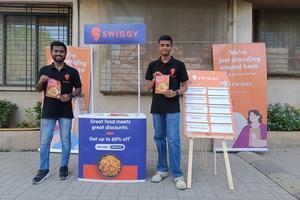
Swiggy's 2019 campaign challenged users to draw food using Instagram's voice note feature. The waveform resembled food items, and accurate drawings won prizes. This campaign cost almost nothing in media, generated massive organic participation, and won a Cannes Gold Lion. It demonstrated how spotting and framing a latent behavior within an existing app can be a powerful guerrilla strategy.
Zepto's "10-Minute Live Challenge"
Zepto proved its 10-minute delivery promise live in Bangalore and Mumbai. Activation booths were set up where orders had to be delivered within 10 minutes, or they were free. Camera crews captured the tense countdowns, with unedited footage going to Instagram Reels. This campaign turned a product claim into a high-stakes, credible brand moment.
Deconstruct UV Bouncer SPF checkpoint
In Bangalore, Deconstruct ran a mall activation focused on SPF protection. This initiative generated over 46,000 touchpoints, engaging consumers directly with the product's benefits in a high-traffic environment. It's a prime example of how targeted, on-ground brand activation can achieve significant reach and interaction.
Why Brands Choose CupShup for Guerrilla Marketing
Many agencies offer street marketing as a one-off stunt. At CupShup, we see it as a strategic channel for impactful on-ground brand activation. With over a decade of experience, a network across 300+ cities, and campaigns for hundreds of brands, we engineer measurable brand impact. Our approach combines hyperlocal insights with AI-powered planning to maximize reach and results, making us a leading this approach agency in India. Every CupShup activation is wired into marketing automation services from day one, so no lead captured on the ground goes cold.
The strongest these stunts examples don't end with on-ground engagement. When paired with performance marketing, brands can continue engaging the same audience through remarketing campaigns, ensuring every activation contributes to measurable business growth.
Key Takeaways
- This approach thrives on surprise and unconventional tactics to create buzz.
- Tapping into local culture and daily routines makes campaigns highly relatable.
- Leveraging existing platforms and user behaviors can amplify reach at low cost.
- Strong visual elements and shareable content are crucial for driving user-generated content.
- Proof-of-concept activations, like Zepto's challenge, build credibility.
- Integrating offline activations with online amplification is key for sustained impact.
Where Guerrilla Marketing Fits Your Growth Mix
These campaigns are most powerful when they feed the rest of your funnel rather than standing alone. The buzz a stunt creates is raw attention; performance marketing is what turns that attention into measurable revenue. Pair the two and every guerrilla moment becomes a tracked, retargetable audience instead of a one-off spike.
That handoff is where most brands lose value. A guerrilla campaign can generate thousands of interactions, but without marketing automation services, those leads often go cold. Connecting the activation to performance marketing and automated follow-ups helps brands nurture interest until it converts into sales.
CupShup plans these activations with that full path in mind, on-ground creativity wired into paid media and the automation behind it, so the work is accountable from first impression to final sale.
Connecting Guerrilla Campaigns to Your Performance Marketing Funnel
A street stunt earns attention; paid acquisition converts it. The brands featured above treat every activation as the top of a measurable funnel: footfall and social buzz are retargeted with paid campaigns within 48 hours, while QR-code scans and WhatsApp opt-ins feed custom audiences for the next flight. This is where paid campaigns does what it does best, turning a one-day spike into a 90-day acquisition engine.
The practical playbook: tag every on-ground touchpoint with a unique UTM or code, sync captured leads into your ad platforms the same day, and let digital funnels budgets follow the engagement data rather than a fixed media plan. Teams that connect the two channels report 40-60% lower blended acquisition costs than running either in isolation.
Scaling Guerrilla Wins With the Right Stack
A guerrilla hit creates a spike of attention, and capturing it is a systems job. That is where marketing automation services earn their place, routing the leads a stunt generates and triggering timely follow-ups before interest cools. Brands that treat the activation as the spark and automated follow-up systems as the engine convert far more of the buzz. CupShup pairs on-ground guerrilla campaigns with automated nurture flows so the attention you earn on the street reaches your funnel intact, not just your feed.
When combined with paid media, these lifecycle tooling help brands retarget engaged audiences, nurture leads, and convert campaign buzz into long-term revenue.
Frequently Asked Questions
What's the difference between on-ground activation and digital marketing for FMCG brands in India?
Such tactics uses unconventional, often physical, tactics to create surprise and buzz, ideal for grabbing attention in crowded markets. Digital marketing relies on online channels like social media and search engines for broader reach and targeted advertising. For FMCG brands in India, a combined approach often works best, using guerrilla tactics for memorable impact and digital for sustained engagement and wider distribution.
How can you measure the ROI of these campaigns in India?
Measuring ROI involves tracking direct sales lifts, website traffic spikes, social media mentions, earned media coverage, and lead generation from campaign QR codes or landing pages. For campaigns like CoinDCX's Bitcoin Chai Café, tracking conversions from QR codes and the buzz generated online provides clear ROI indicators. It's about quantifying both direct business impact and brand awareness gains.
How do you implement this approach campaigns in India?
Implementation starts with understanding your target audience and their environment. Identify unconventional spaces or moments where you can surprise them. Develop a creative concept that is memorable and shareable, ensuring logistical feasibility and legal compliance. Partnering with an experienced such campaigns agency india like CupShup ensures seamless execution and maximum impact.
What are some unconventional marketing ideas for consumer brands in Mumbai?
For consumer brands in Mumbai, consider using the city's vibrant street art scene for temporary installations, or create interactive pop-ups in high-footfall areas like Bandra or Juhu. You could also leverage local festivals or events for unique brand integrations, similar to Fevicol's approach at Kumbh Mela. The key is to be contextually relevant and surprising within the city's unique fabric.
What is the average cost of ambient advertising in India?
The cost of such campaigns in India can vary significantly, from very low-budget ideas using existing public spaces to more elaborate installations. Campaigns like Swiggy's Instagram hack or Zomato's topical billboards can be relatively inexpensive due to their creative focus. More complex activations, like the Zepto's "10-Minute Live Challenge", involve production and staffing costs, but still aim for a high return on investment through earned media and buzz.
How do marketing automation services amplify guerrilla campaigns?
An activation creates a burst of leads (walk-ups, QR scans, WhatsApp opt-ins) that decays within days if handled manually. An automation stack capture each contact at the moment of interaction and trigger sequenced follow-ups: a WhatsApp offer within minutes, an email nurture over the next week, and retargeting audiences synced automatically. Brands using this stack convert 3-5x more of their activation traffic than those relying on manual follow-up.
Conclusion
The most successful campaigns combine memorable offline experiences with paid acquisition and automated follow-up systems, ensuring the attention generated on the street continues driving measurable business results long after the activation ends.
Ready to run a winning guerrilla campaign? Talk to CupShup, India's leading street marketing campaigns agency. Get in touch and we'll build a campaign tailored to your brand.
Related Reading
- ambient advertising examples
- experiential marketing examples
50 Guerrilla Marketing Ideas for Indian Brands
A ready-to-use checklist with budget estimates, city-wise execution tips, and ROI benchmarks for each idea.
Instant download + email copy. No spam, ever.
Explore CupShup's Marketing Services
Discover how CupShup helps brands create impactful guerrilla and experiential marketing campaigns across India.
Brand Activation Services
End-to-end brand activation campaigns across 300+ Indian cities
OOH & DOOH Advertising
Strategic outdoor advertising across India's top cities
BTL Marketing: Complete Guide
Everything you need to know about below-the-line activities, activation types, and BTL campaign strategy in India
ATL vs BTL Marketing: Full Comparison
Master the difference between above-the-line and below-the-line marketing with real Indian brand examples
Swiggy Campaign Case Study
How Swiggy used guerrilla tactics for hyperlocal growth
Zepto Activation Case Study
Quick commerce brand activation across metro cities
Explore CupShup Services
Brands that read this article also explored these services.
Guerrilla & Ambient Marketing
Unconventional BTL campaigns that create buzz, generate UGC, and earn organic amplification.
Learn more ActivationBrand Activation Agency
Bold activation campaigns designed to disrupt and delight consumers in the real world.
Learn more AIAI Digital Marketing Agency
AI-powered campaign strategy, content, and performance optimization for growth-stage brands.
Learn moreCuppa CS
Digital Marketing Expert specializing in AI-powered marketing tools and automation. Cuppa CS helps brands leverage cutting-edge technology to optimize their digital presence and drive customer engagement.
Related Stories
Go Deeper with Our Free Guides
Comprehensive, in-depth marketing guides created by CupShup's experts.
The Ultimate Guide to Brand Activation
Everything you need to know about bringing your brand to life, strategies, examples, and frameworks.
The Ultimate Guide to Digital Marketing
Master every channel in the modern digital marketing ecosystem, from SEO to paid media.
The Ultimate Guide to SEO
The definitive guide to search engine optimization, on-page, technical, and link building strategies.