
The Death of Clickbait and the Rise of Content That Actually Delivers
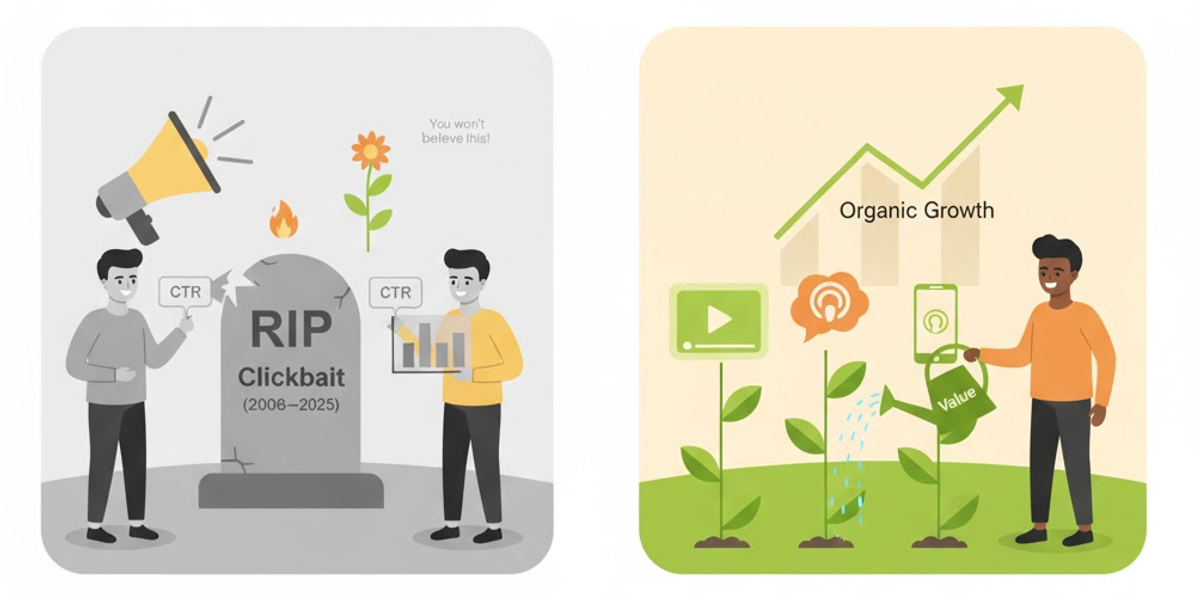
You know that feeling when you click on a headline that screams “You won’t believe what happened next!” and then… you totally believe it?
Looking for content marketing services that drive organic growth and conversions? CupShup combines AI-powered content intelligence with expert storytelling to create content strategies that rank, engage, and convert.
Yeah. Same.
Clickbait is like that over-enthusiastic salesperson in a mall who promises you free samples but hands you flyers instead. Once charming, now exhausting.
As someone who’s spent way too many nights writing “just-one-more-line-to-hook-them” headlines, I can confirm that 2025 isn’t the year for clickbait. It’s the year of clarity, credibility, and conversations that actually move people.
Let’s sip our metaphorical chai and talk about how clickbait died, what’s replacing it, and how teams like ours at CupShup are rewriting the playbook for marketing that connects - not just converts.
1. Clickbait is Dead. Here’s Who Killed It.
Let’s be honest. Clickbait didn’t die suddenly. It was a slow, predictable death - like that one TV show that just wouldn’t end.
First came the platforms.Facebook, YouTube, even Google - sab ne milke nikaal diya clickbait ko. They began penalizing misleading titles and cutting off reach for vague, overpromising content. By late 2024, YouTube had even started removing misleading thumbnails.
Then came the audience revolution.People got smarter. They could smell a fake hook from two scrolls away. According to Page Publishing’s 2025 report, readers now prefer substance over shock.
And finally, trust became the new currency.Policybazaar found that nearly 80% of Indians buy insurance based on personal recommendations, not ads. That says it all. People don’t want a “shocking secret.” They want a believable story.
Sourav said it best last week during a brainstorm: “Clickbait toh bas chuna laga ke jaata hai. Par trust… trust toh compounding karta hai”.He’s right. Clickbait gets attention once; trust earns it forever.
2. The Rise of Content That Keeps Its Promises
The marketing world is moving towards something simpler, smarter, and far more sustainable: clarity-first content.
Here’s the new-age playbook we swear by at CupShup (and honestly, what every brand manager should stick above their desk):
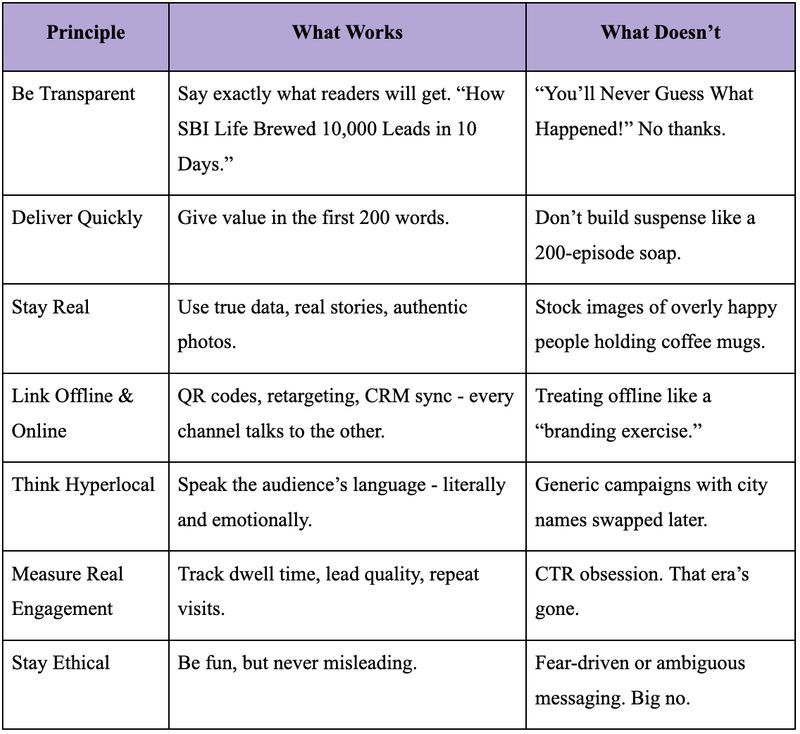
Like Maaz said during one of our pitch reviews, “If your headline sounds like it’s trying too hard, it probably is”.
3. When CupShup Switched from Clickbait to Conversation
We didn’t just talk about it; we brewed it, served it, and measured every sip.
Case 1: SBI Life - Brewing Trust, One Cup at a Time
Let’s be real. Insurance is not chai. It doesn’t sell itself. But we made it part of India’s favorite ritual anyway.
For SBI Life, we turned 10 lakh chai cups into trust tokens across India. Each cup carried a QR code that led to bite-sized, gamified financial literacy content - not sales pitches. The result? 50,000+ QR scans and 10,000+ verified leads in just 10 days.
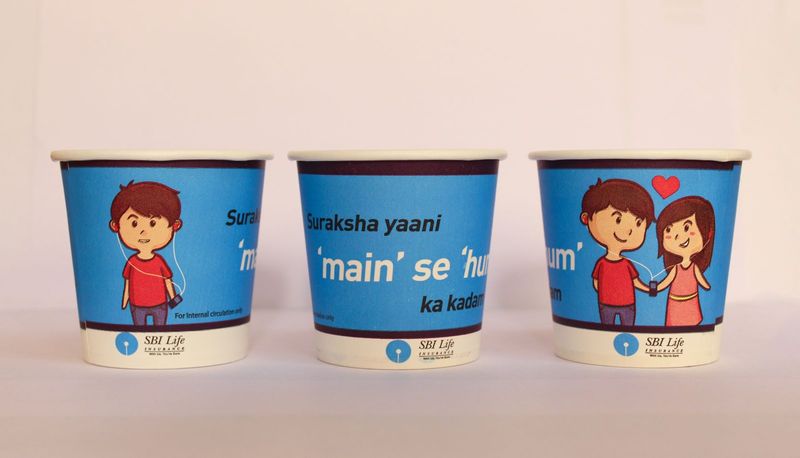
Divyanshu and Surya still joke that this was the “campaign that broke their spreadsheets”. Data poured in faster than our morning filter coffee. But it wasn’t luck - it was listening.
We didn’t interrupt people’s lives; we became part of them. Because chai is more than a drink - it’s India’s daily mood board.
You can’t advertise your way into someone’s trust. You have to earn it - sip by sip.
Case 2: Guvi - Cracking the Corporate Code
Now, let’s jump from chai stalls to tech parks.
Guvi, an HCL-backed EdTech platform, wanted to go national. But how do you get busy developers to care about a learning platform? You meet them where they already hang out - at work.
We ran a full-blown corporate activation campaign across 2000+ tech parks, turning lunch hours into coding Olympiads and demo zones. Posters with QR triggers led to course trials, and LinkedIn badges created organic virality.
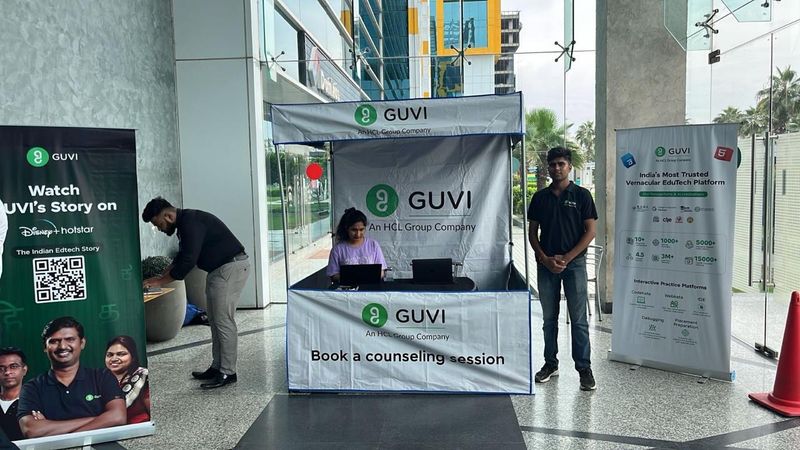
The impact? 1.12 lakh leads, 22% demo bookings, 3.5% conversion rate. Not bad for “offline activation”, right?
Sidharth still calls it “the most fun firewall we’ve ever hacked”. (Don’t worry - metaphorically, not literally.)
4. What Experts Track Now (and You Should Too)
Clicks are out. Conversations are in.
If you’re still reporting only on CTRs, it’s time to evolve. These are the new metrics that actually tell you if your content is working:
- Engagement depth: How long people stay, how far they scroll.
- Lead quality: Not just how many, but how likely they are to convert.
- Attribution: Real journeys are messy; track across touchpoints.
- Brand lift: Awareness and trust before vs. after a campaign.
- Cost per meaningful engagement: Because cost per click doesn’t mean much if it’s the wrong click.
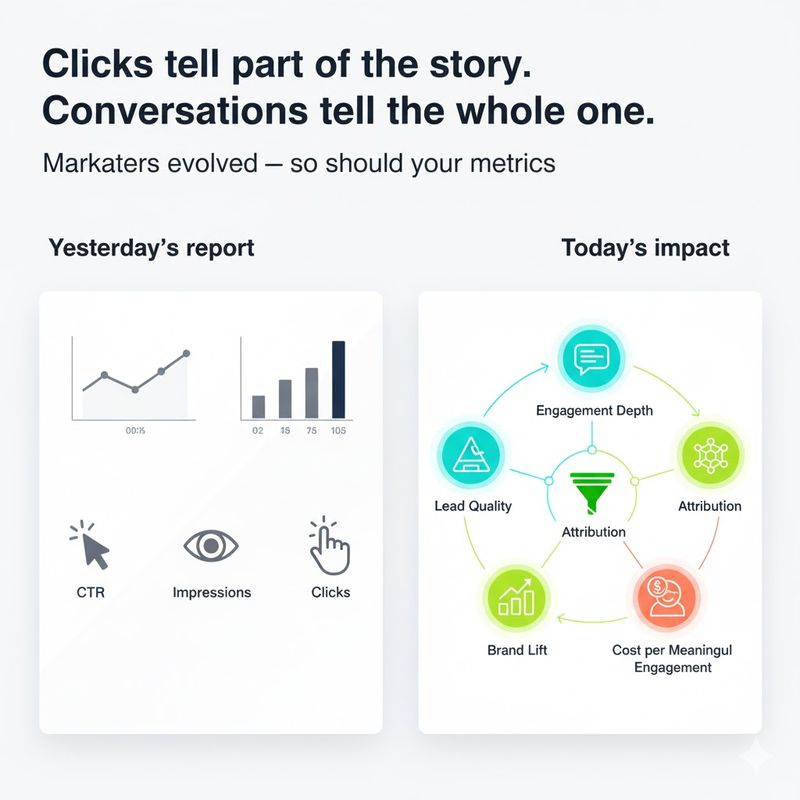
As Surya says, “If people leave your page faster than a bad date, it’s not your targeting, it’s your storytelling”.
5. Lessons From the Field: Real Talk
After hundreds of campaigns, here’s what every marketer learns the hard way:
- Be the answer, not the teaser.
- Micro-moments > Mega budgets.
- Iterate like your campaign depends on it.
Read next: The Power of First-Person POV Content and UGC at Events, The Era of “Unpolished” Content: Why Raw Works, and Community-led content: Giving power to the audience.
- Empower your promoters - they’re your brand’s first impression.
- Design for delight - even QR journeys should look great.
- Invest in trust, not traffic.
As Yuvana said during content planning, “Clarity isn’t boring. It’s underrated”. And that’s the hill I’ll die on.
6. The Bigger Picture: Why Clarity Wins
Platforms have evolved. Algorithms now reward satisfaction, not just clicks. Especially in BFSI, where misleading claims can do real damage.
Meanwhile, consumers are sharper. They’ve seen every trick in the book and can sniff inauthenticity like burnt toast.
Why Brands Choose CupShup for Content Marketing Services
CupShup doesn't just offer content marketing services — we use AI to identify high-intent topics, optimize for search engines, and create content that moves audiences through the funnel. Our data-driven content strategies have powered 10,000+ campaigns across 300+ cities, turning content into a measurable revenue channel.
Transparency isn’t just good ethics anymore, it’s a growth strategy.
And technology is finally helping. AI and analytics give us deeper insights into how users engage. We can now track real resonance, not just raw reach.
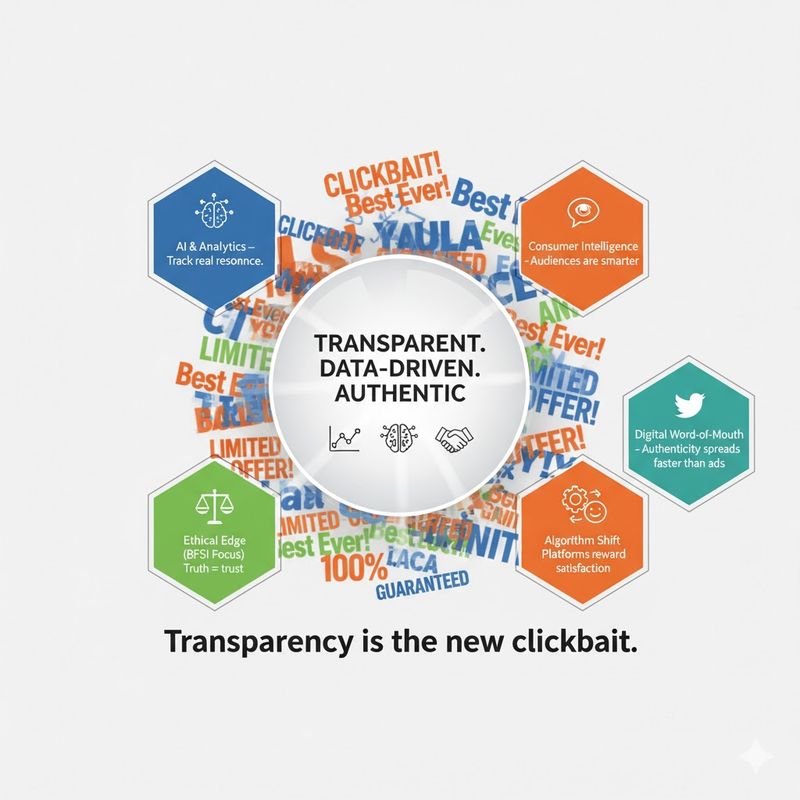
As Maaz puts it, “If your audience feels smarter after reading your content, they’ll come back. If they feel tricked, they’ll tweet”.
7. The CupShup Playbook for the Post-Clickbait Era
Here’s what we’re doing (and what you should be too):
- Audit your headlines. Be brutally honest.
- Build clarity-first content pillars.
- Experiment fearlessly - track engagement time, not ego metrics.
- Link offline to online seamlessly.
- Go local, really local.
- Keep your ethics clean - transparency wins.
- Educate your team. Change starts inside.
8. Final Brew: Goodbye Clickbait, Hello Credibility
Clickbait was fun while it lasted - like candy before dinner. But the sugar rush is over.
The future belongs to brands that tell real stories, not loud ones. To marketers who earn attention instead of buying it.
We’ve seen it at CupShup - from chai stalls that sparked conversations about financial security to hackathons that turned coders into brand advocates.
Because when your marketing moves people, not just metrics, that’s when you know you’ve brewed something special.
So here’s to the death of clickbait - and the rebirth of content that keeps its promises.
Ready to brew marketing that moves?
Let’s turn your next campaign into a conversation worth remembering.
Reach out to CupShup - where offline meets online, and clarity always wins.
Get Started with CupShup Today
Ready to see real results? Book a Free Content Strategy Call → Join 500+ brands that trust CupShup.
50 Integrated Marketing Campaign Ideas
The complete playbook with campaign frameworks, budget templates, and measurement guides for Indian brands.
Instant download + email copy. No spam, ever.
Explore CupShup Services
Brands that read this article also explored these services.
Content Strategy & Marketing
Content strategy, editorial planning, and distribution for brand authority and SEO growth.
Learn more SEOSEO & Content Marketing
Keyword research, content optimization, and link building for organic search dominance.
Learn more ActivationBrand Activation Agency India
400+ brand activations across India, from corporate campuses to RWA societies and malls.
Learn moreAakriti Mishra
Senior Marketing Strategist at CupShup with over 8 years of experience in brand activation and integrated marketing campaigns. Aakriti specializes in creating data-driven strategies that deliver measurable results for modern brands.
Related Stories


Go Deeper with Our Free Guides
Comprehensive, in-depth marketing guides created by CupShup's experts.
The Ultimate Guide to Content Marketing
A comprehensive guide covering content marketing from strategy to execution. Learn about content strategy, audience understanding, the content funnel, blog content, video, podcasts, visual content, long-form content, content creation, writing craft, distribution, promotion, repurposing, operations, and measurement. Includes 50+ term glossary and action plans.
The Ultimate Guide to SEO
A comprehensive 28-page guide covering SEO fundamentals to advanced strategies. Learn keyword research, on-page optimization, technical SEO, link building, local SEO, and more. From beginner basics to professional techniques used by experts.