
Why Experiential Marketing Events Are Game Changers for Us
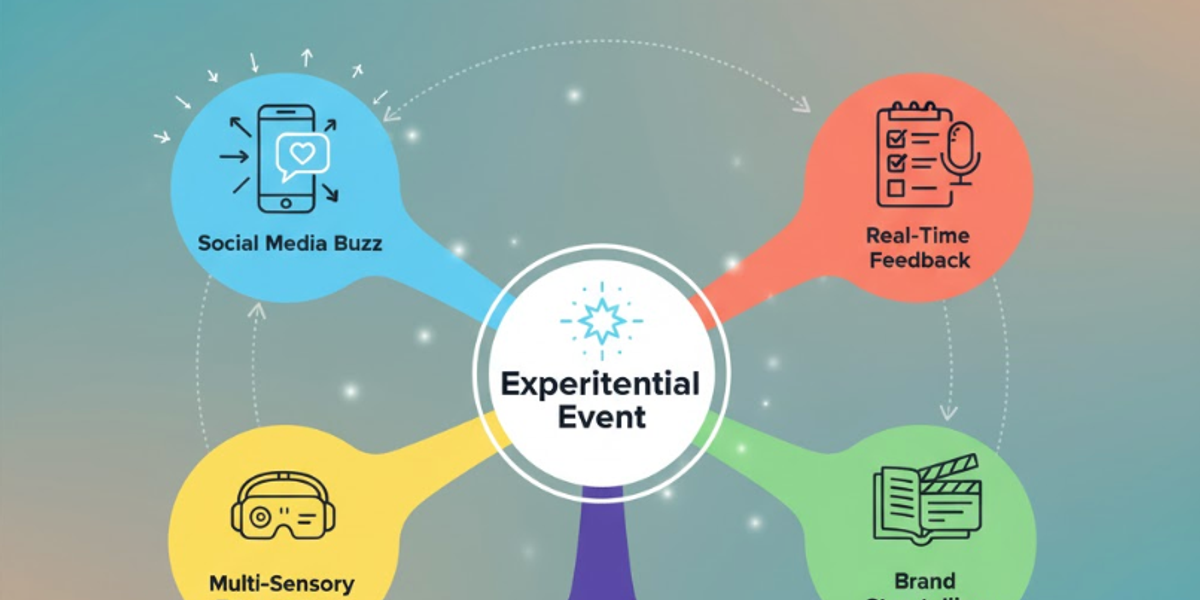
A few months ago, I was standing at one of our pop-up brand activations, a chai stall that had somehow turned into a mini carnival of laughter, storytelling, and brand conversations. Yuvana was beside me, sipping her kadak cutting and scribbling notes for her next blog, when she said, "You know, this is what every marketer secretly craves, a real reaction, not just a click".
Experiential marketing events aren't just "nice-to-have"—they're the highest-engagement channel in modern marketing. As an experiential marketing agency that's produced events for 400+ brands across India, CupShup has seen firsthand how live experiences outperform digital-only campaigns on every meaningful metric.
And she was right.
In a world obsessed with metrics and dashboards, experiential marketing events remind us of something beautifully old-school yet futuristic: that brands don’t just sell, they create memories. These are not campaigns you scroll past; they’re the ones you live through, talk about, and share over a plate of momos later.
So, what exactly are experiential marketing events?
Think of them as the real-life version of a great story, one you can touch, feel, and be a part of. They immerse audiences in hands-on brand activations, turning ordinary interactions into extraordinary memories.
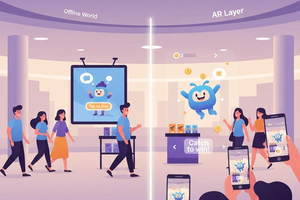
From pop-up installations that make people stop mid-walk to hybrid conferences that merge the digital and physical worlds, these Experiential events engage all five senses, and maybe even the sixth one, that gut feeling that says, "Wow, this brand gets me".
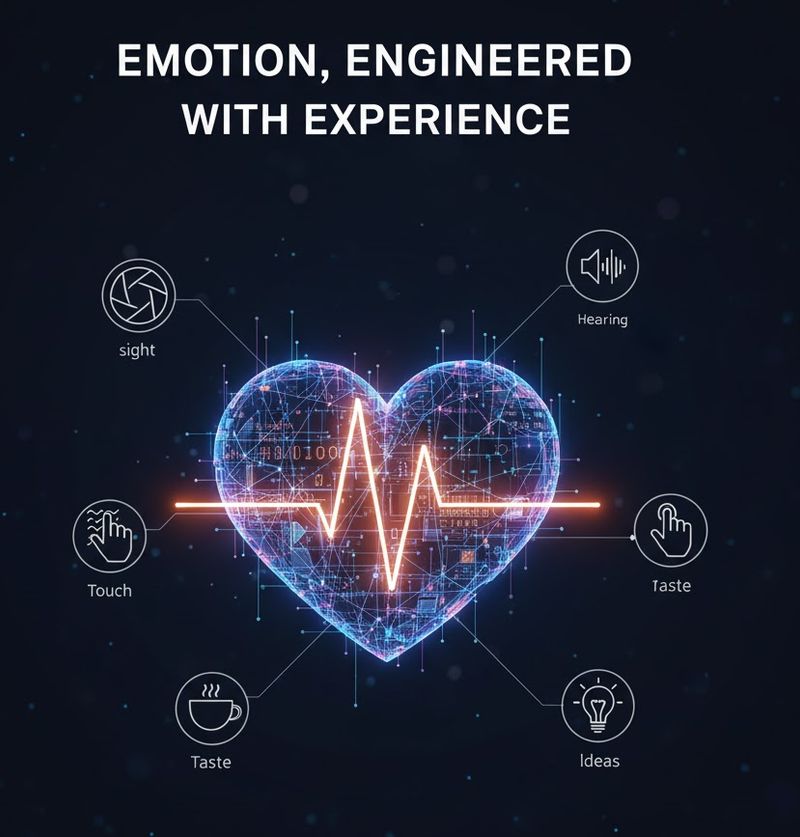
Sidharth once joked that an experiential marketing event is like a "well-coded emotion". And he’s not wrong, because behind every live demo, AR zone, or gamified challenge lies an engineered experience that makes data and delight coexist.
Experiential marketing isn’t just marketing, it’s participation
Traditional advertising tells a story. Experiential marketing invites people into it.
It’s about creating those "I was there” moments, where consumers don’t just watch your brand narrative unfold, they co-write it.
At CupShup, we often describe this as moving from audience to ally. Maaz puts it more poetically: "When people feel seen, they don’t just buy into your brand, they root for it".
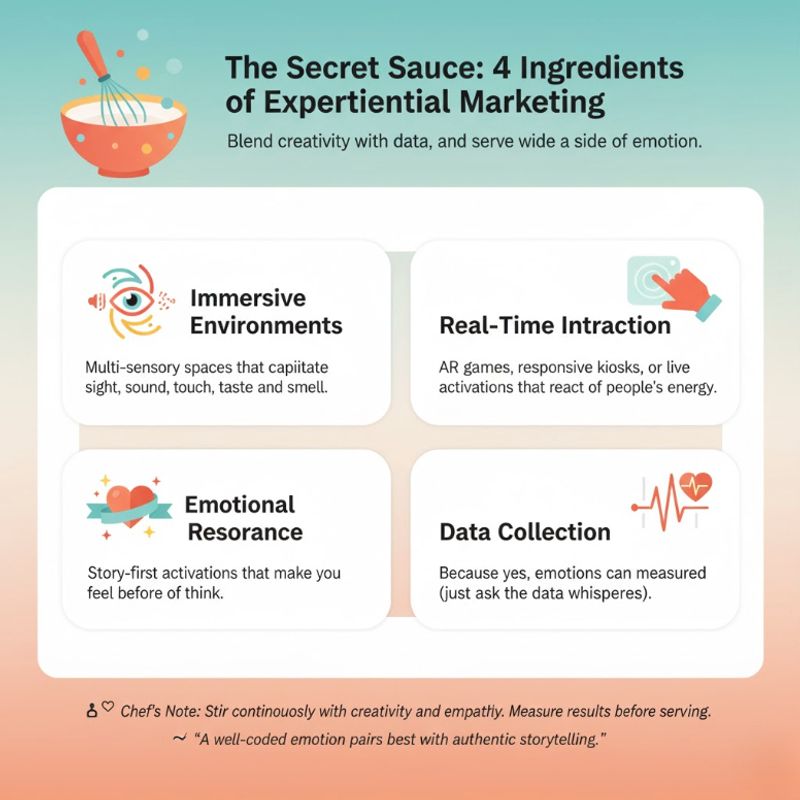
The secret sauce? Four key ingredients:
- Immersive Environments - Multi-sensory spaces that captivate sight, sound, touch, taste, and smell.
- Real-Time Interaction - From AR games to chai kiosks that respond to your vibe.
- Emotional Resonance - Story-first brand activations that make you feel before you think.
- Data Collection - Because yes, emotions can be measured, just ask Divyanshu and Surya (our in-house data whisperers).
Why these events matter more than ever
We’re living in a time when consumers have seen it all. Ads skip themselves, algorithms outsmart attention spans, and every scroll competes with a thousand others.
In that chaos, live experiential events cut through the noise. They ground brands in the physical world again, giving people something to touch, trust, and talk about.
Emotional connections: the real ROI
When someone laughs at a game you designed or shares a heartfelt story at your booth, that’s not vanity. That’s brand intimacy. Research says 72% of consumers prefer experiences over possessions, but honestly, we didn’t need a stat to know that. We’ve seen it in the sparkle of someone’s eyes when they win a quiz, get a free coffee, or simply feel heard.
Sourav once pointed out, "The biggest compliment isn’t when someone says they liked the campaign, it’s when they say they remembered it".
And that’s what experiential marketing nails: memory over moment.
From loyalty to love: when attendees become advocates
Here’s what we’ve learned the fun way, when people feel part of something, they don’t stop talking about it.
That chai stall I mentioned earlier? It trended not because we spent lakhs on amplification, but because people wanted to talk about it. They clicked selfies, made reels, tagged us, they became the storytellers.
That’s the magic of earned media disguised as emotion.
Word-of-mouth takes over, and your event continues long after you’ve packed up the banners. The buzz doesn’t fade; it compounds.
Let’s talk data, because feelings need proof too
Now, experiential marketing may sound poetic, but it’s also painfully practical. Every smile, selfie, and step inside the event space tells us something.
Thanks to tech-led tools like RFID badges, mobile check-ins, and sentiment trackers, we now capture real-time behavioral data. Divyanshu calls it "the spreadsheet of feelings".
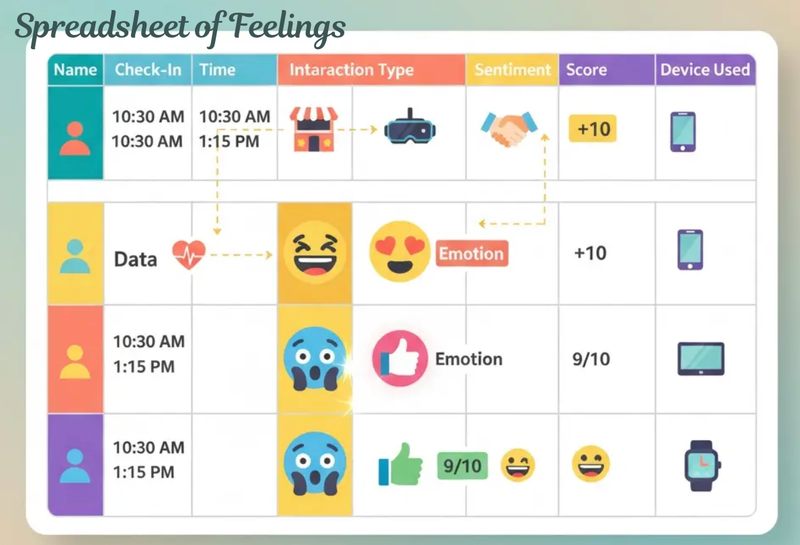
This data helps us identify which corner drew the longest dwell time, which challenge created the most excitement, and which story sparked the most shares.
Engaged minutes, not just impressions, have become our gold standard, multiplying interaction time by the number of attendees gives us a tangible metric for emotional depth.
Designing experiences that truly resonate
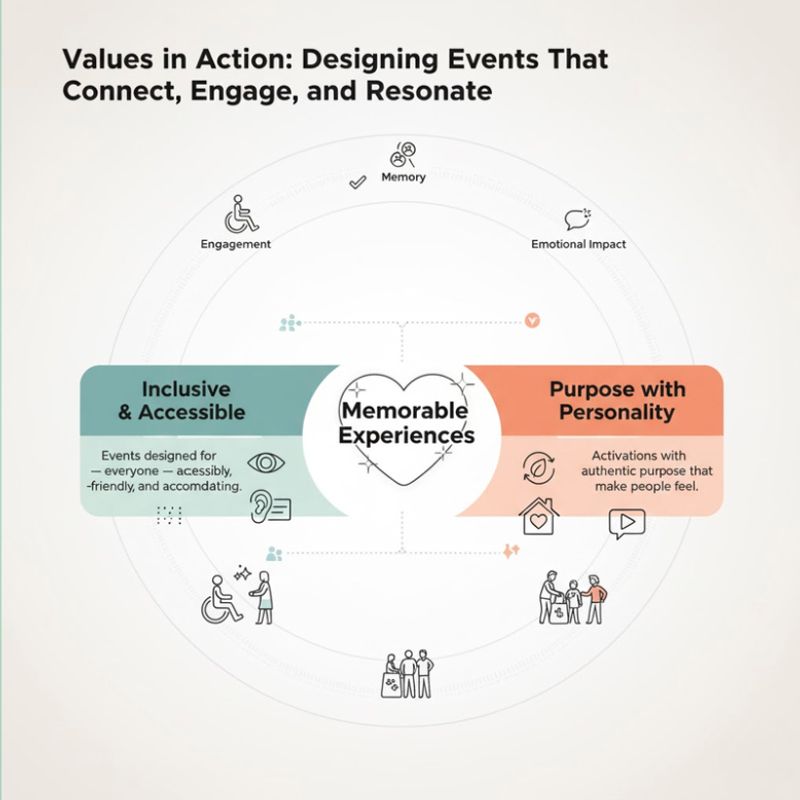
1. Inclusive and accessible by design
Our corporate activations and events are for everyone. Wheelchair-friendly layouts, audio descriptions, sensory-safe zones, because good design includes all. When someone feels seen and accommodated, they remember not just the event, but the values behind it.
2. Purpose with personality
We don’t do "CSR-looking” activations. We do purpose-driven ones. Whether it’s sustainability pop-ups, Hyperlocal campaigns, or community collaborations, authenticity is our North Star. As Yuvana once said, "If it doesn’t make people feel, it’s not marketing, it’s wallpaper".
Tech that makes magic happen
Technology isn’t the star, it’s the stagehand that makes everything else shine.
Sidharth’s team often experiments with AI-led personalization, using tools that adapt to people’s moods in real time. Imagine walking into a brand activation that changes lighting or music based on your reaction, that’s not sci-fi anymore, that’s next week’s brief.
Read next: Cause Marketing: Campaigns That Balanced Heart and Commer..., 15 Experiential Marketing Examples You Can Implement Toda..., and RWA Activation, Not A Thing Of Past.
Read next: Cause Marketing: Campaigns That Balanced Heart and Commer..., 15 Experiential Marketing Examples You Can Implement Toda..., and RWA Activation, Not A Thing Of Past.
Then there’s hybrid and virtual formats, which expand our reach far beyond physical geography. As Krithika notes, "The event doesn’t end when people leave the venue, it continues when they log in from home".
And of course, we love sprinkling in gamification, scoreboards, challenges, and tiny dopamine hits that keep engagement alive. Because who doesn’t love a little healthy competition with free merch on the line?
Measuring impact: because every goosebump counts
Experiential marketing isn’t a stunt; it’s an investment. That’s why we measure its depth, duration, and delight.
We track real-time heat maps, dwell zones, engagement minutes, and social sentiment, tweaking things on the fly. The event floor, in that sense, becomes a living organism that evolves as people interact.
Surya once joked, "If people are lingering too long near the exit, maybe we need better coffee there". And surprisingly, he was right, small data-led tweaks can completely change flow and satisfaction.
CupShup: The Experiential Marketing Agency That Delivers Events With ROI
CupShup doesn't do "events for the sake of events." Every experiential activation we design starts with a business objective—lead generation, product trial, brand recall, or community building. Our event marketing services include concept design, venue sourcing, production, staffing, live analytics, and comprehensive post-event ROI reporting. That's why brands keep coming back.
Execution is the unsung hero
Behind every viral corporate activation lies months of coordination.
From syncing with vendors and agencies to aligning KPIs with internal teams, it’s a full symphony. And when everyone plays their part right, it shows.
We’ve learned that great experiential events don’t just happen; they’re choreographed. We map every touchpoint, pre-event teasers, live experiences, post-event follow-ups, ensuring every moment feeds into the larger customer journey.
A few showstoppers that still inspire us
- Red Bull’s Stratos Jump: The 2012 spectacle where Felix Baumgartner jumped from the edge of space, not just a record-breaker, but a storytelling milestone.
- Airbnb’s "Night at the Louvre”: A brand activation that turned "stay anywhere” into "sleep inside history".
- Coca-Cola’s Hug Machines: Simple, human, and heartwarming, proving that sometimes, the best tech is emotion itself.
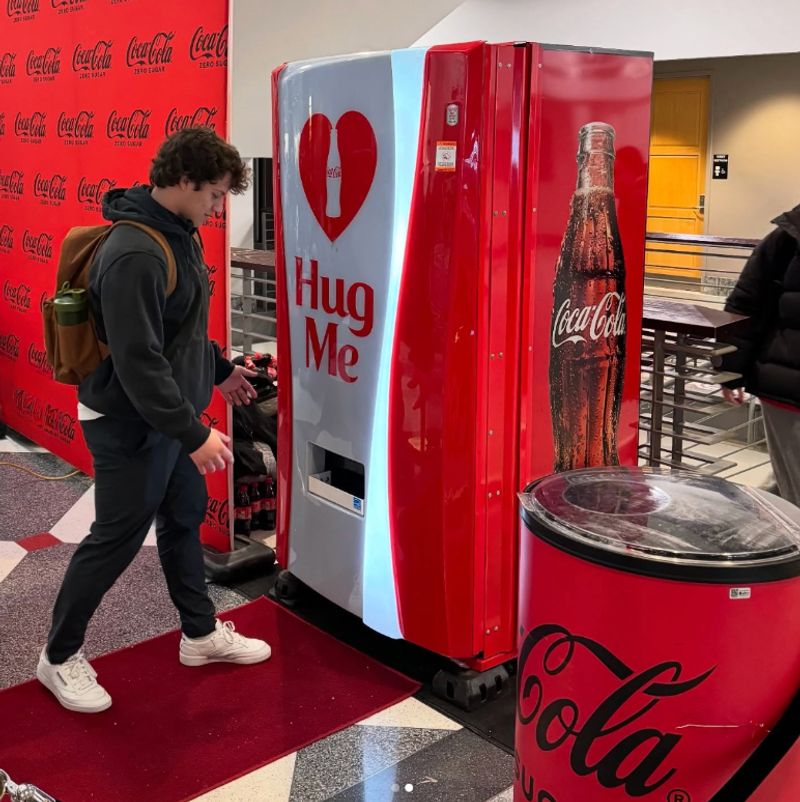
These global legends remind us that great experiential marketing isn’t about budgets, it’s about bravery.
Building for the long game
The post-event phase is where relationships deepen. We repurpose highlights into social content, launch loyalty programs, and nurture micro-communities around shared experiences.
We also do our bit for the planet, recycled booth materials, local sourcing, minimal plastic use, because in 2025, sustainability isn’t a nice-to-have, it’s the brief itself.
And maybe that’s where the future of experiential events lies, not in louder events, but in more thoughtful ones.
The bottom line
Experiential marketing events are no longer just a part of the mix, they are the mix. They fuse creativity, data, and emotion into something truly timeless.
As we’ve learned, that the magic of marketing isn’t in the campaign plan, it’s in the collective heartbeat it creates. Because when a brand can make you laugh, dance, cry, or even just smile mid-traffic, that’s not advertising anymore.
That’s connection.
Ready to turn your next brand activation or Hyperlocal campaign into an experience people will never forget?
Let’s talk about building moments that move people, and your brand.
Ready to Get Started? Talk to CupShup
Ready to invest in experiential marketing events that deliver measurable ROI? CupShup plans and executes events from intimate VIP experiences to city-wide activations. Get a free event marketing proposal. Book a Free Strategy Call →
50 Integrated Marketing Campaign Ideas
The complete playbook with campaign frameworks, budget templates, and measurement guides for Indian brands.
Instant download + email copy. No spam, ever.
Frequently Asked Questions About Experiential Marketing Events
What makes experiential marketing events different from regular events?
Experiential marketing events are designed to immerse attendees in a branded experience rather than simply informing them about a product. Unlike traditional events like conferences or trade shows, experiential events prioritise interaction, sensory engagement, and emotional connection. They create stories that attendees share organically on social media, extending the event's reach far beyond physical attendees.
How much does it cost to organise an experiential marketing event in India?
Experiential marketing event costs in India vary widely based on scale and city. A single-city pop-up activation can range from INR 5-15 lakhs, while a multi-city experiential tour may cost INR 30 lakhs to 1 crore. Factors include venue rental, installation design, staffing, technology integration, permits, and content creation. CupShup offers scalable experiential solutions starting from INR 3 lakhs for hyperlocal activations.
What are the best types of experiential marketing events for B2C brands?
For B2C brands, the most effective experiential formats include product sampling pop-ups, immersive brand installations, interactive retail experiences, festival or cultural event tie-ups, and gamified on-ground activations. In India, society-level activations in residential complexes and campus events in colleges are particularly effective for reaching targeted demographics at scale with high engagement rates.
How do you choose the right venue for an experiential marketing event?
Venue selection should consider your target audience's habitual locations, footfall data, competitive presence, logistical feasibility, and permit requirements. High-traffic locations like malls, metro stations, and college campuses work well for mass reach. For premium brands, curated venues like art galleries, rooftop spaces, and boutique hotels create exclusivity. Always verify local authority permits and venue-specific restrictions before finalising.
Experiential Marketing Events: Related Resources
Explore more about experiential marketing events with these related resources from CupShup.
Brand Activation Agency
End-to-end experiential event planning and execution
Experiential Marketing Examples
15 inspiring experiential marketing campaigns
Sleepwell Experiential Campaign
How Sleepwell created immersive product experience events
Plum Brand Activation
Plum's experiential marketing events for skincare engagement
Explore CupShup Services
Brands that read this article also explored these services.
Integrated Marketing Agency
360-degree campaigns that connect offline activations with digital amplification for compounded ROI.
Learn more BrandBrand Strategy & Positioning
Brand architecture, positioning frameworks, and messaging strategy for market differentiation.
Learn more ExperientialExperiential Marketing Agency India
Immersive brand experiences, pop-ups, product launches, live demos, and phygital events.
Learn moreAakriti Mishra
Senior Marketing Strategist at CupShup with over 8 years of experience in brand activation and integrated marketing campaigns. Aakriti specializes in creating data-driven strategies that deliver measurable results for modern brands.
Related Stories
Go Deeper with Our Free Guides
Comprehensive, in-depth marketing guides created by CupShup's experts.
ATL and BTL Marketing: The Complete 2026 Guide for Indian Brands
Uncover the differences between ATL and BTL marketing. Learn which strategy drives better ROI for your brand in the evolving Indian market.
BTL Marketing: The Complete Guide to Below-the-Line Strategies in India
Practical below-the-line strategies and field examples tailored to the Indian market. Covers in-store activations, product sampling, retail engagement, and measurable ROI.