
ATL BTL Marketing: The Ultimate Guide to 360 Campaigns in India
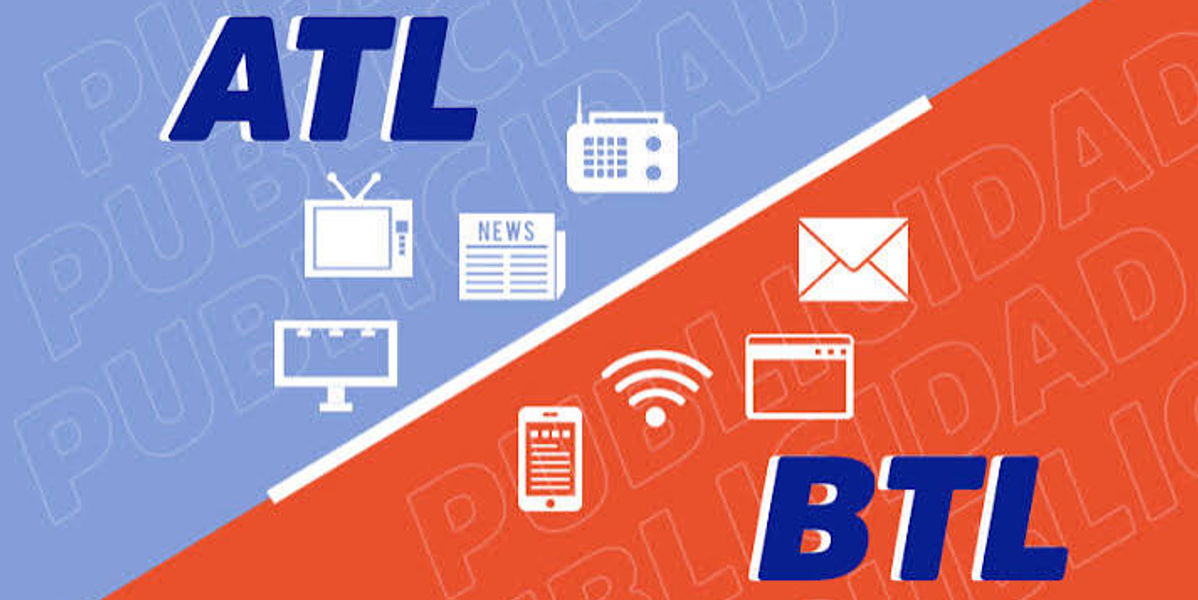
In India's bustling marketplace, cutting through the noise requires more than just digital ads. True brand impact comes from a cohesive 360 marketing / integrated marketing strategy, where every customer touchpoint works in harmony. This guide explores how Below-the-Line (BTL) marketing acts as a crucial pillar in any successful 360 marketing plan, driving direct consumer engagement and delivering measurable results.
Watch: the Optimist Drinks on-ground activation
CupShup has a proven track record, executing over 10,000 ATL BTL marketing campaigns across 300+ Indian cities for brands like Swiggy, Blinkit, Zepto, upGrad, HDFC Life, and TATA 1mg. Before we go further, it helps to be clear on the ATL full form: Above-The-Line, the mass-media half of every 360 campaign we run. The strategies we share are born from real-world execution, not just theory.
What is 360 Marketing and Where Does ATL BTL Marketing Fit In?
360 marketing, also known as integrated marketing, is a strategy that aims to provide a seamless and consistent brand experience across all channels and touchpoints. It ensures your message is unified, whether a customer sees your ad on TV, interacts with your brand on social media, or experiences it at an event. Knowing the ATL full form, Above-The-Line, is the first step to seeing how the mass-media side of a campaign sets up everything BTL does on the ground. BTL work is a vital component of this holistic approach. It focuses on direct, targeted interactions with specific consumer segments, creating memorable experiences that build loyalty and drive action.
While Above-the-Line (ATL) marketing, the ATL full form standing for Above-The-Line, uses mass media like television and print for broad reach, this channel zeroes in on creating one-to-one connections. The term "below the line" historically referred to direct consumer activities that were tracked separately from mass media advertising, and the BTL full form, Below-The-Line, still describes that same direct, on-ground approach today. Today, it encompasses a vast array of tactics designed for deep engagement and measurable outcomes. Understanding the nuances of BTL activity is key to executing a truly effective 360 marketing plan.
The Power of ATL BTL Marketing in the Indian Context
India's diverse and dynamic consumer landscape presents unique opportunities and challenges for marketers. On-ground campaigns excels here because it can be tailored to specific regional nuances, cultural preferences, and local buying habits. Even brands that lean heavily on mass media, once they understand the ATL full form and what it can and cannot do at a local level, still need on-ground BTL to close the gap. A one-size-fits-all approach rarely works. Instead, localized BTL campaigns resonate more deeply, fostering trust and driving adoption.
According to Nielsen (2023), trust in traditional advertising methods is declining, while personal recommendations and direct brand experiences are gaining prominence. This shift makes BTL activities, which facilitate direct interaction and build personal connections, more critical than ever. For brands looking to connect with consumers on a deeper level, especially in categories like fintech, health, and insurance, face-to-face engagement is invaluable.
Why BTL Thrives in India
- Hyper-Localization: India's vastness means consumer behaviour varies greatly. BTL allows for precise targeting by city, locality, or even specific residential complexes, ensuring messages are relevant.
- Trust Building: Direct interaction, product sampling, and personalized explanations build trust faster than digital ads. This is crucial for high-consideration categories.
- Tier 2/3 City Reach: While digital penetration is growing, on-ground activation and local word-of-mouth still heavily influence purchase decisions in smaller cities. BTL-first strategies are essential here.
Key BTL Marketing Activities for 360 Campaigns
Effective ATL BTL Marketing in India today involves a range of activities designed for direct consumer impact, and once the ATL full form is out of the way, the interesting work is really about the BTL side. These are the core components that make a 360 marketing strategy truly come alive on the ground:
1. Product Sampling and Trial Drives
Getting your product into consumers' hands is one of the most powerful below-the-line activations tactics. Sampling drives at malls, transit hubs, RWAs, colleges, and markets create direct trial and generate word-of-mouth that digital ads struggle to replicate. CupShup's sampling campaigns for FMCG and food brands consistently show 3-5x higher conversion rates from trial to purchase compared to digital retargeting alone.
2. Mall and Retail Activations
High-footfall malls offer a prime location for BTL activations that create memorable brand experiences. Effective mall activations combine a physical installation or activity with a digital amplification layer, social sharing, QR codes, or live leaderboards, to extend reach beyond the physical touchpoint. These activations are key for driving consideration and purchase intent.
3. RWA and Residential Society Activations
Residential Welfare Association (RWA) activations are one of the highest-ROI BTL campaigns formats in India. They deliver hyperlocal reach to a captive audience, families in their own communities, with very low ambient noise. For categories like quick-commerce, fintech, edtech, and health, RWA activations consistently outperform pan-city campaigns on cost per qualified contact.
4. Campus and College Activations
University campuses and college premises provide direct access to the 18-25 demographic at scale. Campus activations are effective for categories including edtech, fintech, FMCG, and quick-commerce. They can generate significant peer-to-peer word-of-mouth within tight social networks.
5. Transit and Commuter BTL Marketing
Metro stations, railway platforms, bus depots, and auto stands are high-dwell-time environments. BTL work activities here, leaflet distribution, sampling, interactive kiosks, reach commuters during moments of low distraction. Transit BTL campaigns in cities like Delhi, Mumbai, and Bengaluru deliver consistent footfall and engagement.
6. On-Ground Activations and Guerrilla Marketing
Street-level brand activations, such as flash mobs or pop-up installations, create earned media and social sharing opportunities. These unexpected brand experiences can generate significant buzz and organic reach, amplifying your campaign's visibility.
7. WhatsApp as a BTL Channel
In India, WhatsApp is more than just a messaging app; it's a powerful BTL channel. Brands can use it for direct customer communication, personalized offers, feedback collection, and even customer support. Integrating WhatsApp into your BTL strategy allows for immediate, one-to-one engagement, fostering loyalty and driving repeat purchases. For instance, sending personalized discount codes or product updates via WhatsApp after an on-ground activation can significantly boost conversion rates.
BTL vs. Digital Marketing: A Synergistic Approach
While digital marketing offers broad reach and sophisticated targeting, this channel, once you look past the BTL full form and into what it actually delivers, provides the crucial element of direct human connection and tangible experience. They are not mutually exclusive; rather, they are most powerful when integrated.
Digital marketing excels at building awareness and driving traffic, especially when it's run by a performance marketing agency that can optimise spend in real time. BTL activity excels at converting that awareness into trust, trial, and purchase. According to GroupM India (2023), while digital ad spend continues to grow, on-ground activations and experiential marketing are seeing a resurgence due to their ability to create deeper consumer connections.
Consider a scenario: a digital campaign drives awareness for a new FMCG product. A subsequent BTL product sampling drive in targeted residential areas allows consumers to experience the product firsthand, answer their questions, and drive immediate purchase. The digital campaign provides the initial reach, while the BTL activity provides the conversion and builds lasting brand preference.
Measuring ROI for BTL Marketing in India
ATL BTL Marketing has historically faced the perception of being difficult to measure, partly because the ATL full form (Above-The-Line) implies mass reach rather than trackable, one-to-one contact. However, modern campaigns are highly trackable. Success is measured through:
- Footfall and Interaction Logs: Every activation site tracks consumer interactions, product demos, and samples distributed.
- Redemption Tracking: Coupons, QR codes, and discount codes distributed at BTL events can be tracked to online or in-store purchases.
- Digital Amplification: Social media mentions, hashtag usage, and user-generated content generated from BTL events provide measurable reach.
- Location-Correlated Traffic Spikes: Digital traffic from activation geographies in the 48 hours following an event can indicate impact.
- Post-Campaign Surveys: Brand recall and purchase intent among consumers who interacted with the activation versus a control group offer clear insights.
For a deeper look at turning BTL activities into measurable results, see the 7 BTL activities that move numbers.
Planning a Successful Integrated Marketing Campaign with BTL
A well-executed BTL campaign, as part of a 360 strategy, follows a clear planning framework:
- Define Your Consumer and Geography Precisely: On-ground campaigns delivers its best results when targeting is specific. Define the consumer profile (age, income, category usage, location) and the geographic footprint (specific cities, zones within cities, or locality types like RWAs, malls, colleges). Broad BTL campaigns that try to cover everything deliver diluted results.
- Choose the Right BTL Format for Your Objective: Trial and sampling campaigns suit FMCG, food, and consumer products. Experience-led activations suit lifestyle, fashion, and entertainment brands. Direct engagement and lead generation activations suit fintech, edtech, and insurance. On-ground stunts and guerrilla activations suit brands looking to generate earned media and social sharing.
- Build in a Measurement Framework: Agree on the 3-5 metrics that will define campaign success before the first activation day. Common below-the-line activations KPIs include consumer interactions per activation day, product trial conversion rate, cost per qualified contact, redemption rate, and digital traffic spike from activation geographies.
- Select an Agency with Genuine Ground Infrastructure: The quality of your BTL campaigns execution depends entirely on the field infrastructure behind it. Choose an agency with full-time field staff, not contractors, in the cities you need to activate. CupShup operates with dedicated field teams across 100+ cities. Explore CupShup's BTL & on-ground activation services.
Indian Brand Examples in Action
- Godrej Yummiez FMCG Activation: CupShup partnered with Godrej Yummiez for an FMCG activation that focused on driving product trial and awareness. The campaign involved strategic sampling and engaging in-store experiences, leading to increased product visibility and consumer adoption. You can learn more about this Godrej Yummiez FMCG activation.
- SBI Life Hyperlocal BFSI Activation: For SBI Life, CupShup executed a hyperlocal BFSI activation targeting specific communities. This initiative focused on direct engagement and lead generation, successfully generating over 10,000 insurance leads by connecting with potential customers in their local environments. This demonstrates the power of targeted BTL for high-consideration products.
Key Takeaways for Your Integrated Marketing Strategy
- BTL work is essential for creating direct, measurable consumer connections within a broader integrated marketing framework.
- India's diverse market demands hyper-localized BTL strategies that build trust and drive adoption.
- Integrate BTL activities like sampling, activations, and WhatsApp engagement with digital efforts for maximum impact.
- Clearly define your objectives, target audience, and measurement metrics before launching any BTL campaign.
- Partner with an experienced this channel agency with strong ground infrastructure for flawless execution.
WhatsApp Marketing as a BTL Channel
WhatsApp marketing is the most underused BTL channel in India. Every on-ground contact, sample, lead form, society sign-up, can flow straight into a WhatsApp marketing sequence that nurtures the lead without any manual effort. For a below-the-line campaign, that turns a fleeting interaction into an ongoing conversation, the kind a performance marketing agency would otherwise pay to recreate through retargeting. Wire it to marketing automation services and every scan becomes a tracked, nurtured lead.
Pair WhatsApp marketing with marketing automation services and the whole BTL funnel runs itself: the activation captures the contact, marketing automation services route it into the right sequence, and WhatsApp marketing delivers the follow-up to the one screen every Indian consumer checks. This is how modern BTL stops leaking leads between the street and the sale.
CupShup builds this capture-and-nurture layer into every campaign, connecting on-ground BTL to WhatsApp and the marketing automation services behind it, so below-the-line spend produces tracked, convertible pipeline rather than footfall. Combine that loop with a performance marketing agency for paid retargeting and no lead falls through the cracks.
Frequently Asked Questions
What is BTL marketing India?
ATL BTL Marketing in India, or Below The Line marketing, refers to direct, targeted promotional activities designed to create a one-to-one connection between a brand and its consumers. Unlike mass media advertising (ATL), whose ATL full form is Above-The-Line, BTL focuses on specific consumer groups through direct engagement, such as product sampling, mall activations, and RWA drives. It's about reaching the right people, in the right place, with a relevant message.
BTL marketing vs. digital marketing for Indian consumer brands: Which is more effective?
Neither BTL nor digital marketing is inherently more effective; their synergy is what drives success. Digital marketing, often run through a performance marketing agency, is excellent for broad reach and awareness building. BTL activity excels at creating deep engagement, building trust, and driving trial or purchase, especially in India's diverse landscape, and understanding the BTL full form helps explain why. For most Indian consumer brands, an integrated approach combining both is the most effective strategy.
How to measure ROI for BTL marketing activities in India?
ROI for on-ground campaigns in India is measured through metrics like consumer interactions per activation, product trial conversion rates, cost per qualified contact, coupon redemption rates, and spikes in digital traffic from activation geographies. Post-campaign surveys also help gauge brand recall and purchase intent. Modern BTL campaigns are highly trackable, providing clear data on their impact.
What is the average cost of a BTL marketing campaign for FMCG brands in India?
The average cost of a below-the-line activations campaign for FMCG brands in India can vary widely, typically starting from Rs 2-5 lakh for a single-city sampling or activation campaign. A multi-city campaign involving dedicated field teams across 5-10 cities could range from Rs 20 lakh to Rs 1 crore, depending on the scope and duration. The return on investment often justifies these costs through direct sales and brand loyalty.
How to plan and execute a successful mall activation campaign in Mumbai?
To plan a successful mall activation in Mumbai, first define your target audience within the mall's demographic and your campaign objectives. Choose an engaging activity or installation that aligns with your brand. Secure necessary permissions from mall authorities well in advance. Partner with a BTL campaigns agency experienced in mall activations to manage logistics, staffing, and on-ground execution, ensuring a seamless and impactful consumer experience.
Conclusion
Integrating ATL BTL Marketing, once you're clear on both the ATL full form and the BTL full form, into your overall integrated marketing strategy is no longer optional; it's essential for building meaningful connections in India. By focusing on direct engagement, localized relevance, and measurable outcomes, BTL campaigns drive tangible results that a performance marketing agency chasing clicks alone cannot achieve. Embrace the power of on-ground activations to create memorable brand experiences and foster lasting customer loyalty.
Ready to run a winning integrated marketing campaign? Talk to CupShup, India's leading integrated marketing agency. Get in touch and we'll build a campaign tailored to your brand.
Related Reading
50 Integrated Marketing Campaign Ideas
The complete playbook with campaign frameworks, budget templates, and measurement guides for Indian brands.
Instant download + email copy. No spam, ever.
Explore CupShup Services
Brands that read this article also explored these services.
BTL Marketing Services
On-ground activations, sampling drives, RWA events, and experiential campaigns across India.
Learn more ActivationBrand Activation Agency
400+ brand activations across corporates, colleges, societies and transit hubs. Tech-enabled tracking.
Learn more ExperientialExperiential Marketing Agency India
Immersive brand experiences, pop-ups, product launches, live demos, and phygital events.
Learn moreCuppa CS
Digital Marketing Expert specializing in AI-powered marketing tools and automation. Cuppa CS helps brands leverage cutting-edge technology to optimize their digital presence and drive customer engagement.
Related Stories
Go Deeper with Our Free Guides
Comprehensive, in-depth marketing guides created by CupShup's experts.
The Ultimate Guide to Experiential Marketing
A comprehensive guide covering experiential marketing from strategy to execution. Learn about event experiences, pop-ups, immersive experiences, retail activation, sensory marketing, gamification, community building, storytelling, production, staffing, amplification, and measurement. Includes 50+ term glossary and action plans.
BTL Marketing: The Complete Guide to Below-the-Line Strategies in India
Practical below-the-line strategies and field examples tailored to the Indian market. Covers in-store activations, product sampling, retail engagement, and measurable ROI.
The Ultimate Guide to Integrated Marketing in 2025
Your 2025 playbook to 360° brand marketing that actually works. Learn how to create seamless, impactful campaigns that resonate with modern audiences.