
Chatbots That Don’t Annoy People: Tools That Improve Customer Experience
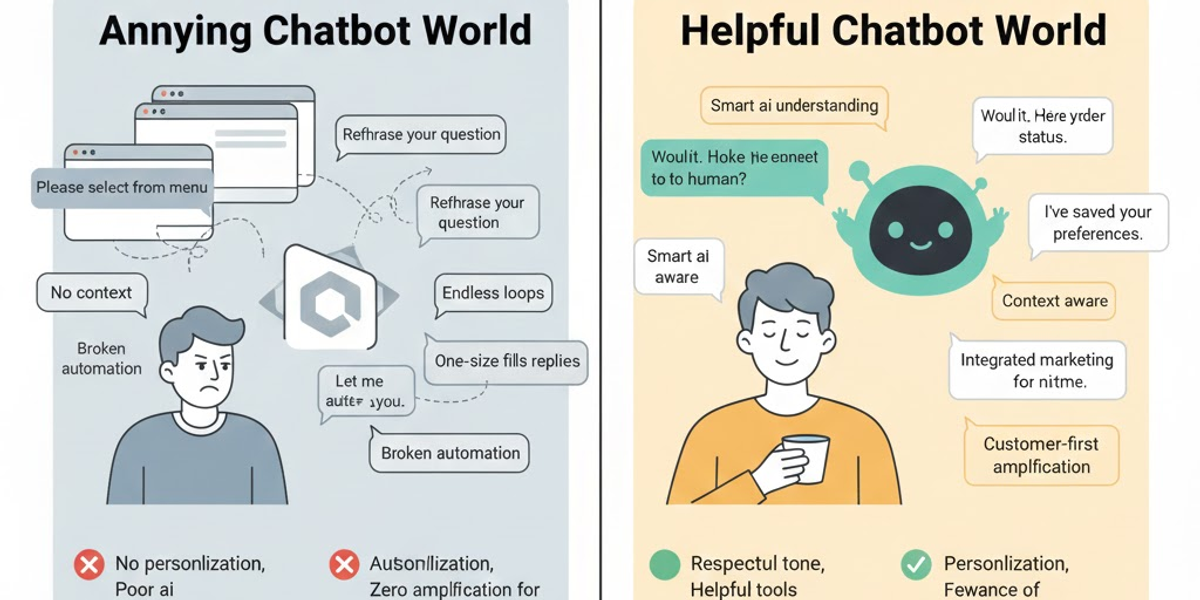
Let me start with a confession. I have rage-typed “AGENT” more times than I’d like to admit.
Looking for an ai marketing agency that combines cutting-edge AI tools with real marketing expertise? CupShup leverages AI-powered strategies across 10,000+ campaigns, helping brands automate, personalize, and scale their marketing with measurable results.
Not because I hate chatbots. I actually like them. I hate the ones that promise help and then behave like that one office printer that’s always “processing” but never prints. A lot of people feel the same. And honestly, unka gussa justified hai.
If customers truly hated a chatbot powered by AI, they wouldn’t track deliveries on WhatsApp, ask voice assistants random questions at 2 AM, or resolve simple refunds without talking to a human. What people hate is friction pretending to be intelligence.
And today, that friction matters more than ever because chatbots are no longer just a support tool. They are often the first brand conversation in an automation-led world. That first “Hi, how can I help you?” sets the tone. Get it right, you feel assisted. Get it wrong, you feel trapped.
Why AI Chatbots Became So Annoying in the First Place
Most early chatbots were built with one goal in mind. Cost reduction through automation.
They were designed to deflect tickets, shorten queues, and keep humans out of the loop. Naturally, the experience felt rigid. Menu trees that went nowhere. Keyword matching that misunderstood basic language. Conversations that forgot context mid-way.
Across the team, we have seen this play out again and again. Someone once casually said during a client discussion that the problem is not that the chatbot didn’t help, the problem is that it wouldn’t let the customer leave. That sentence landed hard because it captures the real frustration.
Research backs this up too. The biggest chatbot frustration is not automation itself. It is loss of control. When users feel stuck, irritation builds. When they feel guided, even an AI chatbot feels okay.
Simple truth. People don’t mind talking to a chatbot. They mind being blocked by one.
The Big Shift: From Automation to Actual Conversations
Modern AI chatbots work because the mindset has changed.
The goal today is not ticket deflection. It is resolution. The best chatbot experiences behave like that reliable junior colleague who handles routine work confidently and taps you in when things get complicated.
This is also where tooling choices start to matter. Platforms like Intercom are designed to blend chatbot automation with human conversations, so users never feel abandoned mid-chat. Tools like Zendesk focus on routing, context sharing, and smooth escalation, which quietly reduces frustration.
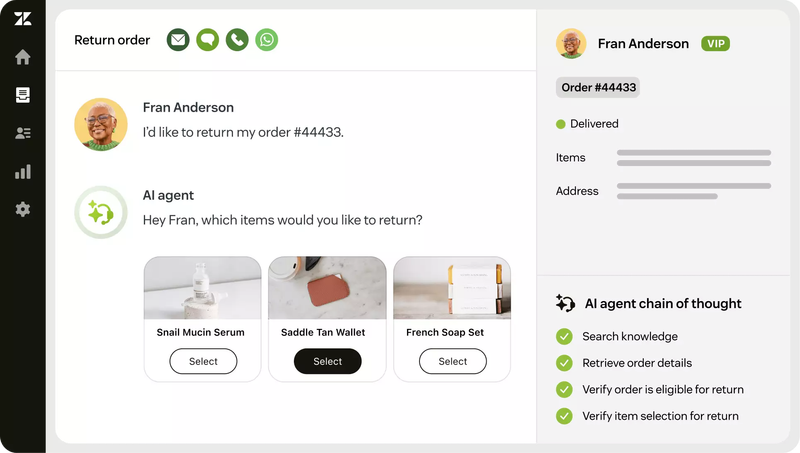
While reviewing this piece together, someone from the content team joked that a good chatbot is like a good intern. Helpful, quick, and self-aware enough to ask for help. Funny, yes. Also painfully accurate.
This shift rests on three practical ideas that experienced teams quietly obsess over while building scalable marketing solutions.
Natural Language Understanding Is Where Most AI Chatbots Still Slip
Everyone talks about AI and NLP, but very few talk about training it properly.
Customers don’t speak in product language. They type half sentences, mix emotions with requests, and often don’t know what they’re asking for. “This didn’t work,” “payment stuck,” or just “help pls” are far more common than clean queries.
This is where tools built for continuous learning make a real difference. Platforms like Hiver and Chatbase allow teams to analyse failed intents, review fallback responses, and retrain chatbots using real conversation data instead of assumptions.
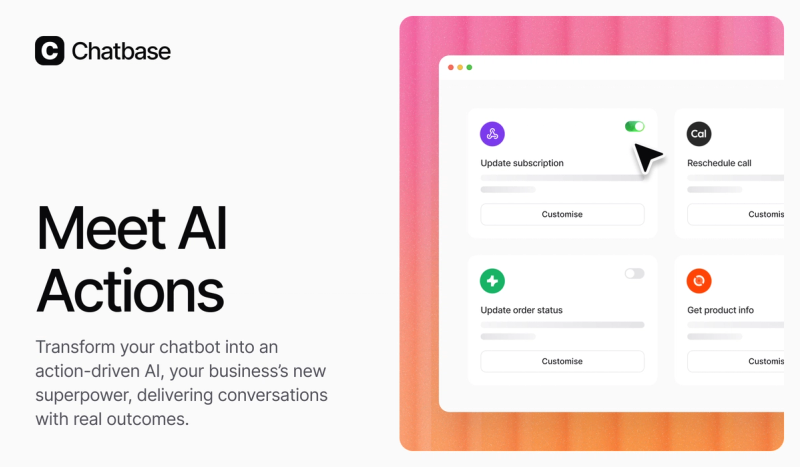
What we have learned collectively, especially while looking at data and CX dashboards, is that good Natural Language Understanding depends less on fancy AI models and more on continuous learning. Failed intents are gold. Fallback responses are signals. Real conversations matter more than ideal scripts.
The chatbots that feel smart are the ones trained again and again on how people actually talk. Jab bot samajhne lagta hai na, tab magic hota hai.
One small but powerful practice strong teams follow is reviewing chatbot conversations the same way product teams review user journeys. No ego, only learning and amplification of what works.
Speed Is Not the Win. Resolution Is.
Yes, chatbots reply fast. That is basic automation. But speed without clarity is just chaos with confidence.
Experienced CX teams optimise for fewer back and forth messages, faster intent confirmation, and context retention. Customers are happy when their issue gets solved quickly, not when they get ten instant replies that go nowhere.
During one internal review, someone from the data team casually pointed out that fast replies don’t matter if the same customer comes back tomorrow. That is the metric that quietly decides whether a chatbot is actually working.
The best AI chatbots ask clarifying questions early, avoid dumping information, and confirm they understood correctly. Jaldi jawab dena achha hai, sahi jawab dena better.
Chatbots Must Know When to Step Aside
Nothing kills trust faster than a chatbot that refuses to escalate.
Read next: Google Gemini & The AI Power Stack: For Marketers Who Hat..., The Best AI Tools for SEO: From Keywords to Clicks (and W..., and Performance vs. Creativity: Where AI Truly Fits in Modern....
Read next: Google Gemini & The AI Power Stack: For Marketers Who Hat..., The Best AI Tools for SEO: From Keywords to Clicks (and W..., and Performance vs. Creativity: Where AI Truly Fits in Modern....
Modern customer experience works best when AI, automation, and humans operate together. Chatbots handle predictable workflows. Humans handle nuance, emotion, and exceptions. If a customer has to repeat their issue after escalation, the chatbot has already failed.
From the tech side, this is something that comes up often. If escalation feels like punishment, the design is broken. A chatbot should never feel like a bouncer at the door.
This is where conversation platforms like Exotel help by ensuring chatbot conversations carry full context into voice or human support, instead of starting from zero again.
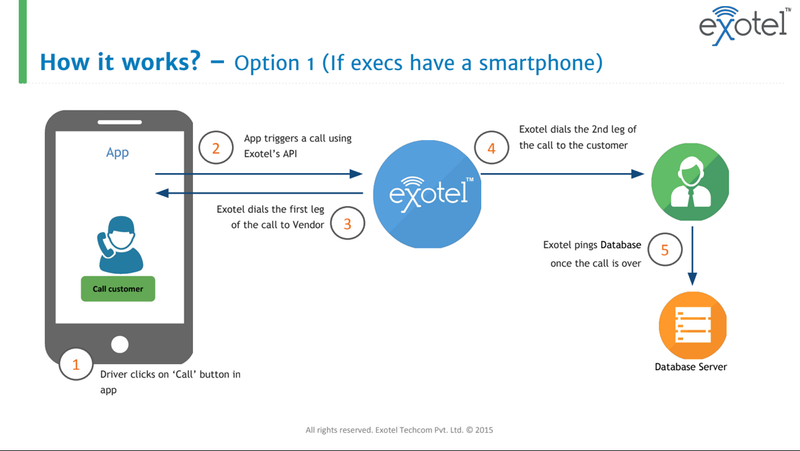
Good chatbots do not gatekeep. They guide.
Why Brands Choose CupShup as Their AI Marketing Agency
CupShup isn't just another ai marketing agency — we're a team that's built AI into the DNA of 10,000+ brand activations across 300+ Indian cities. From AI-powered audience targeting and predictive campaign planning to automated performance dashboards and real-time optimization, our hybrid AI + human approach delivers results that pure-play agencies can't match. Whether you need AI-driven content, smart media buying, or marketing automation at scale, CupShup brings the technology and the street-smart execution together.
What Experienced Teams Quietly Do Better with AI and Automation
Senior teams design for failure, not perfection. Every chatbot will fail at some point. Smart teams decide how it fails.
They build friendly fallback responses, keep human handoff visible, and track metrics beyond containment rate. Conversation completion, silent drop offs, escalation satisfaction, and repeat contact rates tell the real story.
They also write conversationally but architect logically. The tone feels casual. The decision tree underneath is disciplined. Friendly on the outside, sorted on the inside is how someone once described it, and that balance is everything.
Most importantly, they treat chatbots like living products within their marketing solutions stack. Weekly reviews. Monthly retraining. Regular UX tweaks. Set and forget bots are the reason chatbots still get eye rolls.
Why This Matters Right Now for AI, Marketing Solutions, and Amplification
AI tools are becoming easier to access. Which means bad chatbots will multiply faster than good ones.
Brands that treat chatbots as a CX layer, a trust interface, and an extension of brand voice will quietly win loyalty and amplification across channels. The rest will wonder why customers keep dropping off without complaining.
The best chatbot experience is the one customers barely notice but deeply appreciate. No loops. No rage typing. Just help, jab zarurat ho.
That’s not automation. That’s good design.
And honestly, as a team that thinks, writes, debates, and sometimes argues about customer experience for a living, this is the kind of work that excites us.
Want to build AI chatbots people don’t want to escape from?
If you’re rethinking your chatbot strategy or planning one from scratch, explore more of our blogs on AI, automation, and marketing solutions that actually drive amplification. And if you want to talk, let’s connect.
Because marketing that moves should also listen.
Ready to Get Started? Talk to CupShup
Want to put AI to work for your brand's marketing? CupShup's AI marketing team builds custom strategies powered by data, automation, and real-world execution across 300+ cities. Book a Free AI Marketing Strategy Call →
50 Integrated Marketing Campaign Ideas
The complete playbook with campaign frameworks, budget templates, and measurement guides for Indian brands.
Instant download + email copy. No spam, ever.
Explore CupShup Services
Brands that read this article also explored these services.
AI Digital Marketing Agency
AI-powered campaign strategy, content, and performance optimization for growth-stage brands.
Learn more MarTechTechnology Marketing Agency
Marketing tech infrastructure, automation, data pipelines, and martech integration.
Learn more DigitalDigital Marketing Agency
Full-stack digital marketing, performance, social, content, and programmatic campaigns.
Learn moreCuppa CS
Digital Marketing Expert specializing in AI-powered marketing tools and automation. Cuppa CS helps brands leverage cutting-edge technology to optimize their digital presence and drive customer engagement.
Related Stories



Go Deeper with Our Free Guides
Comprehensive, in-depth marketing guides created by CupShup's experts.
The Ultimate Guide to Brand Activation
Everything you need to know about bringing your brand to life, strategies, examples, and frameworks.
The Ultimate Guide to Digital Marketing
Master every channel in the modern digital marketing ecosystem, from SEO to paid media.
The Ultimate Guide to SEO
The definitive guide to search engine optimization, on-page, technical, and link building strategies.