
The Role of Play in Adult Brand Engagement
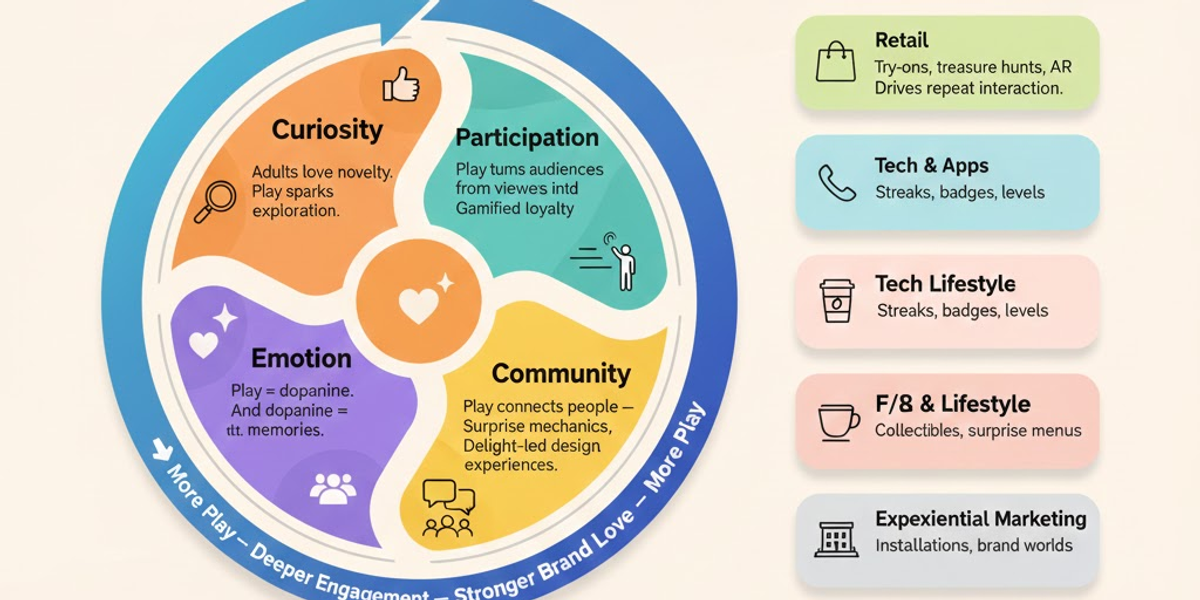
Somewhere between school exams and office KPIs, adults were told a lie.
Looking for an experiential marketing agency that creates moments people never forget? CupShup combines AI-powered planning with on-ground experiential marketing across 10,000+ campaigns, helping brands connect with audiences through immersive, measurable experiences.
That play is childish.That fun is unproductive.That brands talking to grown-ups should be serious, sensible, and slightly boring.
And yet…Adults today spend hours playing Wordle, sending stickers on WhatsApp, obsessing over IPL fantasy leagues, and queueing up to try things “just for fun” at malls and events.
Turns out, we never outgrew play.We just rebranded it as “stress relief”.
Which is exactly why play has quietly become one of the most powerful tools in modern brand engagement.
Why Play Works (Even When You’re 30+ With Back Pain)
Psychologically, play does three things beautifully.
It lowers defences.It sharpens attention.And it strengthens memory.
When adults play, they stop analysing and start experiencing. The internal monologue shifts from “What are they trying to sell me?” to “Okay, this is actually nice”. That moment of lowered guard is marketing gold.
There’s research behind this too. Play activates dopamine, which improves recall and emotional association. Translation: people remember brands they had fun with, not brands that tried too hard to impress them.
This is why LEGO hosts adult-only build nights, why Duolingo gamifies learning through streaks and characters, and why Nike frames fitness as challenges instead of discipline. None of these brands are being silly. They’re being smart.
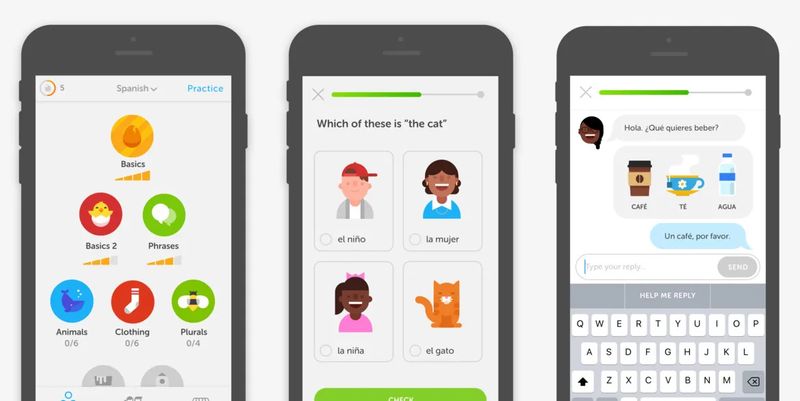
Play removes pressure.And relaxed people engage longer.
Play Isn’t Silly. It’s Strategic.
The biggest misunderstanding about play in marketing is that it’s random or unserious. In reality, the most effective playful experiences are deeply intentional.
Look at Spotify Wrapped. It’s data dressed up as entertainment. Users aren’t just consuming information; they’re playing with their identity. They’re comparing stats, sharing screenshots, joking about their listening habits. The brand disappears into the background, while engagement explodes.
Or take IKEA’s AR tools. They’re not screaming “BUY NOW”. They’re letting people experiment. Move the couch. Rotate the table. See how it fits. Decision-making disguised as play.
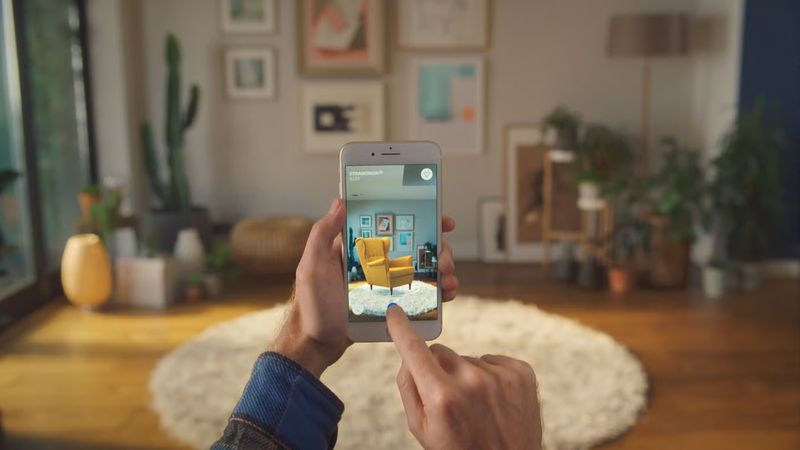
The smartest brands don’t use play to distract from the product.They use play to lead people gently toward it.
Where Play Shows Its Real Power: On-Ground Experiences
Digital play is effective. Physical play is unforgettable.
When play enters real-world brand interactions, something interesting happens. People stop behaving like “targets” and start behaving like humans. They laugh. They compete. They involve friends. They linger.
This is especially powerful in Tier 2 and Tier 3 markets, where community participation and shared experiences matter deeply. During Vijohn’s Tier 3 activation, instead of pushing a hard-sell grooming narrative, the engagement leaned into simple, accessible games that encouraged curiosity and participation. Men who might otherwise walk past a grooming stall stayed back, interacted, joked with promoters, and slowly warmed up to the product.
Nothing about it felt forced.Nothing felt like a pitch.
Play became the bridge between hesitation and trust.
Play Respects the Adult Ego
Adults don’t want to be told what to do. They want to choose.
Play works because it gives people control. You can join in, opt out, try again, laugh at yourself, or simply watch. There’s no pressure, no judgment, no obligation.
That’s why playful brand experiences work better than loud sales pitches. They invite participation without demanding it. They say, “Come if you want”, not “Listen to us now”.
And when someone chooses to engage, the brand relationship starts on very different terms.
When Play Goes Wrong
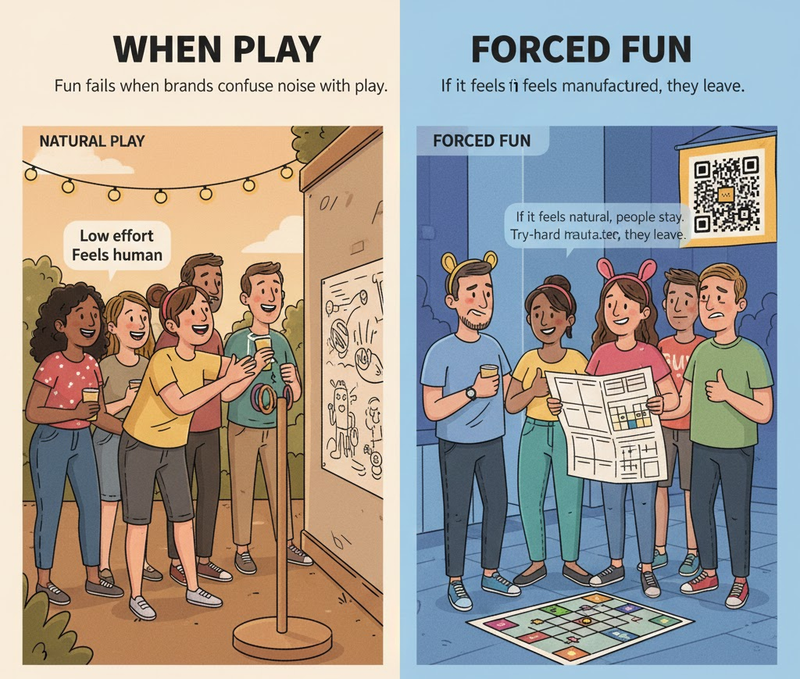
Play fails when brands mistake noise for fun.
- Overcomplicated games.
- Cringe humour.
- Forced enthusiasm.
- Activities that feel like unpaid labour.
Adults are allergic to fake fun. If an activity feels like homework or a bad office icebreaker, people will walk away faster than they walked in.
The rule is simple:If the experience feels natural, people stay.If it feels manufactured, they leave.
How Play Turns Engagement Into Memory
Here’s the part most brands underestimate: play doesn’t just increase engagement, it rewires memory.
When people participate in something playful, their brain stops recording the interaction as “brand exposure” and starts storing it as a personal experience. That’s a massive shift. Experiences don’t fade the way ads do. They get recalled at random moments, retold in conversations, and compared with other experiences.
This is why someone might forget a discount code but remember the brand that made them laugh at a society event. Or why a simple game played at a stall becomes a story that gets retold at dinner later that night.
Play creates what psychologists call episodic memory, memories tied to a moment, a place, and a feeling. Once your brand enters that category, you’re no longer competing with other ads. You’re competing with memories. And that’s a fight most brands don’t even get invited to.
Read next: AR + Offline: When Digital Layers Meet Real-World Fun in ..., TAP, TRACK, WOW: How NFC and RFID Are Quietly Taking Over..., and D2C Marketing Strategy: How Experiential Content Shortens....
Read next: AR + Offline: When Digital Layers Meet Real-World Fun in ..., TAP, TRACK, WOW: How NFC and RFID Are Quietly Taking Over..., and D2C Marketing Strategy: How Experiential Content Shortens....
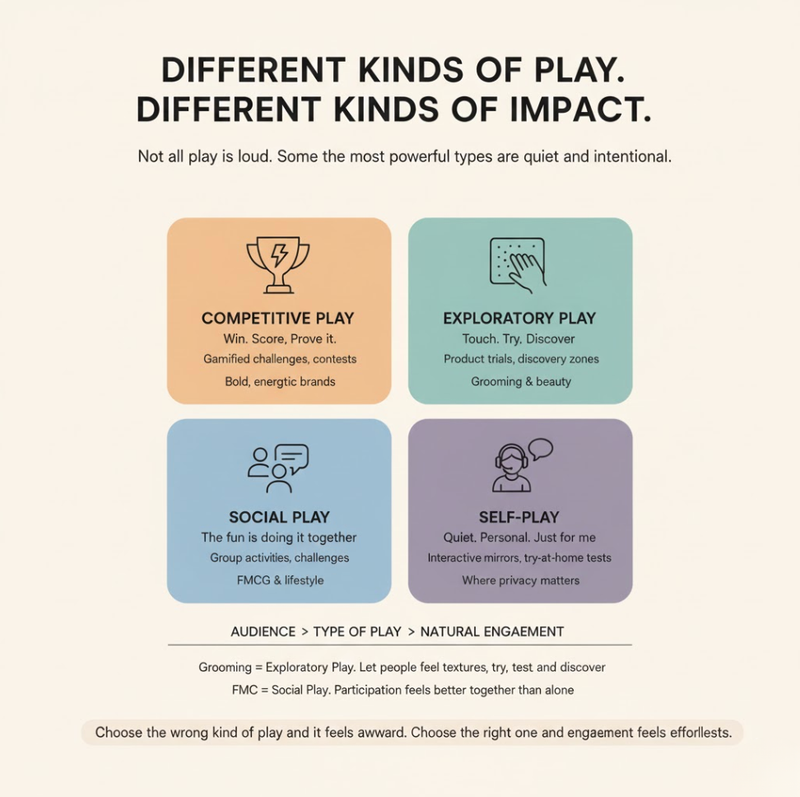
Different Kinds of Play, Different Kinds of Impact
Not all play needs to be loud or competitive. In fact, some of the most effective playful engagements are quiet and subtle.
There’s competitive play, where people want to win, beat others, or prove something.There’s exploratory play, where curiosity leads the way, trying, touching, experimenting.There’s social play, where the fun comes from doing something together.And then there’s self-play, where people enjoy the experience privately, without an audience.
The key is matching the type of play to the audience and the category. Grooming brands, for example, benefit hugely from exploratory play. Let people try, test, and discover at their own pace. FMCG brands often thrive on social play, where participation becomes a group activity rather than an individual one.
When brands choose the right kind of play, engagement feels effortless. When they choose the wrong one, it feels awkward fast.
Why Brands Choose CupShup as Their Experiential Marketing Agency
CupShup isn't just another experiential marketing agency — we're a team that's built experiential thinking into the DNA of 10,000+ brand activations across 300+ Indian cities. From immersive brand experiences and pop-up activations to AI-powered audience insights and real-time engagement tracking, our hybrid experiential + tech approach delivers impact that traditional agencies can't match.
Play Doesn’t Dilute Credibility. It Builds It.
There’s a lingering fear in many boardrooms that play makes a brand look unserious. That fear usually comes from confusing play with gimmicks.
Play isn’t about jokes for the sake of jokes. It’s about inviting interaction without pressure.
A brand can be playful and still be premium.Playful and still be trustworthy.Playful and still be aspirational.
In fact, play often makes brands feel more confident. Only brands secure in their identity can afford to loosen up. And consumers pick up on that instantly.
When done right, play signals comfort, not chaos.
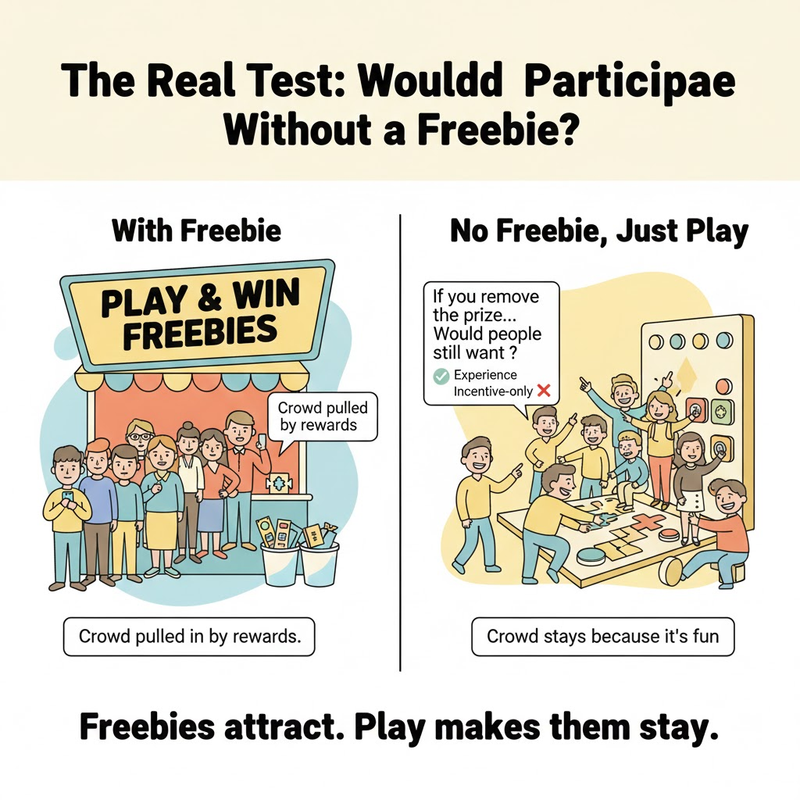
The Real Test: Would People Participate Without a Freebie?
Here’s a question we always come back to when evaluating playful ideas:
If you remove the prize, would people still want to play?
If the answer is yes, you’re onto something meaningful.
If the answer is no, you’re probably relying on incentives instead of experience.
Freebies can pull people in. Play is what makes them stay.
The Final Word: Adults Don’t Want to Be Entertained. They Want to Be Included.
The biggest shift in modern brand engagement is this: people don’t want brands to perform for them. They want brands to create spaces they can step into.
Play does exactly that.
It turns brands from broadcasters into hosts.From sellers into facilitators.From interruptions into moments.
In a world where adults are overstimulated, oversold to, and constantly scrolling, play offers something rare: a pause that feels good. And brands that create that pause don’t just earn attention. They earn affection, memory, and loyalty.
Want to Build Brand Experiences People Actually Want to Participate In?
If you believe marketing should feel less like a pitch and more like a moment people choose to be part of, we should talk.Drop us a “hi” on Instagram or LinkedIn, explore our work at cupshup.co.in, and let’s create brand experiences people don’t just see, they feel.
Ready to Get Started? Talk to CupShup
Whether you're planning a high-impact campaign or looking for a experiential marketing agency that delivers real results — CupShup's team is ready to help. Book a Free Experiential Marketing Strategy Call →
50 Integrated Marketing Campaign Ideas
The complete playbook with campaign frameworks, budget templates, and measurement guides for Indian brands.
Instant download + email copy. No spam, ever.
Explore CupShup Services
Brands that read this article also explored these services.
Brand Activation Agency India
India's leading brand activation agency, 400+ campaigns, pan-India reach, real-time dashboards.
Learn more ExperientialExperiential Marketing Agency
End-to-end experiential campaigns that create memorable brand moments and drive measurable ROI.
Learn more BrandBrand Strategy Services
Brand identity, positioning, and messaging frameworks built for competitive Indian markets.
Learn moreYuvana Singh
Creative Director passionate about storytelling and brand innovation. Yuvana leads CupShup's creative team, bringing fresh perspectives to campaign development and helping brands connect with their audiences through compelling narratives.
Related Stories

Go Deeper with Our Free Guides
Comprehensive, in-depth marketing guides created by CupShup's experts.