
Sensory Marketing: How Touch, Smell & Sound Build Brand Recall and Trust
You know how every brand today screams, “We’re different!” yet somehow, they all sound the same?Yeah, it’s a crowded bazaar out there. Attention spans are shorter than a Mumbai signal light, and every scroll brings ten new ads trying to outshine each other.
Looking for an experiential marketing agency that creates moments people never forget? CupShup combines AI-powered planning with on-ground experiential marketing across 10,000+ campaigns, helping brands connect with audiences through immersive, measurable experiences.
But here’s the twist: people don’t remember what they saw; they remember what they felt.
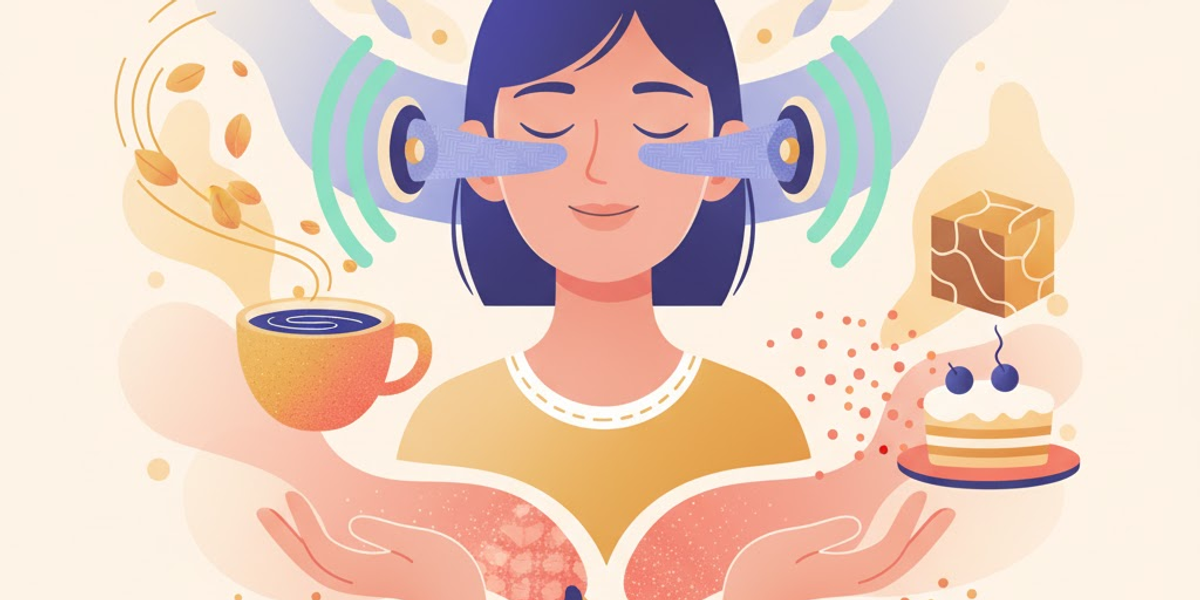
That smell of fresh coffee on a sleepy morning? The soft thud of your favorite shoe brand’s packaging? The background hum that instantly makes you think of a certain app? That’s not coincidence. That’s sensory marketing, the silent superstar turning brand noise into brand nostalgia.
At CupShup, we call this our playground, the bridge where offline experiences meet online buzz. “Marketing That Moves” isn’t just our tagline; it’s how we make brands live rent-free in people’s senses. And today, we’re diving into how sensory marketing, especially touch, smell, and sound, builds trust so deep, it’s almost emotional.
What Exactly Is Sensory Marketing (Aur Yeh Itna Important Kyu Hai)?
Imagine you walk into a store that smells faintly of roasted coffee and vanilla. The playlist is mellow, the lighting’s warm, and when you touch the product, it just feels right.
Congratulations, you’ve just experienced sensory marketing in its most effortless form, a perfect mix of experiential marketing and ambient advertising.
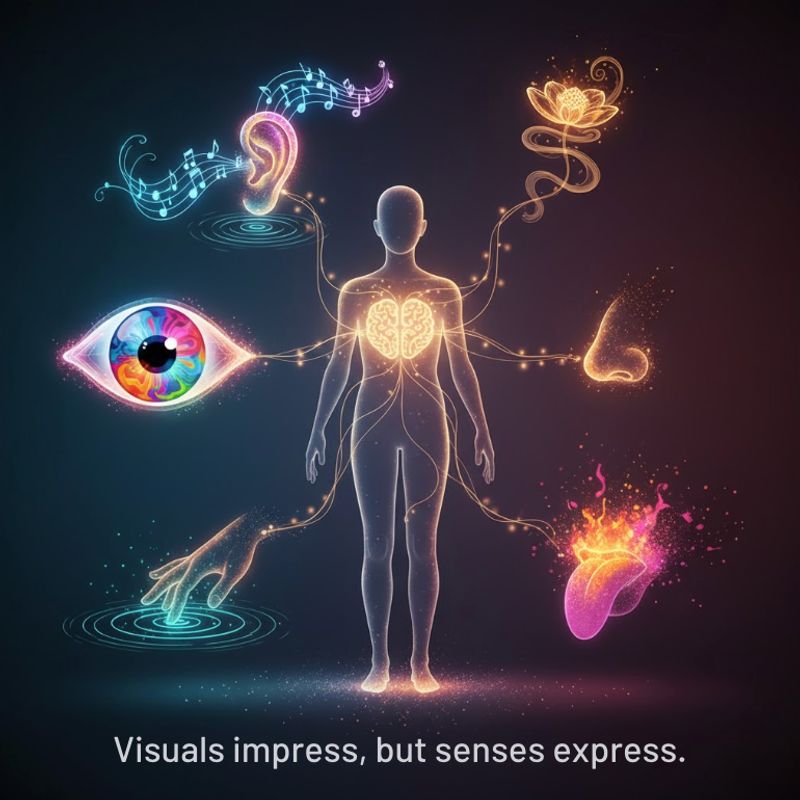
In simple terms, sensory marketing uses the five senses, sight, sound, smell, touch, and taste, to influence how people perceive and connect with a brand through experiential events and multi-sensory campaigns.
According to Bertil Hultén, one of the big names in this space, brands that engage multiple senses are not just noticed, they’re remembered. And a 2024 study proved it: the more senses you involve, the higher your customer satisfaction, emotional connection, and loyalty.
When I was writing this, Yuvana said something that hit home: “Visuals impress, but senses express”. She’s right. The senses hit where logic doesn’t, the heart.
Because at the end of the day, people don’t buy products. They buy feelings they trust.
The Secret: Familiarity Breeds Trust
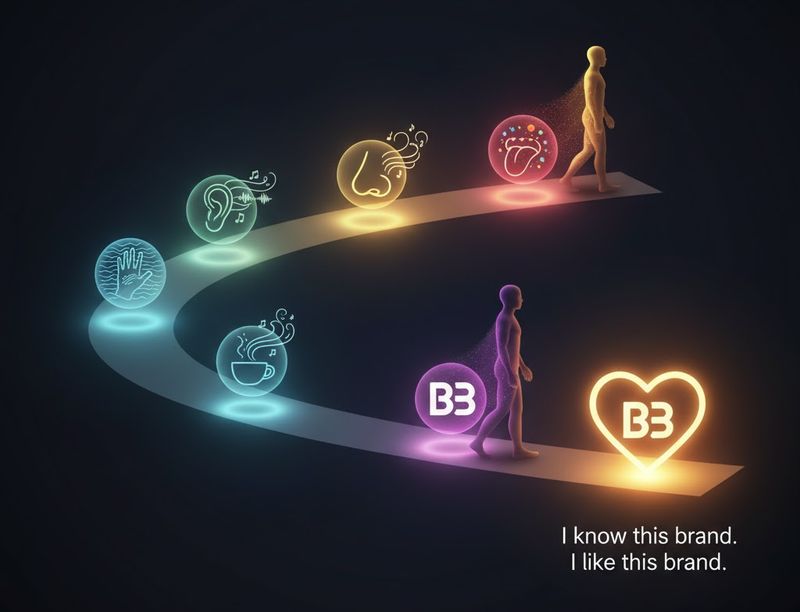
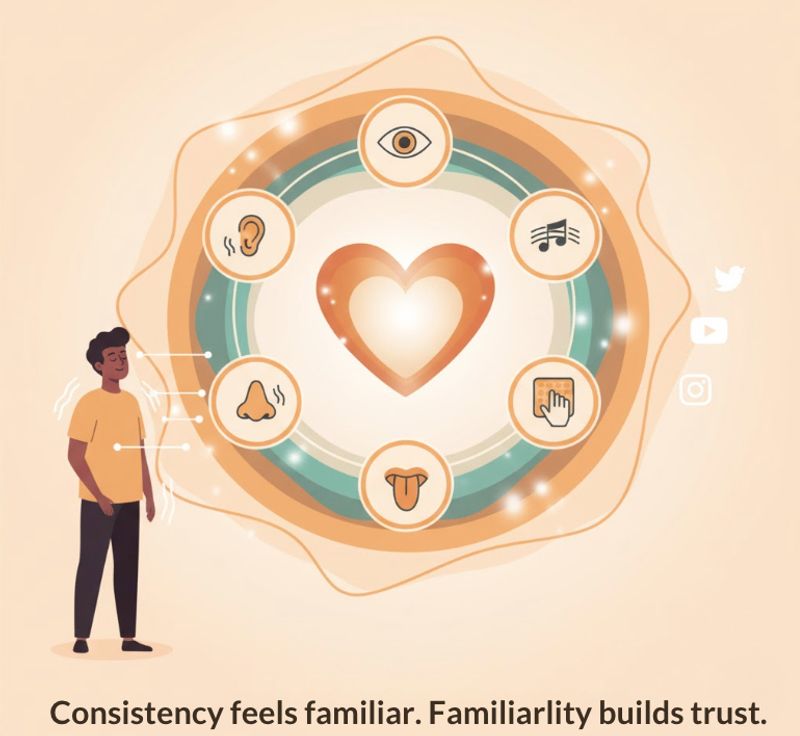
Trust isn’t built overnight. It’s built every time someone experiences your brand and feels the same emotion again.The more consistent your brand feels, across touch, sound, or smell, the more people start believing, “I know this brand. I like this brand”.
But sensory marketing isn’t about throwing in fancy scents and sounds just to show off. Like Sourav says, “If it doesn’t fit, it’s just fragrance, not strategy”.
You’ve got to blend your brand’s personality into the sensory experience, like a perfectly brewed cup of chai. The balance is everything.
The same applies to experiential campaigns and guerilla marketing examples. A clever idea alone doesn’t make people trust your brand. It’s the emotion, the multi-sensory experience, and how it connects both offline and on social media that makes it memorable.
Touch: The First Handshake of Trust
Let’s talk about touch, that quiet yet powerful connector.
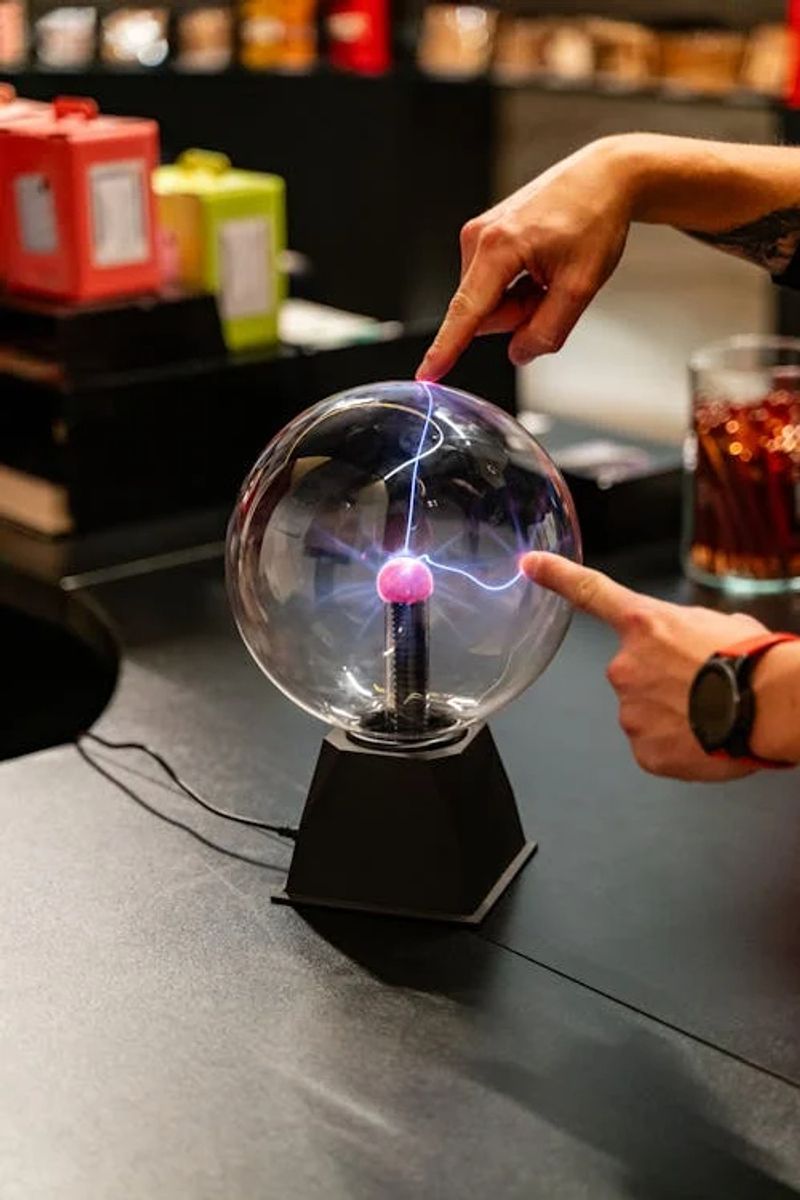
Studies show that tactile cues, how a product feels, directly influence perceptions of quality. Soft-touch finishes, embossed textures, or matte materials create a sense of premium craftsmanship.
When we were working on a client activation last quarter, Krithika picked up one of the custom cups and said, “This doesn’t just look good; it feels like a brand you can trust”. And that’s the whole point.
Touch brings your promise to life, literally. It’s why so many experiential marketing campaigns use tangible props, textured displays, or interactive booths at experiential events to create lasting impact.
CupShup Pro Tips:
- Maintain tactile consistency. Whether it’s a cup, a brochure, or a pop-up counter, make sure it all feels like you.
- Play with texture. Smooth finishes make people linger longer, even if subconsciously.
- Track dwell time. As Divyanshu once pointed out, “People touch what they trust, and they trust what they touch”.
Just one warning: don’t oversell luxury through touch if the experience inside doesn’t live up to it. Fancy velvet packaging can’t save a flimsy product.
Added Insight:
Touch can also play a role in digital marketing. While customers can’t physically touch a screen, your visuals and words can still simulate touch. Close-up textures, descriptive copy (“silky smooth”, “handcrafted feel”), and unboxing videos can create virtual tactility. That’s how digital brands add touch without touching, even on social media.
Smell: The Shortcut to Emotion
Ah, smell. The unsung hero of marketing. It’s wild how a single aroma can teleport you years back to a college canteen, a Diwali fair, or your dadi’s kitchen.
That’s because the olfactory nerve links straight to the limbic system, the part of the brain that controls memory and emotion. You can’t argue with biology.
One of my favorite guerilla marketing examples is McDonald’s Smell Board in the Netherlands. No visuals, no giant M logos, just the mouthwatering aroma of their fries wafting from a billboard. People literally followed their noses to the nearest outlet.

A study by the Smell & Taste Research Foundation even found that shoppers in scented spaces were 84% more likely to make a purchase. Talk about sales powered by sniffing.
Smell Smart with These Tips:
- Create a signature scent. Not too loud, not too faint, just enough to whisper your brand’s story.
- For CupShup’s chai activations, we once experimented with a mild roasted coffee and elaichi blend. The result? Crowds lingered 40% longer (thanks Surya, for the data dive).
- Keep it contextual. What smells like heaven in one city could be “meh” in another.
And please, no “all-purpose” fragrances. If your activation smells like an overenthusiastic perfume ad, people will run faster than your engagement metrics.
Added Insight:
You can use scent to set mood zones at your activations. For example, use a warm scent at the entry (inviting) and a fresh one at exit (memorable). Retailers use this trick in ambient advertising to control customer energy levels. And yes, it works wonders in India’s sensory-rich chaos.
Sound: The Invisible Identity
Now, let’s tune into sound, the unsung (pun intended) backbone of brand recall.
Ever noticed how a single notification chime or the click of a cap can remind you of a brand instantly? That’s sound branding doing its magic. It’s why sound isn’t just for jingles anymore; it’s the new logo.
Research shows that consistent soundscapes boost emotional engagement and even make people perceive waiting times as shorter. Basically, music can make your audience forget they’re waiting, even for you.
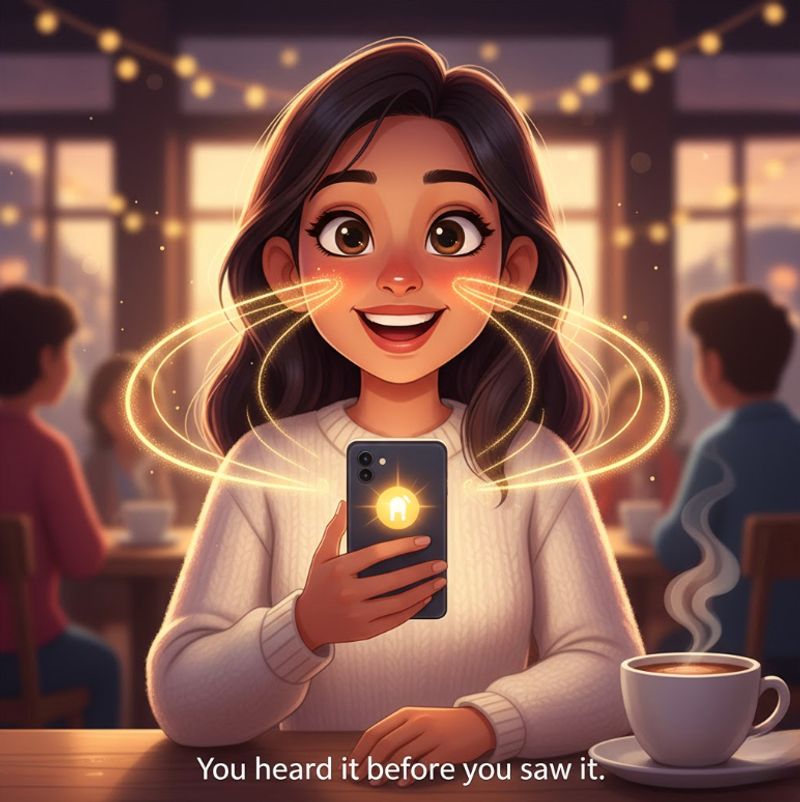
During one of our event preps, Maaz said something that stuck: “If your sound doesn’t match your vibe, it’s like playing dhols at a meditation camp”. He wasn’t wrong.
Sonic Strategy Checklist:
- Create a brand audio kit with one jingle, a few ambient tracks, and your own sonic logo.
- Match the beat to your brand mood. A youthful energy needs a faster tempo, a premium vibe, a slower, more immersive tune.
- Keep it consistent across activations, ads, experiential events, and reels. If they can hum it, they’ll remember it.
And remember, silence is also sound. The pause before a jingle drops or the ambient noise of a buzzing crowd can sometimes speak louder than words.
Added Insight:
Read next: AR + Offline: When Digital Layers Meet Real-World Fun in ..., TAP, TRACK, WOW: How NFC and RFID Are Quietly Taking Over..., and Offline Overload: How real-life experiences beat screen f....
Read next: AR + Offline: When Digital Layers Meet Real-World Fun in ..., TAP, TRACK, WOW: How NFC and RFID Are Quietly Taking Over..., and Offline Overload: How real-life experiences beat screen f....
Sound can also influence behavior. Low-tempo beats can slow people down (great for cafés), while faster beats energize (perfect for fitness brands). Think beyond songs. Sound design can shape mood, focus, and even perception of time.
Insider Tips Marketers Usually Miss
Now that you’ve got the basics, here are some pro-level insights that I’ve picked up along the way (and from watching Sidharth overthink campaign sound files for hours):
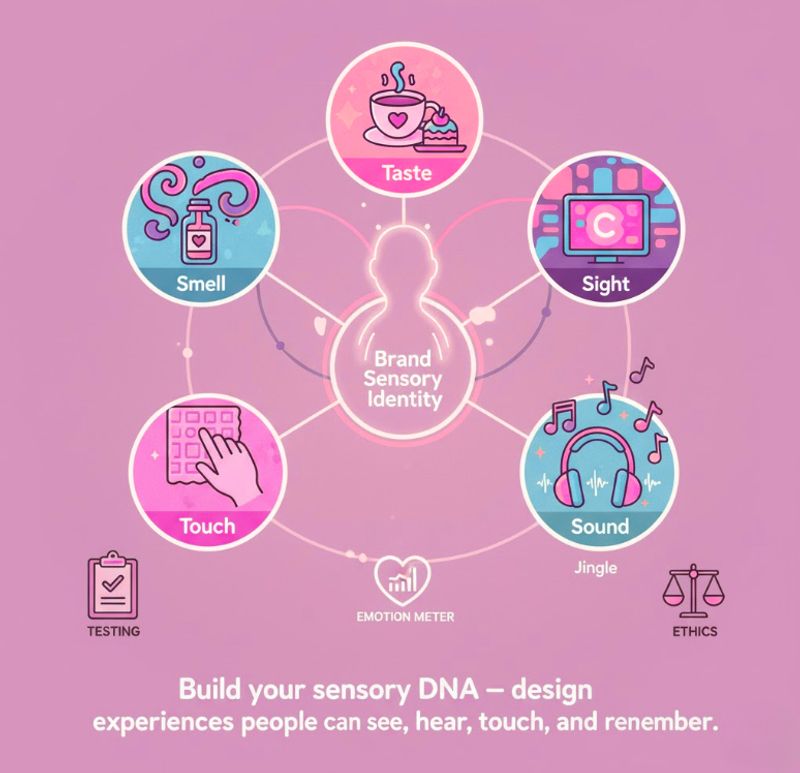
- Map your brand’s sensory DNA before you dive in. Decide what your brand should feel like, smell like, and sound like.
- Layer, don’t scatter. Combine two or three senses for depth. Think texture plus scent, or scent plus sound.
- Measure emotion, not just reach. Ask how it made people feel. That’s your real KPI for experiential marketing campaigns.
- Stay consistent. If your pop-up smells like vanilla but your packaging smells like coffee, you’re confusing the nose and the narrative.
- Be ethical. Sensory influence should delight, not manipulate.
Why Brands Choose CupShup as Their Experiential Marketing Agency
CupShup isn't just another experiential marketing agency — we're a team that's built experiential thinking into the DNA of 10,000+ brand activations across 300+ Indian cities. From immersive brand experiences and pop-up activations to AI-powered audience insights and real-time engagement tracking, our hybrid experiential + tech approach delivers impact that traditional agencies can't match.
- Always test with real audiences. Sensory experiences can vary wildly by culture, climate, and comfort level.
Or as Krithika once joked, “What smells like luxury in Delhi might smell like mosquito coil in Kerala”.And she’s not wrong.
Brands That Nailed It
Let’s quickly give a shoutout to a few sensory superstars that nailed experiential marketing through ambient advertising and smart campaigns:
- Singapore Airlines created a patented in-flight scent that lingers in your memory long after you land.
- Muji blends natural textures and serene soundscapes, making calm their brand signature.
- Mastercard turned multisensory by adding taste and sound to their identity to deepen recall.

They all prove one thing: you can’t just say who you are. People should be able to feel it.
Why Sensory Marketing Is the New Trust Engine
Think about it. When a consumer smells, hears, or touches something consistent every time, their brain whispers, “I know this brand. It always feels right”. That’s predictability. That’s comfort. And that’s trust.
As Divyanshu often says when presenting post-campaign data, “Consistency is the new creativity”. Because in a world full of chaos, the brands that feel familiar win hearts, wallets, and timelines. And with social media, those emotions don’t just stay offline, they spread.
Added Insight:
Sensory trust also builds long-term loyalty. When consumers trust what their senses tell them, they’re less likely to switch, even if a competitor offers a better deal. It’s subconscious brand stickiness, something that can easily be amplified through experiential marketing and sharable social media storytelling.
The CupShup Way Forward
We live in one of the most sensory-rich countries in the world. India smells like masala, feels like monsoon, and sounds like festival drums and traffic symphonies all at once. If there’s any place sensory marketing was born to thrive, it’s here.
At CupShup, that’s our canvas. We design experiential marketing campaigns that start offline and ripple online, from the aroma of chai at a pop-up to the satisfying clink of a branded cup that ends up on 10,000 Instagram stories.
So if you’re a marketer wondering how to make your brand unforgettable, maybe start with this: stop talking at your audience and start sensing with them.
Because in 2025 and beyond, the brands people love most won’t just be the ones they see, they’ll be the ones they can feel.
And honestly, as Yuvana said the other day while sipping her fifth chai of the morning, “Some brands just hit different, literally”.
CTA: Ready to Make Your Brand Unforgettable?
Let’s make your audience not just remember your brand, but feel it. Reach out to us at CupShup, and let’s design a sensory strategy that goes from Cups to Conversations, because in marketing, trust isn’t built by words; it’s brewed by experience.
Let’s make your brand something they can smell, touch, and hum about, both offline and on social media.
Ready to Get Started? Talk to CupShup
Whether you're planning a high-impact campaign or looking for a experiential marketing agency that delivers real results — CupShup's team is ready to help. Book a Free Experiential Marketing Strategy Call →
50 Integrated Marketing Campaign Ideas
The complete playbook with campaign frameworks, budget templates, and measurement guides for Indian brands.
Instant download + email copy. No spam, ever.
Explore CupShup Services
Brands that read this article also explored these services.
Brand Activation Agency India
India's leading brand activation agency, 400+ campaigns, pan-India reach, real-time dashboards.
Learn more ExperientialExperiential Marketing Agency
End-to-end experiential campaigns that create memorable brand moments and drive measurable ROI.
Learn more BrandBrand Strategy Services
Brand identity, positioning, and messaging frameworks built for competitive Indian markets.
Learn moreAakriti Mishra
Senior Marketing Strategist at CupShup with over 8 years of experience in brand activation and integrated marketing campaigns. Aakriti specializes in creating data-driven strategies that deliver measurable results for modern brands.
Related Stories


Go Deeper with Our Free Guides
Comprehensive, in-depth marketing guides created by CupShup's experts.