
AI for Marketing Transforms Consumer Behaviour: Artificial Intelligence in Marketing Strategy
Quick answer: consumer behaviour is the study of how people decide what to buy, use and recommend. It covers the need that starts a purchase, the choices people weigh, the factors that push them and what they do after buying. This guide explains the meaning, the four types and the main factors, then shows how AI is changing them in India.
What is consumer behaviour?
Consumer behaviour is how individuals and groups choose, buy, use and talk about products and services. For a marketer it answers three questions: who is buying, why they choose one brand over another, and what happens after the sale. A brand that understands this can place the right message in front of the right person at the moment they are ready to act.
The four types of consumer behaviour
Buying behaviour changes with how involved the buyer is and how different the brands look. The four common types are:
- Complex buying behaviour: the purchase is important and brands differ a lot, so people research before they buy. Think of a laptop, a car or a home loan.
- Dissonance-reducing behaviour: the purchase is important but brands look alike, so people decide quickly and then worry if they chose well. Think of flooring or a large appliance.
- Habitual buying behaviour: the purchase is low-stakes and brands look alike, so people repeat what they know. Think of salt, tea or toothpaste.
- Variety-seeking behaviour: the purchase is low-stakes but brands differ, so people switch for the sake of change. Think of snacks, soft drinks or soaps.
Factors that influence consumer behaviour
Four groups of factors, plus the situation of the moment, shape most buying decisions:
- Cultural: culture, region, language and social class. In India, festivals such as Diwali change what and when people buy.
- Social: family, friends, reference groups and online communities. Creators and reviews now sit in this group.
- Personal: age, income, occupation, lifestyle and stage of life.
- Psychological: motivation, perception, learning and beliefs about a brand.
- Situational: time, place, mood and urgency, such as a late-night craving or a last-minute gift.
The consumer buying decision process
Most purchases follow five steps, though people move through them faster for small buys:
- Need recognition: something triggers a want or a problem.
- Information search: people look at reviews, friends, search results and social posts.
- Evaluation of options: they compare price, quality, trust and convenience.
- Purchase: they buy, on the app, in a store or at an activation.
- Post-purchase behaviour: they use it, judge it and decide whether to buy again or recommend it.
Examples of consumer behaviour in India
- Festival buying: many households plan bigger purchases around Diwali and other festivals, so brands time offers and activations around them.
- Quick commerce habits: delivery in minutes has turned small, urgent purchases into routine behaviour.
- Language and trust: people respond to messages in their own language and to recommendations from people like them.
How AI is changing consumer behaviour
AI changes behaviour in two ways. It lets brands read signals at a scale people cannot, such as what someone searched, skipped or bought before. And it changes what shoppers expect: relevant suggestions and faster answers are becoming normal. The sections below show how that plays out.
Let’s be honest. Most people think of AI as either a ChatGPT prompt away from writing their emails, or as some sci-fi villain plotting world domination. But the truth? AI is neither a flashy showpiece nor a scary overlord.
Where Customer Segmentation Actually Changes Behaviour
Customer segmentation doesn't change what people want. It changes how fast a brand notices what they want. That distinction matters, because most conversations about customer segmentation skip straight to automation and miss the actual shift: good customer segmentation is really about noticing patterns a human team would take months to spot.
Personalised marketing is the clearest example. Personalised marketing doesn't tell you a customer is happy - it tells you which customers are more likely to churn next month, based on signals a person would never manually track. That's what strong customer segmentation is best at: turning personalised marketing from a slogan into a ranked list of who to talk to first.
AI personalisation takes this further by learning from every campaign that came before it. The brands getting real value from AI personalisation right now aren't the ones with the flashiest chatbot - they're the ones who built customer segmentation and personalised marketing into ordinary decisions, like which RWA cluster to activate next.
AI is the invisible hand already reshaping how consumers discover, desire, and decide.
Artificial Intelligence isn’t barging into consumer lives like a nosy neighbor. It’s more like that friend who knows your go-to coffee order, recommends the perfect Netflix binge, and reminds you when it’s time for your favourite snack.
It’s not shouting. It’s whispering. And those whispers are loud enough to change how consumers behave, what they want, and what they eventually buy.
The kicker? Most of the time, consumers don’t even realise it’s happening. And that’s exactly why it works.
So, dear brand managers, pour yourself a cup of chai. Let’s chat about how AI is quietly reshaping consumer behaviour in ways both sneaky and spectacular, and what you can do to keep up.
Familiarity Breeds Trust (And Repeat Purchases)
Here’s something every seasoned marketer knows. Consumers don’t fall in love at first sight. They fall in love at first pattern.
Think about Netflix. You didn’t trust it right away. But after the tenth late-night binge where it nailed your mood, you stopped scrolling and started believing. That’s not luck. That’s machine learning earning your loyalty one accurate recommendation at a time.
- Spotify doesn’t overwhelm you with millions of songs. It gives you Your Daily Mix. That’s AI making chaos look like comfort.
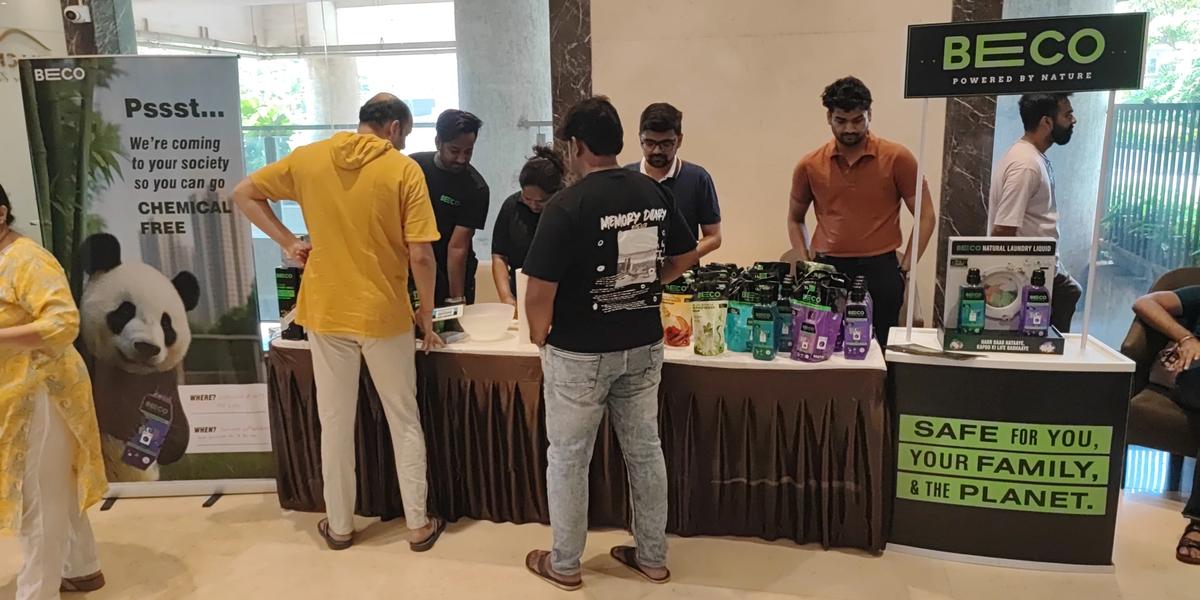
Beco sustainability activation engaging RWA residents
Pro Tip: Personalisation isn’t about giving more. It’s about giving just enough to feel magical. Think of it as a curated thali, not a never-ending buffet.
Nudges, Not Nagging
AI’s power isn’t about being louder. It’s about being smarter.
Look at TikTok. In 2023, it became the second-highest ROI social platform for B2B marketers. Not because CEOs love dance challenges, but because TikTok’s AI knows how to serve you videos that feel custom-made for your scrolling brain.
- A generic explainer video? Snooze. A personalised walkthrough? That’s the chai that keeps them coming back.
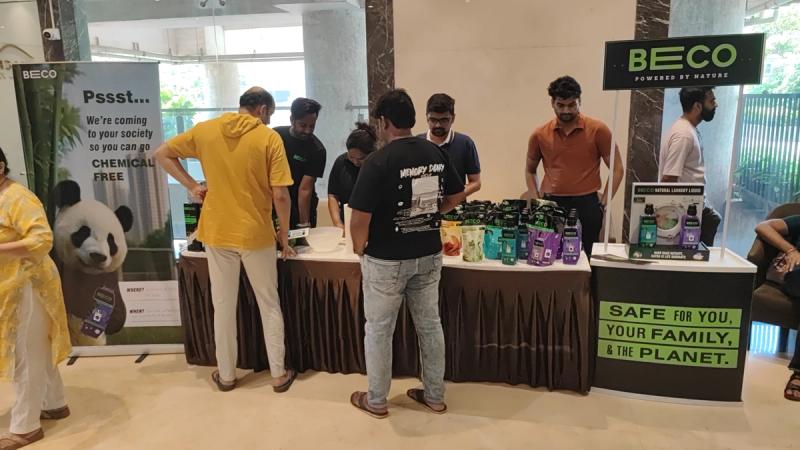
Beco sampling activation at a tech park
Pro Tip: Good AI is like that waiter who tops up your cup before you even ask. Bad AI is the one who keeps shoving the menu in your face.
Short-form is winning. Attention spans are shrinking, but AI-curated content keeps them hooked.
The takeaway? AI isn’t just predicting behaviour; it’s creating it.
Starbucks Knows When You Need Coffee Before You Do
If there’s one brand that brews AI right, it’s Starbucks.
Their loyalty app isn’t just about free points. It’s a caffeine fortune-teller.
- On cold Chicago mornings, it nudges people toward hot cappuccinos.
- On sweaty Mumbai afternoons, it tempts with cold brews.
- That 4 PM Caramel Latte push notification? That’s not luck. That’s AI working overtime.
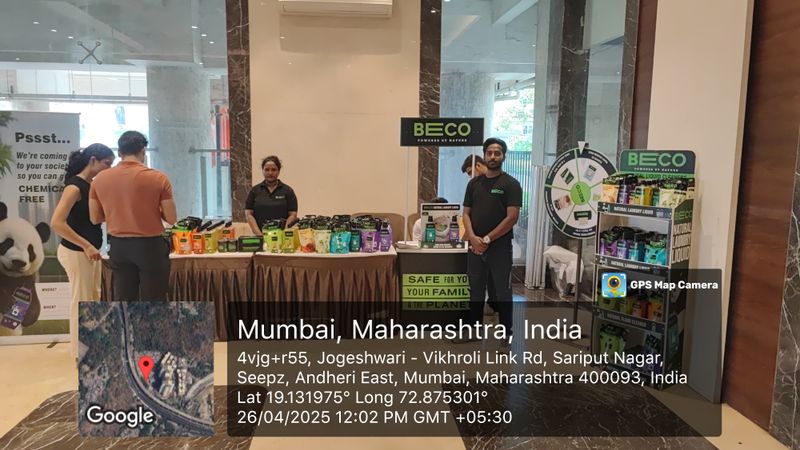
Beco brand conversation during a gym activation
Lesson for Brands: Consumers don’t want a stalker. They want a barista who just knows. Subtlety sells.
Cupshup’s Spin: From Chai to AI
At Cupshup, our mission is simple. We turn cups into conversations. And now, with AI in the mix, those conversations don’t stop at the tea stall. They travel, they trend, and they take over.
Picture this:
- A chai-stall activation that AI tracks for chatter. The ones that really buzz? They get turned into memes, reels, and conversations online.
- Guerrilla billboards tested with AI sentiment analysis so we know exactly whether humour, sass, or shock will get the internet to spill its tea.
- Campaign content where AI generates and tests multiple versions in real time. No guesswork. Just sharper, faster, more shareable creativity.
That’s why our promise is AI-led integrated growth for ambitious brands. And with AI, it moves smarter and with way more flair.
Pitfalls To Avoid (So You Don’t Spill the Chai)
AI can be powerful, but it can also backfire if you don’t handle it right. Here’s what the pros know to avoid:
- The Creepy Factor Nobody likes brands that feel like they’re peeking into their fridge. Wrong: “Hey Rohan, you didn’t order butter chicken in 12 days.” Right: “Craving comfort food? Your favourites are waiting.”
- Creativity on Autopilot AI can crunch patterns, but it doesn’t get culture. The best campaigns have human wit and AI’s precision working together. Use AI to scale your ideas, not replace your spark.
- Viral Obsession Viral isn’t a strategy. It’s a happy accident. The real strategy is value. Use AI to test and amplify, but keep your storytelling rooted in meaning.
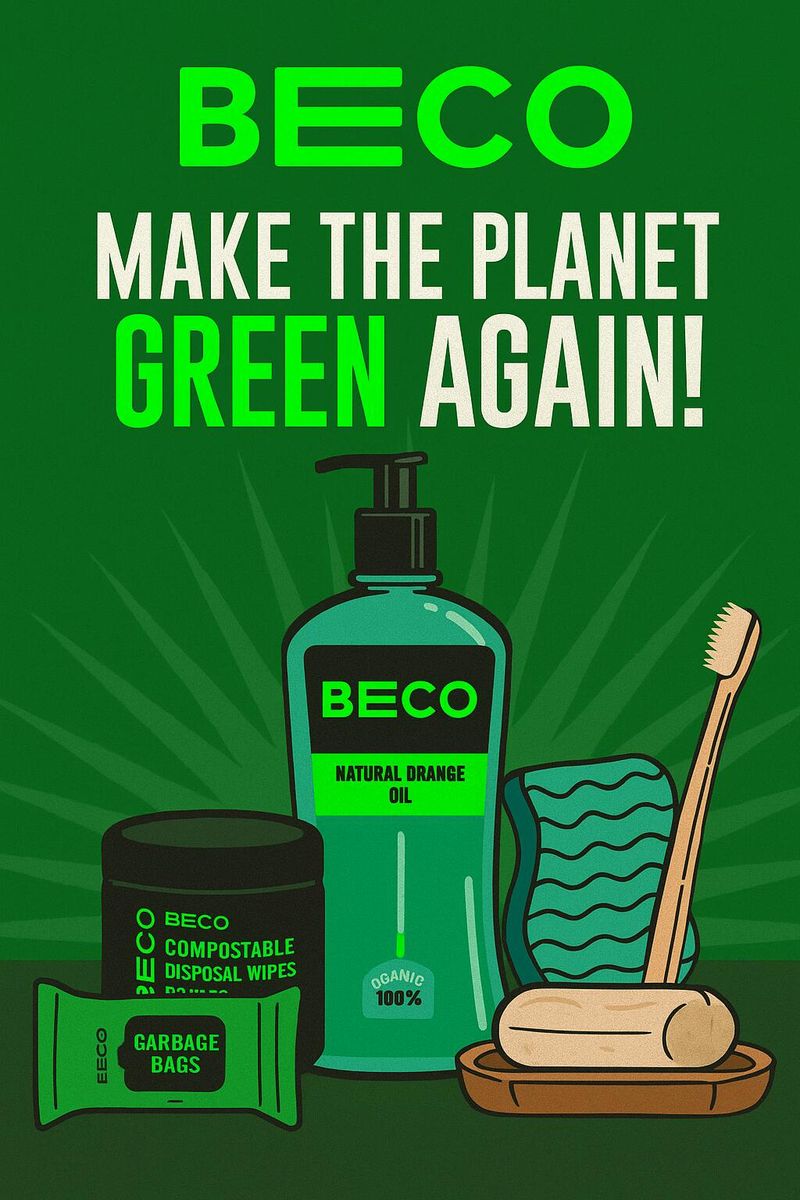
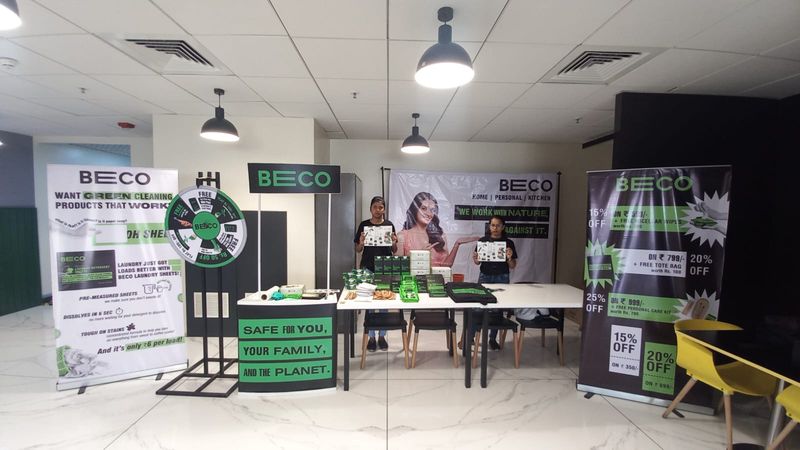
Beco sustainability brand activation overview
Pro Tip: AI is like masala in chai. Too little, it’s bland. Too much, and it ruins the cup. The magic is in balance.
Why Indian Brand Managers Can’t Ignore AI
If you’re a brand manager in India, your daily grind looks like this:
- Paid social costs going up
- Influencer ROI starting to plateau
- Consumers glued to OTT platforms and 30-second reels
AI isn’t a luxury here. It’s a lifeline.
With the right use, you can:
- Predict which micro-audiences are actually worth chasing and save big on CAC
- Turn guerrilla activations into online moments that snowball into cultural chatter
- Build retention without endlessly pouring money into paid ads
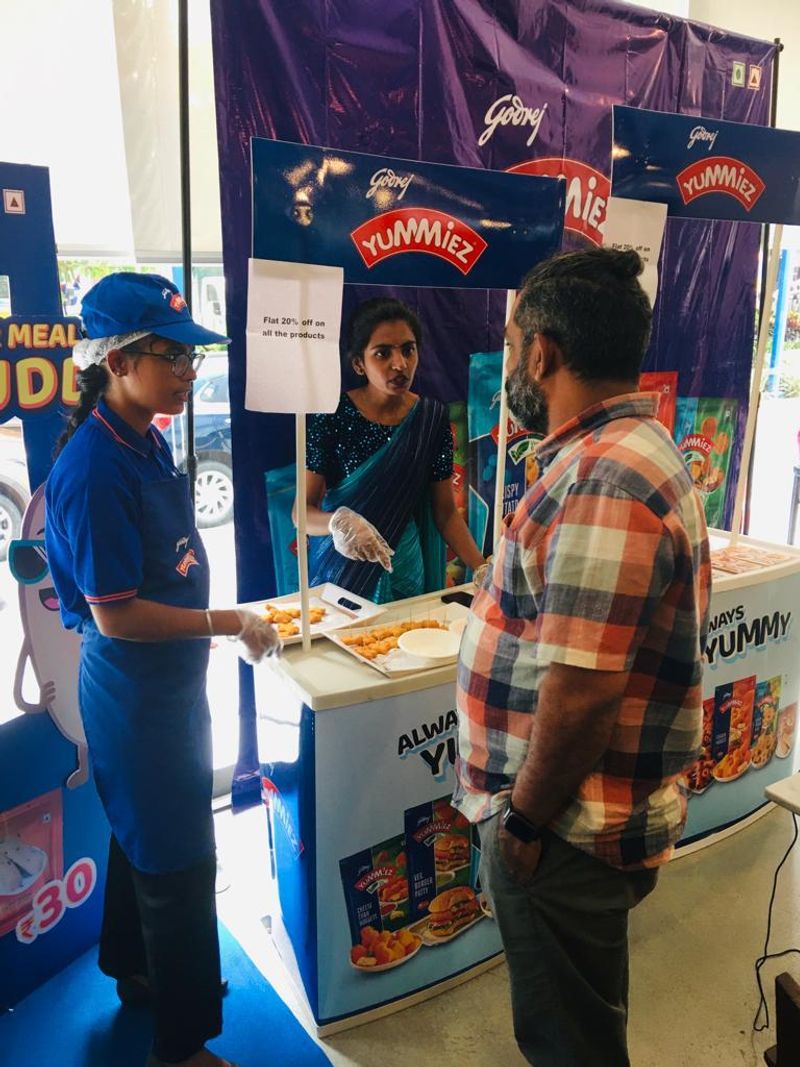
Godrej Yummiez sampling activation building consumer trust
Think of AI as your co-founder in marketing. Always awake, always crunching, and always ready with the next big idea.
Wrapping It Up (With a Stir)
AI isn’t a billboard. It isn’t a jingle. It’s the quiet background force making sure your brand feels like the right choice every single time.
So, what’s the real choice for brands? Use AI as a shiny buzzword, or use it as your secret growth engine.
At Cupshup, we’re already mixing AI with creativity that clicks. From chai cups that spark crypto chats to billboards that turn into memes, we make sure brands don’t just show up. They show up smart.
Because impressions fade. But conversations? With AI, they move fast, they move culture, and they move markets.
Ready to Brew Conversations That Move?
If you’re a brand manager who wants to harness AI’s precision with Cupshup’s creativity, let’s talk.
Drop us a message, and let’s turn your next campaign into a conversation India can’t stop having.
Ready to Get Started? Talk to Cupshup
Want to put AI to work for your brand's marketing? Cupshup's AI marketing team builds custom strategies powered by data, automation, and real-world execution across 30+ cities. Book a Free AI Marketing Strategy Call →
Behaviour Change Doesn't Start With an Algorithm
Consumer behaviour shifts when trust shifts, and trust is still built face to face more often than brands like to admit. Beco needed to move sustainability from a nice idea to an actual purchase decision.
Cupshup ran sampling and conversation-led activations across RWAs, gyms and tech parks reaching 100,000+ people and converting 8,000+ of them into new customers - a behaviour shift that no algorithm alone could have produced, but one that AI can now help identify, segment and scale once the human insight exists.
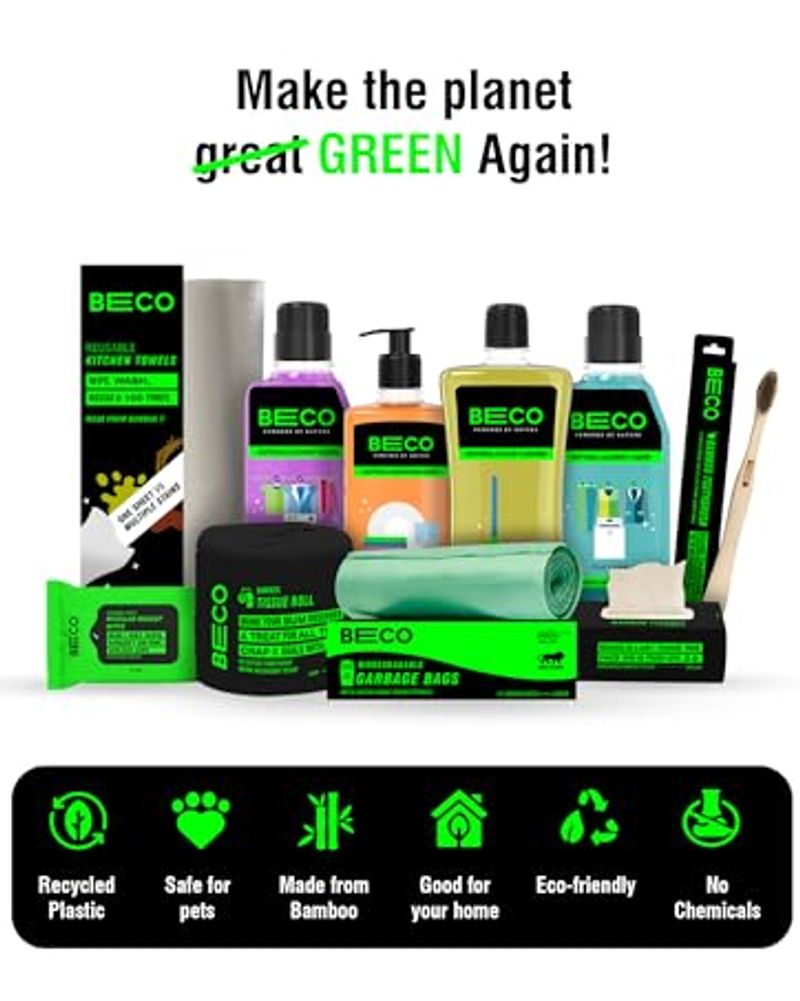
Cupshup's sustainability brand activation for Beco
That's the honest version of "AI rewiring consumer behaviour": it's rewiring how fast brands can act on behaviour patterns that real, on-ground conversations surface first.
Curious what your own audience actually looks like once it's grouped by behaviour? Audience Segments surfaces the same behaviour-based groupings without needing a data team on standby.
This is the exact intersection our AI Digital Marketing Agency team works in daily - reading behaviour signals and turning them into campaigns that convert.
Ready to turn behavioural insight into a real campaign? Talk to us.
Frequently asked questions
What is consumer behaviour?
Consumer behaviour is the study of how individuals and groups choose, buy, use and talk about products. It covers the full path from noticing a need to buying again.
What factors influence consumer behaviour?
Four groups of factors shape it: personal (age, income, habits), psychological (motivation, perception, trust), social (family, friends, communities) and cultural (language, festivals, regional norms). In India, local culture often changes behaviour from one city to the next.
How is AI changing consumer behaviour?
AI lets brands read patterns and send the right message at the right moment, so offers feel relevant and repeat purchases get easier. Done badly it feels like nagging, so the best brands use it to help, not to push.
To turn these insights into a plan, talk to our brand strategy team. Related reading: the psychology behind why people buy and what consumers take away from brand activations.
What are the 7 Os of consumer behaviour?
The 7 Os are a checklist for understanding a market: occupants (who buys), objects (what they buy), objectives (why they buy), organisations (who is involved in the decision), operations (how they buy), occasions (when they buy) and outlets (where they buy).
Read next: Google Gemini & The AI Power Stack: For Marketers Who Hat..., The Best AI Tools for SEO: From Keywords to Clicks (and W..., and Performance vs. Creativity: Where AI Truly Fits in Modern....
Why Brands Choose Cupshup as Their AI Marketing Agency
Cupshup isn't just another AI marketing agency — we're a team that's built AI into the DNA of 400+ brands across 30+ Indian cities. From AI-powered audience targeting and predictive campaign planning to automated performance dashboards and real-time optimisation, our hybrid AI + human approach delivers results that pure-play agencies can't match. Whether you need AI-driven content, smart media buying, or marketing automation at scale, Cupshup brings the technology and the street-smart execution together.
How Cupshup runs this as one system
Cupshup is an AI-led, integrated marketing partner, so none of this runs as a separate tool. We plan it smart, run it everywhere and prove it worked, across four connected areas: Discover (search and audience insight), Perform (paid media and conversion), Influence (creators and community) and Activate (on-ground and experiential). See how our AI-led approach sits inside our integrated marketing work.
For consumer behaviour, that means digital marketing built on what people actually do, social media management that responds to it, and content strategy that keeps pace with it.
50 Integrated Marketing Campaign Ideas
The complete playbook with campaign frameworks, budget templates, and measurement guides for Indian brands.
Instant download + email copy. No spam, ever.
Explore CupShup Services
Brands that read this article also explored these services.
AI Digital Marketing Agency
AI-powered campaign strategy, content, and performance optimization for growth-stage brands.
Learn more MarTechTechnology Marketing Agency
Marketing tech infrastructure, automation, data pipelines, and martech integration.
Learn more DigitalDigital Marketing Agency
Full-stack digital marketing, performance, social, content, and programmatic campaigns.
Learn moreAakriti Mishra
Senior Marketing Strategist at CupShup with over 8 years of experience in brand activation and integrated marketing campaigns. Aakriti specializes in creating data-driven strategies that deliver measurable results for modern brands.
Related Stories


Go Deeper with Our Free Guides
Comprehensive, in-depth marketing guides created by CupShup's experts.
The Ultimate Guide to Brand Activation
Everything you need to know about bringing your brand to life, strategies, examples, and frameworks.
The Ultimate Guide to Digital Marketing
Master every channel in the modern digital marketing ecosystem, from SEO to paid media.
The Ultimate Guide to SEO
The definitive guide to search engine optimization, on-page, technical, and link building strategies.