
Transit Advertising in India
Verified transit inventory across India. Transparent rates, real photos, direct inquiry - no agency markup.
CupShup plans and executes campaigns across this aggregated media inventory - as one part of our integrated marketing offering that spans on-ground activations, digital performance, and media. See our work
Transit advertising in India — metro stations, railway platforms, and the public-transport network that moves a sixth of the country every day — gives brands access to a commodity in short supply elsewhere in modern media: sustained attention. A Mumbai Local commuter spends 35-50 minutes a day on the platform and inside the train. A Delhi Metro commuter at an interchange like Rajiv Chowk has 8-12 minutes of platform dwell between trains. These aren't 3-second hoarding glances; they're sustained viewing windows that no digital or roadside medium delivers at this scale.
When transit works
Three campaign objectives line up well with transit. First: launches where you need to manufacture familiarity in a defined urban catchment — a fintech app that needs Bandra-to-Andheri coverage will get more out of a metro line takeover than a tier-2-city highway hoarding. Second: B2B and premium-consumer targeting via metro lines that index toward professional commuters (Cyber City on Delhi's Yellow Line, Whitefield on Bangalore's Purple Line). Third: mass-reach campaigns where you need tier-2 audiences that don't see hoardings — Indian Railways' 23 million daily passengers cover the entire socioeconomic pyramid in a way no other physical channel does. Transit doesn't work as a fine-grained targeting channel; everyone who walks past sees your panel. It excels at saturation reach within a station's pull radius.
Formats covered
This inventory currently covers two transit formats: metro station panels (concourse, platform and pillar formats inside Delhi, Mumbai, Bangalore, Hyderabad, Chennai and Kolkata metros) and railway station panels (static and digital displays at Indian Railways stations across major junctions). Both share the same data structure as outdoor — fixed location, measurable dimensions, photographable presence — but with one decisive difference: dwell time is roughly 100× longer than a hoarding. Other transit formats (bus body, cab wraps, auto branding, mobile vans) are being added in later batches; for now this inventory focuses on the highest-value fixed-location formats.
Rate drivers
Four factors set the gap between a ₹50K/month suburban-railway panel and a ₹3.5L/month flagship metro takeover. First, ridership volume — Rajiv Chowk pulls 600K+ daily footfall while a small-town railway junction pulls 5K. Second, station tier within a network — interchange stations command 2-4× the rate of terminal stations on the same line. Third, panel placement — concourse-level (just-arrived passengers waiting to exit) outranks platform-level (already-waiting passengers); both outrank above-stair panels that travellers walk past. Fourth, format — back-lit digital displays carry a 40-60% premium over static panels of the same size.
What we track
Every transit site in this inventory has been photographed, measured and tagged with its station, line and exact placement context (platform vs concourse vs entry). The metadata you see on each detail page is the same a planner would get from a physical site survey — minus the survey. If the photograph, ridership numbers and rate band fit your brief, request a quote; if not, the filters above narrow the next hundred panels to the dozen worth a closer look.
Transit rates across India
Indicative monthly rates (₹) by format. Live pricing is on each site page.
| Format | Sites | Range / month | Inquire |
|---|---|---|---|
| metro-back-lit-panel | 21 | On request | Get rates |
| metro-lift-branding | 21 | On request | Get rates |
| metro-digital-screen | 16 | On request | Get rates |
| metro-standee | 15 | On request | Get rates |
| metro-staircase-branding | 13 | On request | Get rates |
| metro-branding-package | 13 | On request | Get rates |
| metro-signage | 13 | On request | Get rates |
| metro-escalator-branding | 12 | On request | Get rates |
| metro-platform-screen-door | 12 | On request | Get rates |
| metro-pillar-branding | 10 | On request | Get rates |
| metro-jingle | 10 | On request | Get rates |
| metro-promotional-space | 9 | On request | Get rates |
| metro-co-branding-rights | 8 | On request | Get rates |
| metro-wall-branding | 8 | On request | Get rates |
| metro-ambient-lit-panel | 7 | On request | Get rates |
| metro-glass-branding | 6 | On request | Get rates |
| metro-static-panel | 5 | On request | Get rates |
| metro-back-lit-board | 5 | On request | Get rates |
| metro-non-lit-board | 5 | On request | Get rates |
| metro-stickers | 4 | On request | Get rates |
| metro-video-wall | 4 | On request | Get rates |
| metro-newspaper-sticker | 4 | On request | Get rates |
| metro-glow-sign-board | 3 | On request | Get rates |
| metro-platform-board | 1 | On request | Get rates |
| metro-glow-sign-box | 1 | On request | Get rates |
| metro-arch-branding | 1 | On request | Get rates |
Browse by city
Filter inventory, view live rates, and see what brands are buying in each market.
Types of transit media
Metro Station Panels
Fixed displays inside metro stations across the Delhi, Mumbai, Bangalore, Hyderabad, Chennai and Kolkata networks. Formats include concourse-level vinyl panels, platform-level back-lit boxes, escalator wraps and full-station takeovers. Premium pricing because metro commuters skew toward working-age professionals with above-median spending power — and dwell time on platforms (2-4 minutes per visit, 8-15 visits per week per commuter) compounds frequency without additional spend.
Railway Station Panels
Static and digital displays at Indian Railways stations, from urban terminals like Mumbai CST and New Delhi Junction down to tier-2 and tier-3 junctions across the network. Cheaper per site than metro because railway commuters span a broader SEC range, but raw reach is massive: Indian Railways serves 23M+ daily passengers. Best used as network buys (50-150 panels across a regional zone) to capture the corridor effect.
Transit campaigns we've run

Zepto Brand Activation: Experiential Marketing & BTL Mastery
CupShup ran a multi-market BTL and experiential activation for Zepto across 8 cities and 29 micro-markets - geo-mapped RWA, tech park and transit placements paired with sampling, QR-driven CRM triggers and hyperlocal guerrilla tactics drove 46 lakh+ app downloads, 28 lakh+ new users and 28% retention in a quick commerce category where 15-18% is the standard benchmark.
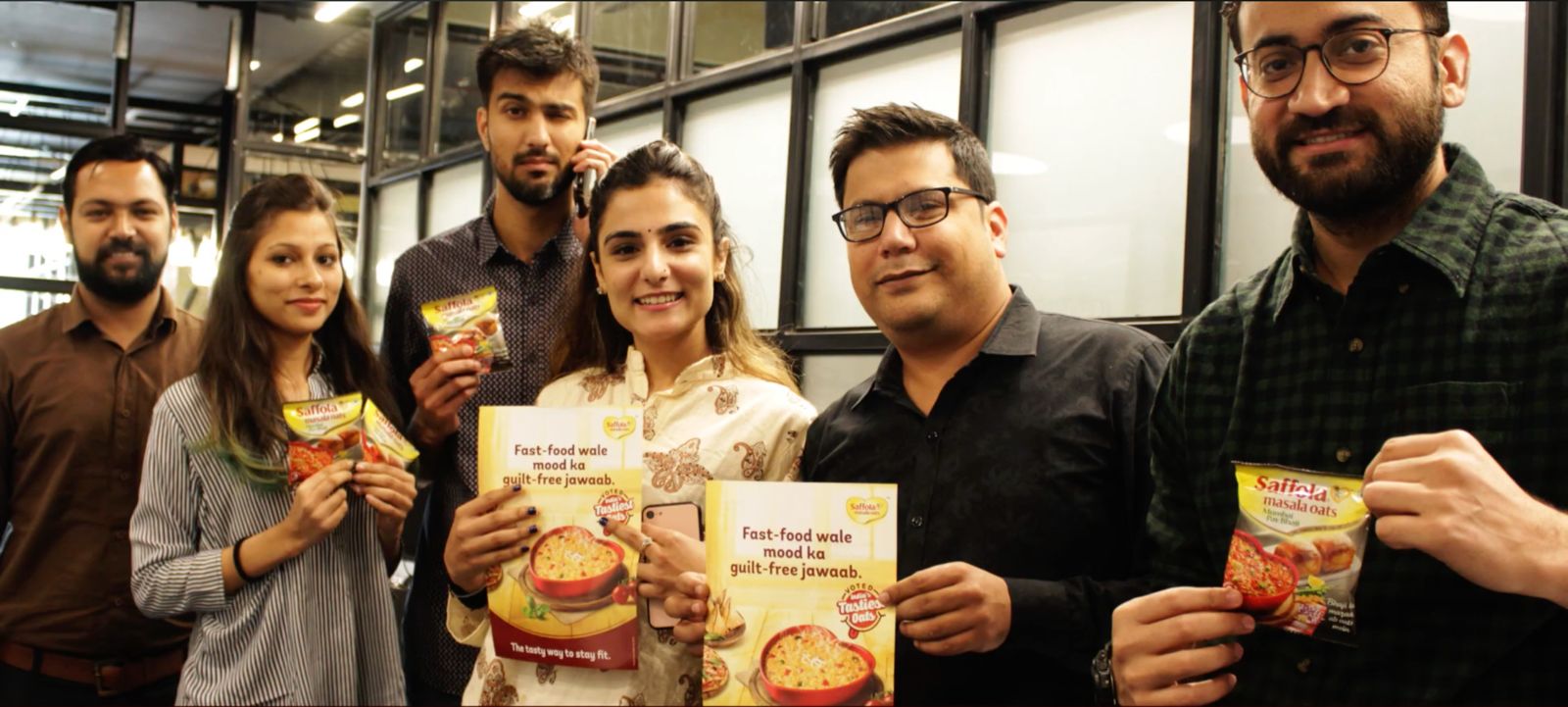
Marico Pav Bhaji Oats: From Pav to Pav Bhaji Oats - A Brand Activation Story That Redefined Breakfast Marketing
CupShup ran a 2-month multi-city FMCG sampling and brand activation for Marico's Pav Bhaji Oats across Delhi NCR, Bangalore, Chennai and Hyderabad - 10 lakh branded tea-stall cups, 50 corporate/RWA/college activations, 44,000+ nutritionist-led demos, 5 lakh+ QR scans and 12,000+ new customers - converting category skeptics into advocates for a breakfast-category launch.
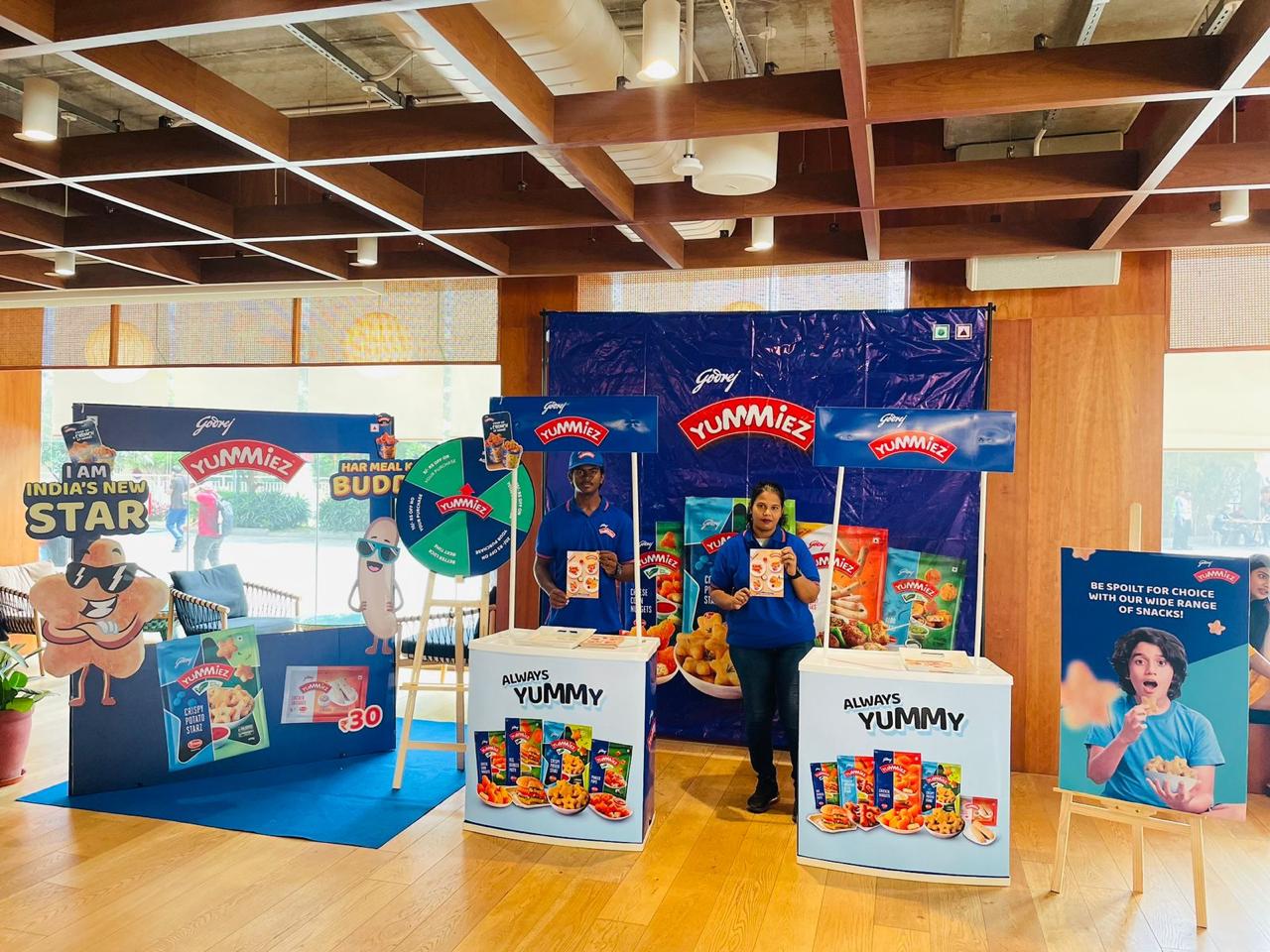
From Frozen to Trusted: How Godrej Yummiez Won Hearts Through Strategic FMCG Brand Activation
How CupShup transformed Godrej Yummiez from skeptical perception to trusted household name through strategic FMCG brand activation and experiential marketing across metro cities, generating ₹78 lakh+ on-spot sales, 2.1 lakh+ consumer engagements, and 73% repeat purchase intent through innovative hyperlocal sampling and taste-to-transaction strategies.
Media planning tools
Budget Estimator
Estimate spend for a multi-site outdoor campaign across cities and formats.
Popularity Tool
See which sites get the most inquiries this month - a proxy for what brands are buying.
Competition Benchmark
Compare what brands in your category are spending by city and format.
Plan a Transit campaign
Share campaign dates and we’ll send rates + availability within 24 hours.
In the bustling world of Indian transit, the journey doesn't just transport people—it transports opportunities for ambitious brands. Transit media is a powerful channel for brands aiming to engage with a mobile, diverse audience across multiple touchpoints. Whether it's the daily commuter in the metro or the casual traveler exploring a new city, transit media places your message directly in front of an engaged audience. This is where the magic happens: your brand becomes part of their journey, influencing decisions and driving brand recall in ways static ads cannot. At CupShup, we understand the nuanced dynamics of transit advertising and leverage it to create impactful campaigns that resonate with your target audience. Our AI-led, full-stack approach ensures that every campaign is not only meticulously planned but also executed with precision.
Plan it smart
At CupShup, we believe in planning it smart. Our AI-led media planning is rooted in India-specific data, giving us insights into traffic patterns, footfall bands, and category benchmarks. This allows us to tailor transit media campaigns that align with your brand goals. For instance, if you're looking to build brand awareness in high-traffic areas, Metro Back Lit Panels, with 21 sites, offer illuminated visibility that captures attention day and night. On the other hand, Metro Lift Branding, also available at 21 sites, is perfect for brands aiming to engage audiences in a more intimate setting, where dwell time is longer, allowing for deeper brand interactions.
For brands seeking to make a digital impression, Metro Digital Screens across 16 sites provide dynamic content capabilities that can adapt to different times of the day, ensuring your message is always relevant. For a more comprehensive approach, the Metro Branding Package covers 13 sites, offering a full-fledged brand takeover that ensures your presence is felt at multiple touchpoints within the metro ecosystem. Each subtype serves a distinct purpose, and our expertise lies in crafting the right mix based on your specific objectives. By leveraging these varied formats, we help brands like yours make the most out of the transit media landscape.
Run it everywhere
The aggregated inventory scale spans 235 transit sites across India, allowing us to run campaigns that reach audiences everywhere. In Hyderabad alone, we access 80 sites, making it a prime location for brands wanting to tap into a vibrant urban market. Delhi follows closely with 46 sites, providing unparalleled reach in the nation's capital. Chennai, with 43 sites, offers unique opportunities to engage with a diverse audience in a city known for its cultural richness. This extensive footprint ensures that whether you're targeting metros or beyond, we have the operational depth to execute your campaign seamlessly.
Our operational prowess extends beyond just site access. We handle the grunt work—from installations to day-of quality assurance and capturing campaign snapshots. This ensures that every campaign not only launches smoothly but also maintains high standards throughout its run. Backed by 400+ brands over 10 years of on-ground execution across India, our network is particularly advantageous when extending reach to Tier 2 and Tier 3 cities, where local insights and connections make all the difference. For example, in cities like Pune and Kolkata, even a single site can offer significant impact when strategically utilized. By running it everywhere, we ensure that your brand message is seen by the right audience, in the right place, at the right time.
Prove it worked
Proving it worked is at the core of our measurement philosophy. We begin with verified site-level quality, ensuring that each installation meets our rigorous standards for footfall and visibility. This includes collecting installation evidence and monitoring coverage windows to guarantee maximum exposure. Take, for instance, our work with ITC's "Raise the Bar" campaign, where site-level verification played a critical role in maintaining campaign integrity across multiple transit sites.
Moving beyond site-level metrics, we measure brand-goal impact through key indicators such as awareness lift and search demand spikes. We also track correlated app installs or store visits to provide a comprehensive view of your campaign's effectiveness. This holistic approach allows us to demonstrate the tangible benefits of your transit media investment, reinforcing the value of your marketing spend.
Finally, our integrated marketing approach enables us to provide cross-channel reporting, showcasing the compound effect of combining transit media with on-ground activations and digital marketing efforts. This integration allows us to present a unified picture of how each component of your marketing strategy works together to amplify results. With CupShup, you gain a partner committed to proving it worked, ensuring every campaign delivers measurable outcomes that propel your brand forward.
See our case studies → · Let's talk about your Transit plan →